
AI Is Becoming a Management Decision, Not Just a Software Choice
You may already use AI to draft replies, summarise documents, create marketing ideas, or answer customer questions. It feels convenient because the technical work is handled by someone else. You select a tool, sign in, upload information, and expect useful results.
But what happens when that tool changes its rules, removes a feature, becomes unavailable in Malaysia, or uses your business information in ways you did not expect? These are no longer abstract questions for large technology companies. They affect your customer records, staff workflows, internal documents, and ability to serve clients.
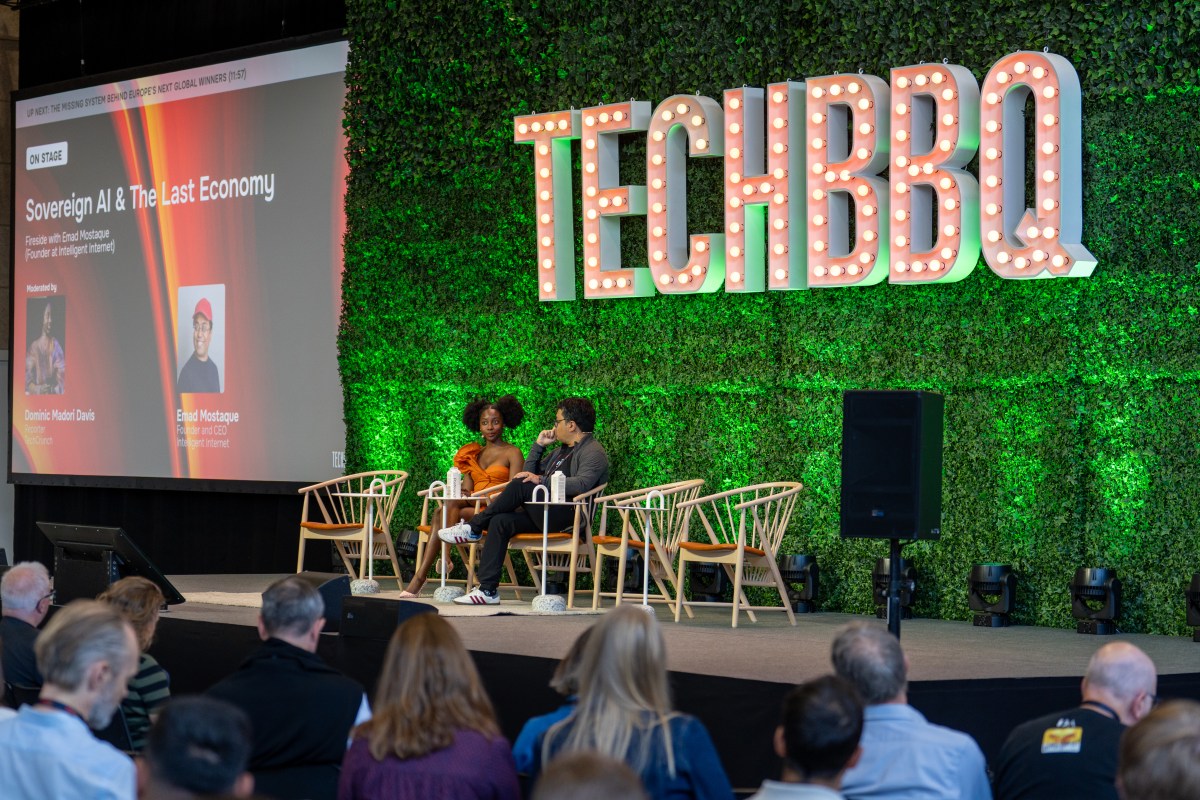
At a European technology conference, founders and investors kept returning to one question: who is actually in control of AI? The discussion was not only about smarter models. It was about who controls the data, infrastructure, access, and decisions made by automated systems. That question is equally useful for you as a Malaysian SME owner.
TL;DR
AI can save your team time, but you should not hand over important business decisions without clear boundaries. Check what data enters each tool, who can access it, and what happens if the service changes or stops working.
Keep human approval for sensitive decisions, maintain a backup process, and choose AI tools based on control and reliability—not only impressive demonstrations.
What This Means: Control Is More Than Owning the Software
When people talk about AI control or sovereignty, they often mean the ability to decide how technology is used without becoming completely dependent on another organisation. You may not build your own AI model, but you can still control how your business uses one.
There are several layers of control to consider:
- Data control: You know what information is submitted, where it is stored, and how it may be processed.
- Access control: You decide which employees can use the tool and what they are allowed to do.
- Workflow control: Your operations can continue if the AI tool is unavailable.
- Decision control: A person remains responsible for important approvals and customer outcomes.
- Supplier control: You understand the provider’s terms, service limits, export options, and support arrangements.
The TechCrunch report described European technology leaders reacting after AI models became unavailable to users outside Europe. The incident made some companies reconsider whether they were truly using a service or simply renting access to an important capability. The article also quoted technology leaders who warned that AI systems can concentrate power in the hands of a small number of providers. Read the original TechCrunch report.
“The age of AI agents isn’t really a story about machines gaining agency. It’s a story about humans deciding what to give up.”
For your business, “giving up” may mean allowing an automated assistant to send messages without checking them, allowing a system to update customer records, or letting a third-party application become the only place where your business knowledge exists.
How This Applies to Malaysian SMEs
First, consider customer service. A Malaysian online seller, clinic, tuition centre, repair business, or professional services firm may use AI to answer WhatsApp enquiries, website questions, or social media comments. This can help your team respond consistently, especially outside office hours. However, the assistant should not be allowed to make promises it cannot keep, confirm refunds without approval, or provide advice beyond your business rules. You should define which questions it may answer independently and which ones must be sent to a staff member.
Language creates another practical issue. Your customers may communicate in Bahasa Malaysia, English, Mandarin, Tamil, Malay-English mixtures, or informal shorthand. An AI assistant can produce a polished answer that sounds unnatural or misunderstands local context. For example, “boleh tahan dulu?” may require a different response depending on whether the customer is asking about stock, a booking, or a payment arrangement. You need a review process and example replies based on your actual customer conversations—not generic scripts copied from another market.
Second, think about internal documents. Your team may upload quotations, supplier terms, staff schedules, sales reports, or customer complaints to an AI tool for summarising. Before doing so, remove information that is not necessary for the task. A document summary usually does not require full identity card numbers, personal addresses, bank details, or complete medical information. Create a simple rule: if a staff member would not casually share the document with an outside party, it should not be placed into an AI tool without checking the provider and the purpose.
Third, protect operational continuity. Suppose your AI platform is temporarily unavailable, changes its response limits, or removes the function your team depends on. Can your sales, support, and administration staff still work? For a small business, the answer should be yes. Keep your customer FAQ, pricing rules, approval steps, and standard operating procedures in a separate document or business system. AI should help staff follow the process, not become the only location where the process exists.
Fourth, be careful with automated decisions. An AI tool may help sort leads, identify late invoices, screen applications, or prioritise support requests. These uses can be helpful, but they can also create unfair outcomes when the data is incomplete or the rules are unclear. A Malaysian SME should keep a named person responsible for decisions involving employment, credit, sensitive customer matters, safety, or complaints. Ask the system to explain the factors it used, then have a human review the result.
Finally, consider local accountability. If a customer asks why a message was sent, a claim was rejected, or an appointment was prioritised, you need to investigate. “The AI decided” is not a sufficient business process. You should be able to identify the tool, the instruction given, the information used, and the staff member who approved the outcome.
A Simple Control Check for Your Business
| Area | Question to ask | Practical control |
|---|---|---|
| Data | What information enters the AI tool? | Remove unnecessary personal and confidential details. |
| People | Who can use or change the AI workflow? | Limit access by role and review permissions regularly. |
| Decisions | Can the AI approve, reject, or promise anything? | Require human approval for sensitive outcomes. |
| Continuity | What happens if the service is unavailable? | Keep a manual process and export important information. |
| Quality | How do you know the output is accurate? | Use approved examples, checklists, and regular sampling. |
Practical Takeaways
- List every AI-enabled tool your business currently uses, including features inside larger software platforms.
- Mark each tool as low, medium, or high risk based on the type of information and decisions involved.
- Write a one-page AI usage policy in plain language for your team.
- Ban the entry of unnecessary identity, health, banking, password, and confidential contract information.
- Set clear approval points before AI sends messages, changes records, or makes recommendations about people.
- Keep standard operating procedures outside the AI tool so your team can continue working during an outage.
- Review AI-generated customer messages for tone, accuracy, and Malaysian language context.
- Record important automated actions so you can answer customer or staff questions later.
- Ask providers how data is handled, how access is protected, and whether your information can be exported.
- Train staff with real examples from your business rather than relying on technical explanations.
The Bigger Picture
The long-term issue is not whether AI will become more capable. It is whether businesses will use it deliberately or allow software providers to define their processes by default. As AI agents become more connected to email, customer relationship systems, accounting platforms, messaging channels, and scheduling tools, the consequences of weak controls will become more serious.
This does not mean you should avoid AI. It means you should decide what authority the system has before switching on automation. Start with repetitive, low-risk tasks where the result is easy to check. Then expand only when your team understands the data flow, approval steps, and fallback process.
The European discussion highlighted a wider concern: dependence on a small number of AI providers can affect who has practical control over business operations. For Malaysian SMEs, control does not require building a local AI model. It means keeping ownership of your customer relationships, business knowledge, rules, and final decisions.
Your best position is to use AI as a capable assistant while keeping your business in charge. Choose tools that fit your workflow, document how they are used, and make sure a person can intervene. That approach gives you the benefits of automation without allowing a third-party system to quietly become your boss.
Ready to Streamline Your Operations?
Your business should run itself. AutoRunBiz deploys AI agents to automate your daily operations — WhatsApp orders, invoicing, customer follow-ups, and accounting. Book a free 15-min ops audit to see where automation fits your business →