
Why Hyundai’s Next Electric SUV Matters to Your Business
Hyundai is preparing a new electric D-segment SUV positioned above the IONIQ 5, combining a larger vehicle format with software, artificial intelligence and advanced driver-assistance features. For Malaysian SME owners, this is more than another vehicle launch. It signals how company cars, sales fleets, delivery operations and mobile service teams may change over the next few years.
The vehicle has not yet received a public name, detailed specifications or a confirmed Malaysian launch date. However, Hyundai has shown that it intends to build vehicles as connected technology platforms rather than as standalone machines. Its plans include new electric vehicles, hybrid vehicles, extended-range electric vehicles, software-defined vehicles and AI-enabled systems. That direction deserves attention if you manage a business with staff travelling between customers, suppliers, branches or project locations.
What Happened
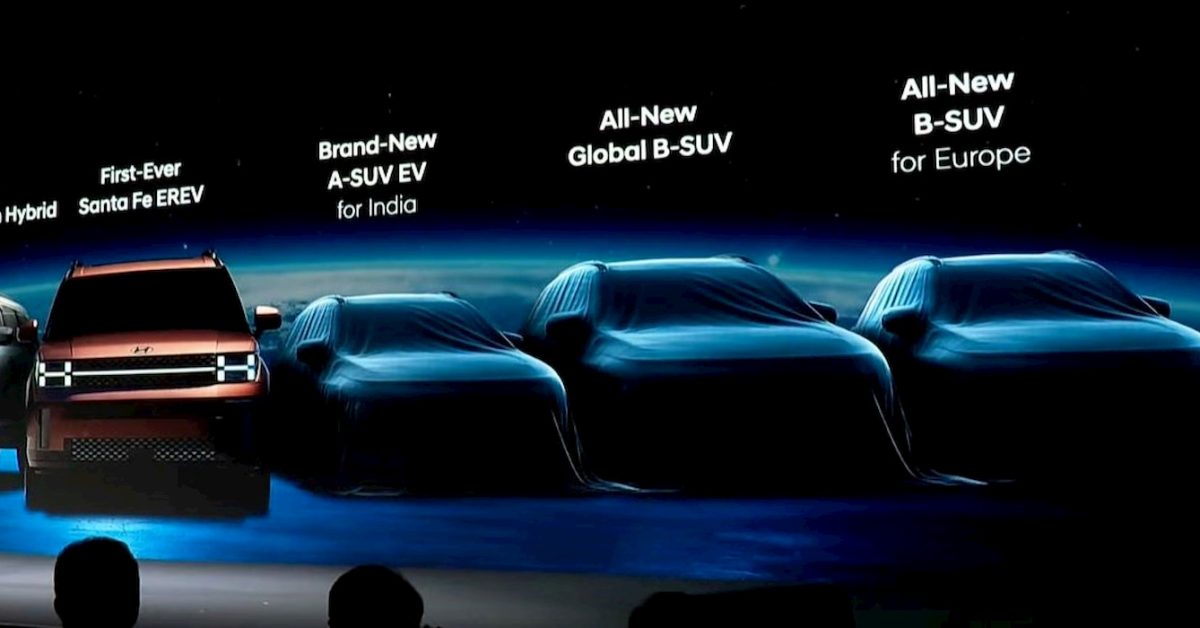
At its 2026 CEO Investor Day, Hyundai revealed plans for a new global D-segment electric SUV that will sit between the IONIQ 5 and Santa Fe in its line-up. The covered vehicle appeared during a presentation about Hyundai’s future products and China strategy, but the company did not disclose its final design, battery capacity, driving range, launch market or specifications. Source: Electrek
Hyundai plans to launch 100 new or refreshed vehicles globally between now and 2030. The company expects electrified vehicles, including hybrids, fully electric vehicles and extended-range electric vehicles, to represent 60% of its global vehicle mix by 2030, compared with 23% in 2025. Hyundai also aims to increase global annual vehicle sales from 4.1 million in 2025 to 5.5 million by 2030. Source: Electrek
The new SUV is expected to use a full-stack software-defined vehicle platform. Hyundai says its first mass-produced software-defined vehicle is planned to receive Level 2 advanced driver-assistance capabilities in 2028 through a partnership with NVIDIA. Hyundai’s Atria AI is also expected to collect road data in Korea by the end of 2026 to support future Level 2 to Level 4 autonomous-driving development. Source: Electrek
Hyundai is also introducing Pleos Connect, an infotainment platform based on Android Automotive OS. The system is designed to provide app-style functionality, customisable screens and an in-car AI companion called Gleo AI. The IONIQ 3 is identified as the first European Hyundai vehicle to use the system. Source: Electrek
Why This Matters for Malaysian SMEs
For your business, the key issue is not whether the next Hyundai SUV looks attractive. The bigger question is whether vehicles will become part of your digital operating system. A connected company vehicle could help you organise staff movement, service appointments, customer visits, asset tracking and maintenance records from one workflow.
Consider a Malaysian air-conditioning contractor serving customers across Klang Valley. A service team may visit several locations each day, carry tools and spare parts, send arrival updates and record job completion details. A connected vehicle could eventually support route planning, driver alerts, vehicle-health monitoring and hands-free communication. When combined with your business automation platform, this information could trigger a job-status update, notify the customer of arrival and create a maintenance reminder without requiring office staff to re-enter the same information.
A wholesale distributor in Penang, Johor or Sabah could use similar processes for sales representatives visiting retailers. Instead of treating the vehicle as a separate asset, you could connect trip records with customer accounts, visit schedules and inventory requirements. The important preparation is not buying a particular model. It is ensuring your customer, job and fleet data are structured well enough to work with future connected-vehicle systems.
There are also practical considerations for Malaysian conditions. Your team may operate in heavy traffic, drive long distances between towns, encounter sudden rain and use vehicles for mixed business and personal purposes. Driver-assistance features can support safer driving, but they do not replace trained drivers or proper supervision. You will need clear policies covering who may use company vehicles, what data may be collected and how incidents are reviewed.
Business use cases to prepare for
| SME activity | Potential connected-vehicle benefit | What you can prepare now |
|---|---|---|
| Customer visits | Better scheduling and arrival notifications | Maintain accurate customer addresses and appointment times |
| Field service | Job updates linked to vehicle and staff activity | Use digital job cards and standard completion statuses |
| Sales routes | Improved territory planning and visit records | Track prospects, outlets and follow-up dates centrally |
| Fleet maintenance | Earlier alerts for servicing and vehicle faults | Record mileage, inspections and service history digitally |
| Staff safety | Driver alerts and clearer incident procedures | Create driver policies and escalation workflows |
What You Should Do Before Buying a Connected Fleet
First, map the journeys your employees make. Identify which trips are routine, which are urgent and which create the most administrative work. A simple spreadsheet can show how many customer visits are missed, delayed or entered incorrectly. This gives you a business benchmark before a vehicle upgrade or automation project.
Second, review your data quality. A connected vehicle cannot improve a process if customer addresses are incomplete, job statuses are inconsistent or staff schedules are kept in separate personal chats. Create one reliable record for customers, appointments, vehicles, drivers and service tasks.
Third, separate useful automation from unnecessary monitoring. You may want automatic arrival messages, service reminders and route visibility. You may not need every employee movement stored indefinitely. Set retention rules, limit access and explain the policy to your team. Malaysia’s Personal Data Protection Act 2010 is relevant when your business handles identifiable employee or customer information, so obtain appropriate professional advice for your circumstances. Source: Malaysia Personal Data Protection Commissioner
“The best time to prepare for connected vehicles is before your business depends on them. Start by fixing the workflow, then connect the vehicle to it.”
The Bigger Picture
Hyundai’s planned SUV reflects a wider shift in the automotive industry. Vehicles are increasingly being developed with software that can influence the driving experience, entertainment system, safety functions and maintenance process. Over time, updates may change vehicle capabilities after delivery, while AI systems may help interpret road conditions, driver behaviour and vehicle data.
For SMEs, this creates both an opportunity and a responsibility. A connected fleet could reduce repetitive administration and provide better visibility across mobile operations. However, it may also introduce new questions about cybersecurity, data ownership, software support and compatibility with your existing systems.
You do not need a large fleet to benefit from this trend. A plumbing company with two vans, a property agency with several viewing vehicles or a food supplier with a small delivery team can begin with basic digital records and automated reminders. When new electric and software-defined vehicles become more available in Malaysia, your business will be better prepared to connect them to real operational needs.
The most useful lesson from Hyundai’s announcement is not a specific vehicle specification. It is the direction of travel: business vehicles are becoming connected work tools. If you organise your customer data, schedules, maintenance records and staff policies today, you can adopt tomorrow’s vehicle technology with less disruption and more practical value.
Ready to Streamline Your Operations?
Technology moves fast. Your operations should keep up. AutoRunBiz builds AI systems that run your daily workflows — from WhatsApp order capture to accounting. Book a free 15-min ops audit →