
Why This EV Trend Matters to Your Business
If you run a Malaysian SME, you may see news about Hyundai’s upcoming electric SUV as something mainly relevant to car buyers. However, the more important story is not just the vehicle itself. Hyundai is preparing a wider shift towards electric vehicles, connected software, driver-assistance systems, and vehicles designed around digital services.
That shift can affect your business even if you do not plan to buy an electric SUV. Your company may operate delivery vehicles, send staff to customer sites, manage a sales fleet, or depend on transport partners. As vehicle technology changes, your operating processes, customer expectations, data practices, and staff skills may need to change as well.
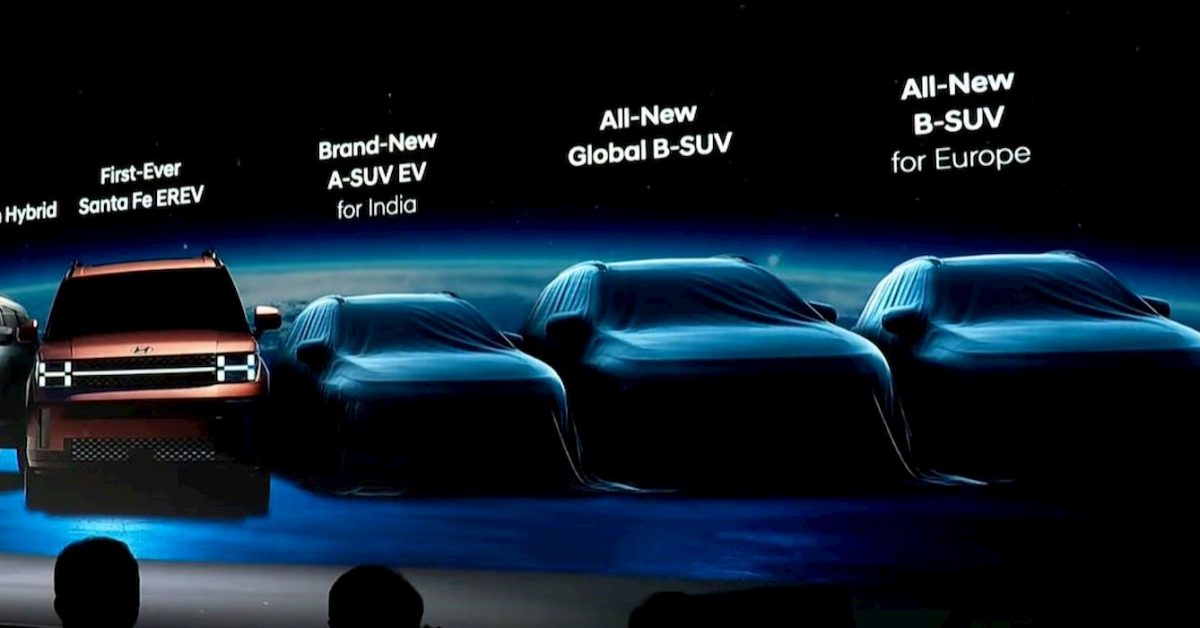
Hyundai has indicated that it plans to introduce 100 new or refreshed vehicles globally by 2030. The company also expects electrified vehicles, including hybrids, battery-electric vehicles, and extended-range electric vehicles, to represent 60% of its vehicle mix by 2030, compared with 23% in 2025.
TL;DR
Hyundai’s new electric SUV signals a wider move towards connected, software-led vehicles rather than a single new model.
For Malaysian SMEs, the practical response is to review fleet needs, charging arrangements, vehicle data, delivery workflows, and customer service processes before these changes become urgent.
What This Means
Hyundai is preparing a new electric SUV positioned above the IONIQ 5 and below the Santa Fe in its range. The company has described it as a global D-segment SUV, although detailed specifications and market availability have not yet been confirmed. The vehicle is expected to be part of Hyundai’s wider move towards software-defined vehicles, or SDVs.
A software-defined vehicle is a vehicle whose features and performance can increasingly be controlled, improved, or updated through software. Instead of treating a vehicle as a finished product once it leaves the factory, the manufacturer can continue improving the user experience through digital systems, connected services, and updates.
Hyundai has also discussed using artificial intelligence, advanced driver-assistance systems, and a new infotainment platform called Pleos Connect. The platform is based on Android Automotive OS and is intended to provide customisable screens, applications, and an in-car AI companion. Hyundai plans to apply Level 2 advanced driver assistance to its first mass-produced SDV model in 2028 through a partnership with NVIDIA, according to the source article.
These developments matter to business owners because company vehicles are no longer only transport equipment. They can become connected business assets that generate information about routes, usage, maintenance, driver behaviour, and customer visits.
The useful question is not “Should I buy this new SUV?” It is “How ready is my business for connected vehicles and changing mobility costs?”
How This Applies to Malaysian SMEs
1. Delivery and service businesses need better vehicle visibility. If your business delivers food, spare parts, building materials, office supplies, or medical products, vehicle location and job status directly affect customer communication. A connected vehicle can potentially provide more reliable information about journeys, charging or fuel needs, and maintenance schedules. You do not need to wait for a new EV to improve this process. Start by connecting your existing delivery workflow to a central system that records driver assignment, departure time, arrival time, delivery confirmation, and exceptions.
For example, a Klang Valley distributor may have several drivers serving customers in Shah Alam, Petaling Jaya, and Kuala Lumpur. If updates remain inside WhatsApp messages, your office team may spend time asking for progress reports. A simple digital workflow can collect delivery status through a mobile form and automatically notify the customer when an order is dispatched or delayed. The same information will be easier to integrate with future fleet and vehicle platforms.
2. Field-service companies should prepare for software-based maintenance. Air-conditioning contractors, security-system installers, pest-control companies, and equipment repair firms often depend on vans and tools being available every day. Electric and connected vehicles may provide more data about battery condition, vehicle faults, service intervals, and usage patterns. This creates an opportunity to plan maintenance before a breakdown disrupts appointments.
You can prepare by keeping a complete digital record for each vehicle: registration details, service dates, mileage, tyre replacement, insurance renewal, assigned driver, and repair history. Set automatic reminders and link vehicle availability to your job scheduling process. When connected vehicle data becomes more common, your business will already have a structured place to use it.
3. Retailers and hospitality businesses should monitor customer expectations. Customers who drive electric vehicles may increasingly expect convenient charging at hotels, restaurants, offices, shopping locations, and attractions. You may not need to install charging facilities immediately, but you should understand whether your location, customer profile, and operating hours make charging relevant.
A hotel in Penang, a café near Johor Bahru, or a small office building in Cyberjaya may receive questions about charging access even before most customers arrive in EVs. Your front desk or customer-service team should know where the nearest charging points are, how long charging may take, and whether your parking rules support charging visits. Clear information can reduce confusion and improve the customer experience.
4. Sales teams should treat vehicle data as business information. A connected vehicle may contain information about routes, locations, driver behaviour, customer visits, and usage patterns. If your company uses staff vehicles for sales or service calls, you should decide who may access such information and how long it should be retained.
Keep your approach practical. Define which information is necessary for operations, restrict access to authorised employees, and explain the process to your team. Review your privacy and data-handling practices with your technology provider, especially when information is stored in third-party platforms.
Useful Numbers to Watch
| Indicator | Figure | Why it matters to your SME |
|---|---|---|
| Hyundai global vehicle target by 2030 | 5.5 million vehicles | Shows the scale of the manufacturer’s expansion plan and future ecosystem. |
| Hyundai global vehicle sales in 2025 | 4.1 million vehicles | Provides the comparison point for the 2030 target. |
| Target electrified vehicle mix by 2030 | 60% | Suggests that fleet planning will increasingly include hybrids and EVs. |
| Electrified vehicle mix in 2025 | 23% | Shows the expected scale of change over the planning period. |
| Hyundai and Genesis global launches or refreshes by 2030 | 100 vehicles | Means business buyers may face a wider range of connected vehicle options. |
| Planned Level 2 ADAS application | 2028 | Signals that driver-assistance features will become more relevant to fleet policies. |
All figures and timing in the table are based on Hyundai’s plans reported by Electrek. Product launches, specifications, and availability in Malaysia may differ.
Practical Takeaways for Your Business
- Map your vehicle-dependent work: List every process that depends on a van, car, motorcycle, or external transport provider.
- Record fleet information centrally: Track service dates, mileage, insurance renewals, driver assignment, and downtime in one system.
- Measure daily usage: Note average distance, number of stops, idle periods, payload needs, and operating hours before reviewing EV suitability.
- Improve delivery updates: Use digital job statuses such as assigned, collected, in transit, delivered, delayed, and cancelled.
- Plan charging questions: Identify where vehicles park overnight and during working hours, and check whether routes support charging breaks.
- Set driver policies: Explain safe use of driver-assistance features and make clear that these systems do not remove driver responsibility.
- Protect vehicle data: Decide who can view location, route, and usage information, and review your vendor’s data practices.
- Prepare customer-facing staff: Train your team to answer basic questions about EV charging, delivery timing, and connected services.
- Start with one workflow: Automate vehicle service reminders or delivery confirmation first, then expand after your team is comfortable.
What You Should Not Assume
Do not assume that every electric vehicle will suit your operations. A vehicle’s useful range depends on load, traffic, weather, driving style, and charging access. A new SUV may be appropriate for management travel or customer-facing use but unsuitable for heavy equipment transport. Likewise, driver-assistance systems may improve convenience without replacing proper training, supervision, and safety procedures.
Do not assume that buying a connected vehicle automatically creates better business information. If your scheduling, customer records, and fleet data remain separated, your team may still struggle to act on the information. The business benefit comes from connecting vehicle activity to the processes you already manage.
The Bigger Picture
Hyundai’s planned electric SUV is one example of a wider industry direction: vehicles are becoming more connected, more software-dependent, and more closely tied to digital ecosystems. This may affect how businesses schedule work, manage drivers, communicate with customers, and maintain equipment.
For Malaysian SMEs, the best preparation is not to chase every new vehicle announcement. It is to build reliable operating information today. Know which routes your team uses, how much downtime affects you, when vehicles require maintenance, and where customer delays occur. Once those facts are organised, you can evaluate new vehicle technology based on your actual operations rather than marketing claims.
Whether your next fleet vehicle is electric, hybrid, or petrol-powered, a consistent digital workflow will help you manage it better. A connected vehicle is most useful when your business is ready to connect its information, people, and decisions around the work that matters.
Ready to Streamline Your Operations?
Your business should run itself. AutoRunBiz deploys AI agents to automate your daily operations — WhatsApp orders, invoicing, customer follow-ups, and accounting. Book a free 15-min ops audit to see where automation fits your business →