
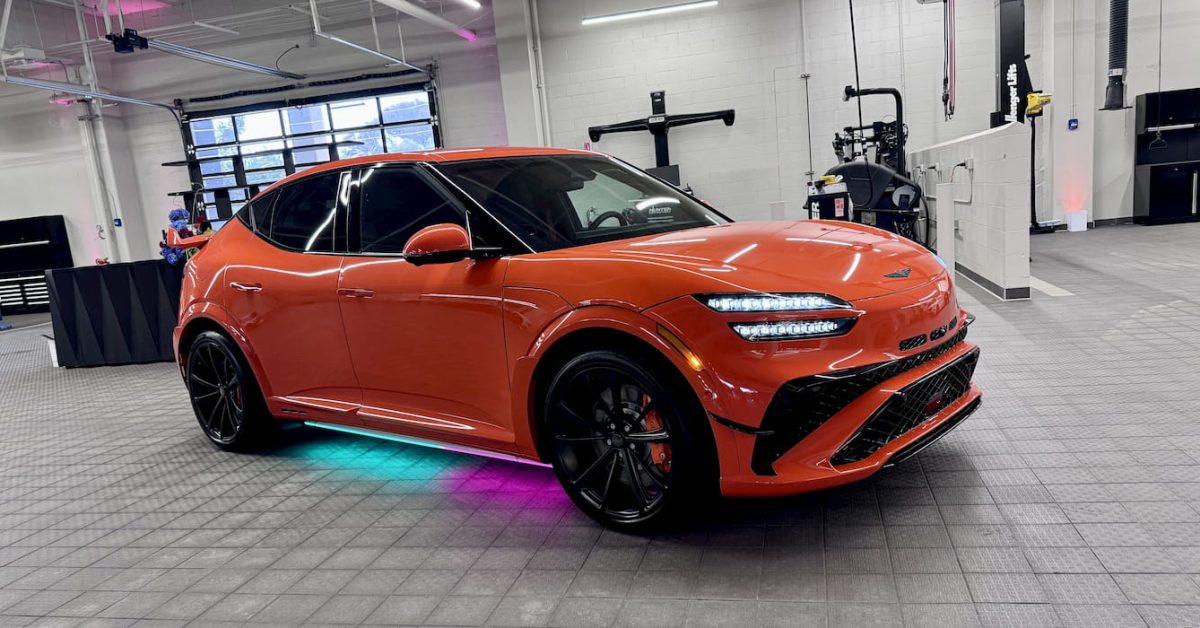
Hyundai’s Vehicle Blitz Is Also a Technology Story
Hyundai is preparing to launch more than 100 new or refreshed vehicles globally by 2030, covering electric vehicles, hybrids, extended-range electric vehicles and new premium models under Genesis. The announcement matters to you even if your business is not connected to automotive manufacturing. It shows how a large company is combining product expansion, software, artificial intelligence and regional production into one coordinated operating strategy.
For Malaysian SMEs, the important lesson is not simply that more electric cars are coming. The bigger lesson is that technology is moving from a specialist department into every part of a business: product design, quality control, customer experience, production planning and regional expansion. When a global manufacturer uses AI at its factory and introduces software into its vehicles, smaller businesses should consider where similar tools can improve daily operations.
What Happened
At its 2026 CEO Investor Day, Hyundai announced plans to introduce more than 100 new or updated vehicles by 2030. The company expects launches across several markets, including 58 models in North America, 49 in Korea, 41 in Europe, 26 in India and 22 in China, according to Electrek’s report.
The programme includes Hyundai, Genesis and new powertrain technologies. Hyundai plans to introduce its first extended-range electric vehicle, or EREV, with the Santa Fe EREV expected in the first half of 2027. The vehicle is designed to use an electric drivetrain while a small petrol engine generates electricity when the battery requires additional charge. Hyundai says the model could deliver more than 600 miles of combined driving range, as reported by Electrek.
Hyundai also outlined battery, software and manufacturing developments. The company said its new high-performance battery cells could deliver more than twice the output of its previous high-nickel cells and reduce charging time by 40%. It also plans to use mid-nickel NCM cells in new EVs, with Hyundai stating that these could reduce battery costs by about 30%, according to Electrek’s coverage of the investor presentation.
The company’s Ulsan EV plant in Korea is being developed as a software-defined factory. Hyundai says the facility uses 108 advanced manufacturing methods, including AI quality control and inspection. The company also plans to raise global production capacity to 1.27 million units by 2030, including facilities and production arrangements across North America, India, Korea and CKD operations, according to Electrek.
Why This Matters for Malaysian SMEs
Most Malaysian SMEs do not operate vehicle plants, but many face the same operational pressures Hyundai is addressing: changing customer expectations, more product variations, quality consistency and the need to serve different markets efficiently. A local automotive parts supplier, engineering workshop, logistics operator or fleet service company may soon need to handle more vehicle types, new components, electronic systems and digital documentation.
For example, a workshop that still records service history through paper forms may struggle when customers ask for battery health reports, software updates or detailed digital maintenance records. An SME that supplies components to larger manufacturers may also need stronger traceability, inspection records and production updates. A simple workflow system can capture job details, assign technicians, store photographs and automatically alert managers when an inspection is incomplete.
The same principle applies outside automotive businesses. A food manufacturer can use digital checklists to record hygiene inspections. A construction supplier can track delivery status and proof of receipt. A retail distributor can connect stock updates with customer orders. A professional services firm can use automated follow-ups to ensure every enquiry receives a response. These are smaller versions of the same operating model: data is recorded once, shared across the business and used to trigger the next action.
“The practical SME lesson is clear: do not wait for a major transformation project. Start by connecting one repeated process from customer request to completed work.”
Hyundai’s regional product strategy is also relevant to Malaysian companies that serve customers across Southeast Asia. The company is planning different models for different markets, including vehicles for Europe, India and China. You may not launch dozens of products, but you still need to adapt your services, languages, delivery processes and regulatory documents for different customer groups.
| Hyundai development | Practical SME lesson |
|---|---|
| More than 100 new or refreshed vehicles by 2030 | Create a structured product and service catalogue so updates do not depend on spreadsheets or memory. |
| AI quality control at the Ulsan EV plant | Use digital inspection forms, photo evidence and exception alerts to improve consistency. |
| Electric, hybrid and EREV options | Prepare staff and systems for multiple workflows instead of assuming one process fits every customer. |
| Next-generation infotainment and software | Treat customer-facing software and digital support as part of the product experience. |
| Production across several regions | Centralise business information while allowing local teams to follow market-specific requirements. |
The Bigger Picture
Hyundai’s announcement highlights a shift from selling a fixed physical product to managing a connected product lifecycle. Vehicles increasingly include software, sensors, remote updates and digital services. That means quality does not end when the product leaves the factory. It continues through delivery, maintenance, updates and customer support.
This is a useful model for Malaysian SMEs. Your customer relationship should not end after an invoice is issued. A quotation can lead to an order, an order can lead to delivery, delivery can lead to installation, and installation can lead to support or repeat business. Automation helps you connect these stages so your team can see what has happened and what must happen next.
Hyundai’s use of AI inspection also demonstrates an important distinction. AI is most useful when it supports a clearly defined process. If your team has no consistent inspection checklist, adding an AI tool may create more confusion. Start with a repeatable workflow, define the information required, then add automation for reminders, document checks, customer replies or management reporting.
For a business with one to 50 employees, practical applications may include:
- Automatically converting website or WhatsApp enquiries into assigned sales tasks.
- Sending quotation reminders when a prospect has not replied.
- Generating service reports from technician notes and uploaded photographs.
- Alerting managers when stock falls below a defined level.
- Checking whether required documents are complete before delivery.
- Creating weekly dashboards showing pending jobs, response times and repeat enquiries.
What You Can Do Now
First, choose one process that happens frequently and causes delays. Common examples include quotation follow-up, appointment scheduling, stock requests, service reporting and invoice reminders. Write down each step, who owns it and where information is currently stored.
Second, identify the decision points. Does someone need to approve a quotation? Must a manager check a delivery? Is a customer contacted after a job is completed? These points are suitable for automated notifications and task assignments.
Third, keep your information organised. Customer names, product details, job status and documents should be stored in a shared system rather than scattered across personal chats and separate files. Automation works best when the underlying information is accessible and consistent.
Finally, measure operational improvements using simple indicators such as response time, overdue tasks, completed inspections and repeat enquiries. The objective is not to copy Hyundai’s scale. It is to build a business that can handle more variation without creating more manual work for you and your staff.
Hyundai’s planned vehicle expansion is a global automotive story, but its operational message applies much more broadly. Companies that combine physical products with software, automation and reliable data will be better prepared for changing markets. For Malaysian SMEs, the right starting point is one process, one clear owner and one measurable improvement.
Ready to Streamline Your Operations?
Technology moves fast. Your operations should keep up. AutoRunBiz builds AI systems that run your daily workflows — from WhatsApp order capture to accounting. Book a free 15-min ops audit →