
Why uncertainty should change how you run your business
Running a Malaysian SME is already demanding. You are managing customers, staff, suppliers, compliance requirements and cash flow while trying to decide what deserves your attention next. When political developments, public policy and major investment decisions may change, long-term planning becomes even harder.
You may not work directly with government agencies or government-linked companies, but policy still affects your business. A new rule can change how you sell online. A public infrastructure project can create demand for your services. A change in leadership can alter approval timelines, procurement priorities or industry requirements.
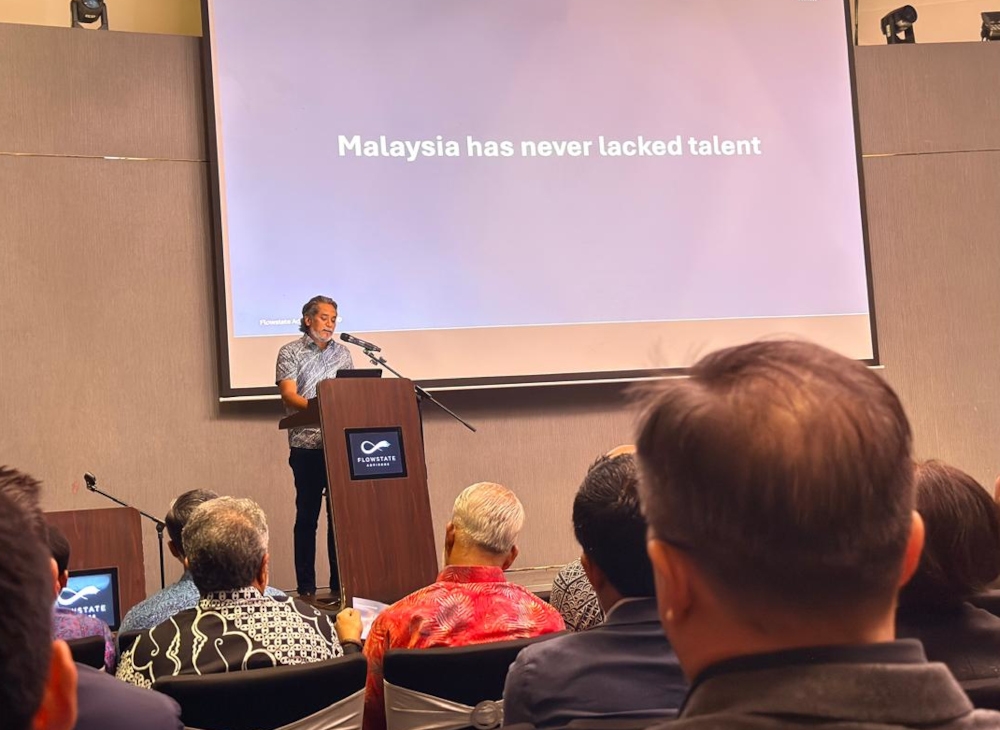
The launch of Flowstate Advisors, a boutique advisory firm focused on political transitions, strategic capital deployment and major business decisions, highlights a wider business issue: companies need a practical way to prepare for uncertainty instead of reacting after it arrives. The firm was launched ahead of Malaysia’s 16th general election, which the report says is expected within the next 18 months. Source: Malay Mail
TL;DR
Political uncertainty does not mean you should stop making decisions. It means you should make decisions that can survive more than one possible outcome.
For your SME, that means tracking policy exposure, protecting business continuity, documenting operations and using simple scenario plans before committing to major changes.
What This Means
Flowstate’s launch is based on a straightforward concept: when political or economic conditions may change, organisations need advice on how to assess risk before deploying capital or changing direction. The firm’s stated areas include public-sector advisory, deal advisory, strategy and transformation, and value creation and implementation. Source: Malay Mail
In plain language, this means asking better questions before making an important commitment. If you are planning a new branch, hiring a larger team, purchasing equipment, entering a government-linked supply chain or signing a long contract, you should consider what happens if regulations, priorities or approval processes change.
This is not about predicting election results. It is about building flexibility. A strong plan should identify what must remain stable, what can be delayed, what can be changed quickly and what warning signs you need to monitor.
The goal is not to predict every political outcome. The goal is to ensure your business can continue operating under several reasonable scenarios.
How This Applies to Malaysian SMEs
1. Review your exposure to government-related decisions. If your customers depend on public projects, licences, grants, subsidies, permits or government-linked procurement, policy changes may affect your sales pipeline. This applies to contractors, training providers, logistics operators, technology vendors, manufacturers and professional service firms. Create a list of the approvals and public-sector decisions that influence your business. Record the responsible agency, renewal date, expected processing time and documents required.
Do not keep this information only in one person’s WhatsApp messages or email inbox. Put it in a shared digital system with reminders. If the staff member handling a licence leaves, another person should be able to see the status immediately. This is a small operational improvement, but it reduces the risk of missed renewals and delayed responses.
2. Avoid depending on one major customer or project. A business that relies heavily on one government contract, developer, platform or large corporate buyer may look healthy until that customer postpones a project. Political transitions can influence the timing and direction of large investments, while broader economic conditions can affect private-sector decisions. Source: Malay Mail
Review your sales records and group customers by industry, location and customer type. Then ask whether your next twelve months depend too much on one category. For example, a construction supplier may serve developers, local authorities and private homeowners. A software provider may serve retailers, clinics and professional firms. Diversification does not require chasing every opportunity; it means reducing the chance that one external decision disrupts your entire business.
3. Make your operations transferable. A lean, partner-led model is one feature reported about Flowstate’s structure: dedicated teams are assembled for individual mandates rather than maintaining a large permanent workforce. Source: Malay Mail While your SME may not use the same model, the principle is useful. You should know which activities require permanent employees and which can be handled by trusted specialists, suppliers or temporary project teams.
Document your essential processes, including sales follow-up, quotations, purchasing, invoicing, customer support and staff scheduling. Use workflow automation for repeatable tasks so work does not stop when one employee is absent. A simple approval flow can ensure that quotations are reviewed, purchase requests are recorded and overdue customer follow-ups are visible to the right person.
4. Separate reversible and difficult decisions. Some choices are easy to change. You can adjust an online campaign, revise a staff schedule or test a new product bundle. Other decisions are difficult to reverse, such as signing a long lease, buying specialised machinery or accepting a contract with strict delivery obligations.
Before making an irreversible decision, prepare at least three scenarios: stable conditions, slower demand and a major disruption. For each scenario, list the effect on staffing, suppliers, delivery commitments and customer service. This exercise can reveal simple safeguards, such as shorter supplier commitments, backup vendors or staged expansion.
A simple uncertainty dashboard
You do not need a large research department to monitor risk. A monthly dashboard can give you an early view of changes that may affect your business.
| Area to monitor | What to record | Action trigger |
|---|---|---|
| Regulation | New rules, licence updates and agency notices | Assign an owner and review affected processes |
| Customer demand | Enquiries, repeat orders and postponed projects | Adjust sales priorities and stock planning |
| Suppliers | Lead times, quality issues and dependency on one vendor | Qualify an alternative supplier |
| People | Critical roles, leave coverage and process knowledge | Document tasks and cross-train another employee |
| Technology | System access, data backups and workflow failures | Test recovery steps and update permissions |
The table is a management tool, not a prediction tool. Review it at least once each month and whenever a major policy announcement affects your sector. Keep each entry specific: name the issue, identify the owner and write the next action.
Practical Takeaways
- List the government approvals, licences, policies and public projects that can affect your business.
- Store renewal dates, documents and responsible staff in one shared system.
- Identify your top customer and supplier dependencies.
- Create a backup plan for every critical supplier, process and employee role.
- Prepare stable, slower-demand and disruption scenarios for major decisions.
- Use automated reminders for renewals, follow-ups, approvals and overdue tasks.
- Review contracts for clauses affected by delays, policy changes or scope changes.
- Hold a short monthly management review focused on external risks and internal readiness.
- Keep customer and operational data organised so you can make decisions from current information.
The Bigger Picture
The longer-term lesson is that business resilience is becoming an operating discipline, not a document prepared only when trouble appears. The report describes advisory demand arising from global geopolitical and economic turbulence, domestic political developments and expected electoral uncertainty. Source: Malay Mail
For Malaysian SMEs, resilience does not require a complicated strategy team. It starts with reliable information, clear responsibilities and processes that do not depend on one person’s memory. When your sales pipeline, licences, supplier status and customer commitments are visible, you can respond faster to changes.
A boutique firm may position its small size as a strength because partners stay directly involved and accountable for each engagement, according to the report. Source: Malay Mail You can apply a similar idea inside your company: keep ownership clear, avoid unnecessary layers and make sure every important task has a named person responsible for the next step.
You cannot control when policies change, when an election is called or when a major customer pauses a project. You can control how quickly your business notices the change, how clearly your team responds and how much of your operation can continue without disruption. Start with one dashboard, one process review and one scenario plan this month. Those practical steps can give you a stronger foundation for whatever comes next.
Ready to Streamline Your Operations?
Your business should run itself. AutoRunBiz deploys AI agents to automate your daily operations — WhatsApp orders, invoicing, customer follow-ups, and accounting. Book a free 15-min ops audit to see where automation fits your business →