
Small Details Can Make Customers Choose You
Running a small business in Malaysia often means competing with larger, better-known companies. You may not have a huge outlet, a large team, or an extensive product range. Yet customers can still choose you when the experience feels more thoughtful, focused and reliable.
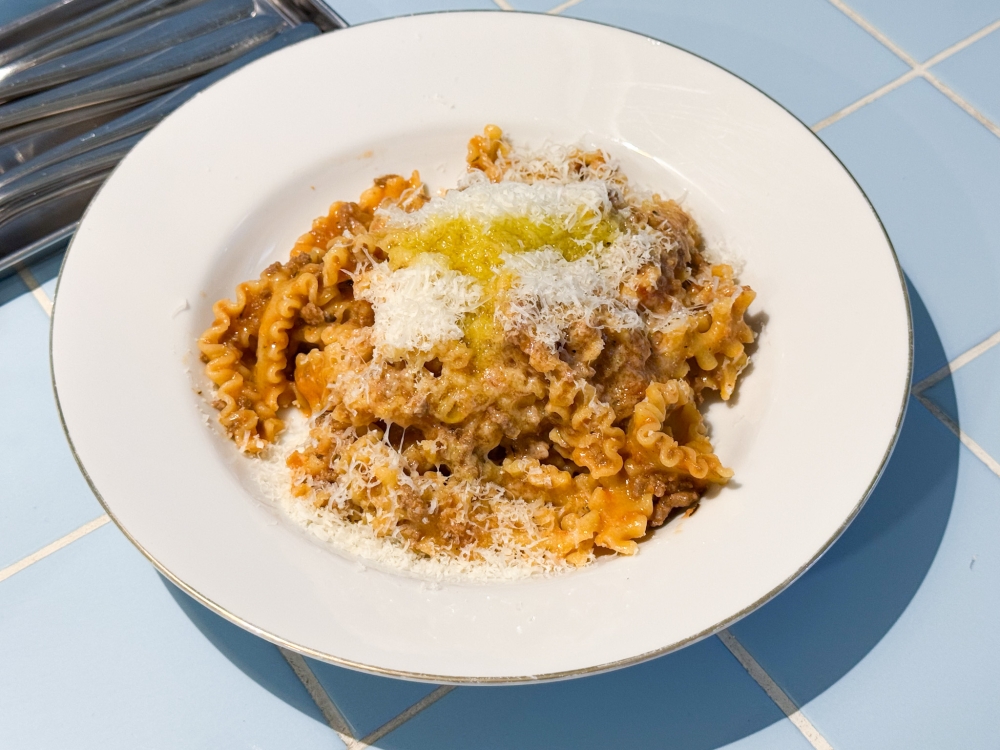
A useful example comes from Francobolli, a compact fresh-pasta business at Wisma Cosway in Kuala Lumpur. The restaurant keeps its menu focused, prepares pasta in an open kitchen and pairs different pasta shapes with sauces that suit them. Its appeal is not based on offering everything. It comes from doing a smaller number of things carefully.
That principle applies far beyond food. Whether you operate a salon, clinic, repair shop, tuition centre, online store or professional service firm, your customers notice how well your process fits their needs. A smooth quotation, a clear booking flow or a well-timed follow-up can matter just as much as the core product.
TL;DR
Francobolli’s lesson for your SME: focus your offer, match each product to the right customer need and make your process visible and consistent.
You do not need a large menu or complicated system. You need a reliable experience that helps customers understand what you offer and makes it easy to return.
What This Means
According to the source article, Francobolli produces fresh pasta using Italian flour and eggs, with pasta prepared in an open kitchen. The business offers only four or five pasta dishes, each using a different shape. The review highlights how the frilled mafalde holds ragu effectively, while rigatoni works with the cheese sauce and pappardelle suits the carbonara. Source: Malay Mail
In plain language, the restaurant is designing the whole experience instead of treating each item as a separate product. The pasta shape, sauce, cooking timing, finishing ingredients and serving format work together. Customers receive something that feels intentional rather than random.
For your business, this means reviewing the journey around your product. A good service can still feel difficult if customers must repeat information, wait without updates or guess what happens next. A well-designed experience removes unnecessary decisions and gives your team a repeatable way to deliver quality.
The practical lesson is simple: a focused offer becomes more valuable when every part of the customer experience supports it.
How This Applies to Malaysian SMEs
1. Focus your menu, package or service list. Many SMEs try to serve every possible request. A café may carry too many dishes, a marketing agency may list every digital service and a contractor may accept work outside its strongest area. This can confuse customers and make it harder for your staff to maintain consistent quality. Start by identifying the services that generate the strongest results and organise them into a clear, manageable set of choices.
For example, a Klang Valley air-conditioning company could create three clearly defined service packages: routine servicing, urgent repair and office maintenance. A home baker could focus on celebration cakes, corporate gift boxes and weekend dessert boxes. The point is not to reject every custom request. It is to give customers an obvious starting point while keeping operations under control.
2. Match the solution to the customer’s situation. Francobolli’s dishes use different pasta shapes because each shape works differently with its sauce. You can apply the same thinking to your own offers. A new customer may need an introductory consultation, while a returning customer may need a faster fulfilment option. A small retailer may need WhatsApp ordering, while a larger business customer may need a formal quotation and delivery schedule.
Map your common customer types and list the most suitable option for each one. This helps your team recommend confidently instead of sending a long list of choices. It also makes your marketing clearer. Instead of saying “we do everything”, explain which problem each service is designed to solve.
3. Make your work visible and reassuring. Francobolli’s open kitchen shows customers that the pasta is being cooked and finished as part of the order. You may not have a physical production area, but you can still show progress. Send an acknowledgement when an enquiry arrives, confirm the person responsible, provide a delivery or completion window and update the customer when the work moves forward.
This is especially useful for Malaysian SMEs handling bookings, repairs, quotations and custom orders. A simple automated message can confirm that a request was received. A staff checklist can show whether the job is awaiting information, scheduled, in progress or completed. Customers are more patient when they know what is happening.
4. Design for the reality of your customer’s day. The review notes that weekday lunch is busy for office workers, while Saturday offers a more relaxed experience. Source: Malay Mail Your customers also have timing constraints. Parents may reply after school hours, office workers may respond during lunch and business owners may only review quotations late at night.
Use this insight to improve appointment slots, reminders and response expectations. If your team cannot reply immediately, state when the customer should expect an answer. If you serve walk-in customers during peak periods, offer a booking or queue process. Small adjustments to timing can prevent lost enquiries and reduce pressure on your staff.
Numbers Worth Tracking
The source article provides several operational details that can help you think about your own business design.
| Observed detail | Business lesson for your SME |
|---|---|
| Four or five pasta dishes | A focused offer can simplify decisions and staff training. Source |
| Five years supplying local Italian establishments | Specialist capability can be built before expanding into a customer-facing brand. Source |
| 11am to 3pm opening hours on selected days | Your schedule should reflect when your target customers are most likely to buy. Source |
| About 40 years of building history | A distinctive location or brand story can add character to a small business. Source |
Practical Takeaways
- List your top five customer requests from the past month.
- Group those requests into three to five clear services or product packages.
- Write one sentence explaining who each option is for.
- Identify which steps cause customers to repeat information.
- Create standard confirmation messages for enquiries, bookings and orders.
- Give customers a realistic response or completion window.
- Track which service produces repeat enquiries and referrals.
- Train staff to recommend the right option instead of presenting every option.
- Review your opening hours, appointment slots or response times against customer behaviour.
- Collect short feedback after delivery, not only when a complaint arrives.
Using Automation Without Losing the Human Touch
Automation can support this approach by handling repetitive coordination. For example, when someone submits a form, your system can record the enquiry, send an acknowledgement and alert the relevant staff member. Once the status changes, the customer can receive an update without your team rewriting the same message repeatedly.
You can also use automation to organise customer preferences. A salon could record preferred appointment times. A service centre could keep equipment details and previous job notes. A tuition centre could track attendance and send reminders. The goal is not to replace conversation. It is to ensure that your team has the right information before speaking with the customer.
Keep the messages natural and provide an easy way to contact a real person. A customer should never feel trapped in a series of generic replies. Use automation for speed and consistency, while your staff handle judgement, exceptions and relationship-building.
The Bigger Picture
Small businesses will continue to face customers who compare options quickly through search, social media and messaging apps. A broad claim such as “great service” is easy for competitors to copy. A clear, well-designed process is harder to imitate because it is built into how your team works every day.
Francobolli’s example shows that differentiation can come from disciplined choices: a limited range, careful matching and visible preparation. You can build the same advantage by deciding what you do best, who you serve most effectively and how customers move from enquiry to completion.
Start with one customer journey this week. Choose the process that creates the most repeated questions or follow-ups. Simplify the choices, document the steps and automate only the routine parts. Then ask customers whether the experience feels clearer. That small improvement can become the foundation for a stronger, more dependable SME operation.
Ready to Streamline Your Operations?
Your business should run itself. AutoRunBiz deploys AI agents to automate your daily operations — WhatsApp orders, invoicing, customer follow-ups, and accounting. Book a free 15-min ops audit to see where automation fits your business →