
Why Strata Property Costs Need Your Attention
If you run a Malaysian SME from a condominium office, retail lot, serviced apartment or mixed-use development, your business depends on more than the space inside your unit. Lifts, security, corridors, parking areas, air-conditioning systems, drainage, landscaping and fire-safety equipment all affect how smoothly you operate.
The problem is that these shared facilities can create unexpected disruption and administrative work. A low monthly maintenance charge may look attractive, but it does not always mean the building is being maintained sustainably. Major replacement work can eventually affect access, tenant satisfaction, insurance documentation and business continuity.
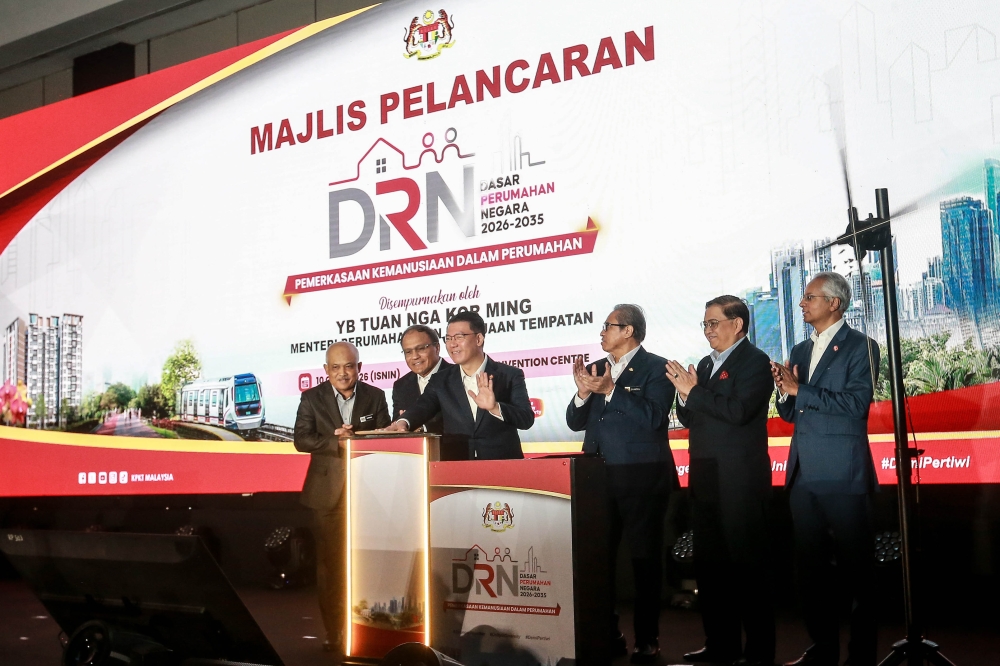
Malaysia’s National Housing Policy 2026-2035 proposes a clearer life-cycle approach for strata properties. The proposal includes showing estimated maintenance and replacement costs in sale and purchase agreements, strengthening Joint Management Bodies (JMBs) and Management Corporations (MCs), and encouraging more professional building management. Source: Malay Mail
TL;DR
For your SME, strata costs are not limited to the monthly maintenance bill. Future repairs, shared-facility replacement and building management quality can affect your operations.
Start tracking building notices, maintenance charges, sinking-fund updates, access disruptions and management responses in one organised system before these issues become urgent.
What This Means
A strata property is divided into individual units, while shared areas and facilities are managed collectively. Condominiums and apartments are common examples, but some landed developments also operate under strata arrangements. Owners therefore share responsibility for common property and usually contribute to maintenance charges and a sinking fund. Source: Malay Mail
The proposed policy takes a life-cycle costing approach. Instead of looking only at the original purchase or rental commitment, it considers the cost of operating, maintaining and eventually replacing important building components over their useful life.
For example, a building may require periodic lift upgrades, repainting, waterproofing, pump replacement, roof repairs or fire-system work. These projects may not appear in your regular monthly bill, but they can still affect your business through special contributions, temporary closures, restricted access or changes to service charges.
The proposal also suggests a performance-based assessment of strata management. That means a management body should not be judged only by whether fees are low. The more useful question is whether the spending is sufficient and sustainable for the building’s age, design, facilities and condition. Source: Malay Mail
How This Applies to Malaysian SMEs
1. Your premises may be part of your operational risk. If customers visit your office, clinic, studio, tuition centre, salon or retail outlet, common-area problems can affect your reputation. A broken lift, poor lighting, water leakage or blocked parking area may cause customers to arrive late or avoid the location. Even if the problem is outside your unit, customers may still associate it with your business.
Create a simple record for every building-related issue. Include the date, location, description, photographs, person notified, reference number and latest response. This gives you a clear history when following up with the building manager, JMB or MC. It also helps you explain recurring disruptions to staff and customers without relying on memory or scattered chat messages.
2. Your lease review should include building management information. If you are considering a strata office or commercial unit, ask more than the rent, floor area and renovation conditions. Request available information about maintenance charges, sinking-fund contributions, planned major works, access rules, loading hours, renovation approvals, insurance requirements and building management contacts.
You should also ask how notices are issued. Are updates sent by email, posted on a noticeboard, shared through a resident application or distributed through a messaging group? Important information can be missed when it is spread across several channels. A central record helps you identify deadlines for renovation permits, contractor registration, access-card renewal and scheduled shutdowns.
3. Shared-facility planning can affect your staff and systems. A planned water shutdown may interrupt cleaning, food preparation or customer service. Lift maintenance may affect deliveries. Electrical work may require you to shut down computers, point-of-sale devices, networking equipment or security systems. Fire-alarm testing may require coordination with employees and visitors.
Build a building-disruption procedure into your operations. Assign one person to monitor notices, another to inform affected teams, and a third to coordinate with the building manager when necessary. For customer-facing businesses, prepare a standard message explaining alternative access arrangements or temporary service changes.
4. Better records support stronger participation in management decisions. JMBs and MCs manage matters that can affect your premises, but owners and occupiers can only contribute effectively when they have organised information. Keep meeting notices, minutes, circulars, resolutions, maintenance statements and correspondence in a searchable folder.
If your SME owns the unit, these records can support decision-making during meetings. If you rent, share relevant notices with your landlord and clarify who is responsible for responding. Do not assume that a building issue will automatically be handled by someone else. Confirm the responsibility and keep a written trail.
Useful Strata Information to Track
| Area | What to record | Why it matters |
|---|---|---|
| Monthly charges | Billing date, amount, payment status and changes | Helps you identify unusual adjustments and prevent missed deadlines |
| Major works | Project description, timing, affected areas and notices | Supports staffing, delivery and customer-service planning |
| Shared facilities | Lift, access, parking, water, electricity and security issues | Shows repeated operational problems and follow-up history |
| Management contacts | Building manager, security desk, JMB or MC representatives | Speeds up escalation when a disruption affects your business |
The policy also refers to life-cycle costing tools and guidance, including the LCCsoft application developed by the Construction Industry Development Board and the JKR Life Cycle Costing manual. Source: Malay Mail While you may not need to use technical software yourself, the underlying idea is practical: ask what will need attention later, not only what looks acceptable today.
Practical Takeaways for Your SME
- Set up one strata-property register: Store charges, notices, contacts, meeting documents, incidents and major-works updates in one controlled location.
- Assign an owner: Make one employee responsible for checking building communications and escalating urgent matters.
- Review the sinking-fund position: If information is available, understand whether the building is planning for significant future works.
- Ask practical questions before committing to a unit: Check access rules, delivery arrangements, maintenance history, renovation requirements and upcoming projects.
- Link notices to your business calendar: Record shutdowns, inspections and access restrictions so they are visible during scheduling.
- Keep evidence of disruptions: Save photographs, emails, service tickets and affected dates.
- Prepare a continuity plan: Identify alternative delivery routes, remote-working options, customer notices and backup procedures.
- Clarify responsibilities: Confirm whether the owner, tenant, building manager, JMB or MC must handle each issue.
- Check accessibility: Consider whether the building supports senior visitors, employees with disabilities and customers with mobility needs.
The cheapest maintenance bill is not automatically the best outcome; the better measure is whether the building remains safe, usable and dependable over time.
The Bigger Picture
This policy direction could make property decisions more transparent over the long term. Buyers may receive more information about future maintenance and replacement obligations instead of focusing mainly on the purchase price and current recurring charges.
For SMEs, the wider lesson is that premises should be treated as part of business planning. Your location affects customer access, employee experience, deliveries, security, insurance administration and daily productivity. Building management is therefore not just a property matter; it is an operating issue.
Stronger professional management may also lead to clearer communication, better maintenance schedules and more consistent record-keeping. The proposed policy includes efforts to increase professional building and property managers and to strengthen training for officials involved in property, planning and housing management. Source: Malay Mail
You do not need to wait for every policy detail to be finalised before improving your own process. Start with visibility. Put all strata-related information in one place, assign responsibility, track recurring problems and connect building events to your operational calendar. When the next major notice arrives, you will be in a better position to respond quickly and make decisions based on records rather than guesswork.
For a growing Malaysian SME, that discipline can make the difference between a manageable building issue and a preventable interruption to the business.
Ready to Streamline Your Operations?
Your business should run itself. AutoRunBiz deploys AI agents to automate your daily operations — WhatsApp orders, invoicing, customer follow-ups, and accounting. Book a free 15-min ops audit to see where automation fits your business →