
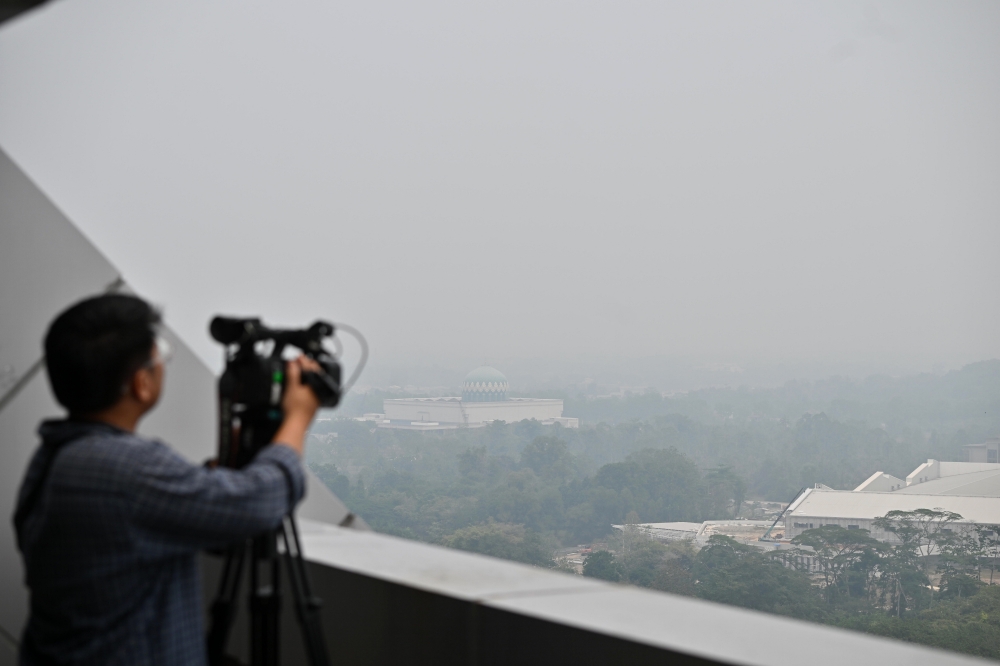
When Haze Starts Disrupting Your Working Day
You may notice it first as slower deliveries, more staff asking to work indoors, or customers postponing visits to your premises. Haze does not need to shut your business completely to cause disruption. Reduced outdoor activity, transport delays, employee health concerns and weaker foot traffic can affect your daily operations within hours.
The recent deterioration in air quality across Malaysia is a useful reminder that business continuity is not only about floods, power failures or system outages. Environmental conditions can also change how your people work, how customers reach you and how safely you can operate.
TL;DR: Track official API readings, prepare indoor alternatives and communicate clear work instructions before haze affects your team. A simple response plan can protect service quality, attendance and customer confidence.
On August 25, 2026, 30 monitoring stations nationwide recorded “unhealthy” Air Pollutant Index levels, according to the Malay Mail report citing the Department of Environment’s Air Pollutant Index Management System. The report stated that unhealthy API readings fall between 101 and 200, while vulnerable groups face higher health risks.
What This Means
API is a practical indicator of air pollution severity. You do not need technical expertise to use it. Think of it as a trigger for business decisions: when the reading rises, you review outdoor work, staff movement, customer-facing activities and delivery arrangements.
The reported highest reading was 180 at the Serian monitoring station in Sarawak. Sri Aman recorded 169, while Samarahan and Sarikei registered 157 and 152 respectively. In the Klang Valley, Shah Alam recorded 162, Putrajaya 156, and Batu Muda and Kuala Selangor 155 each, as reported by Malay Mail.
These numbers do not automatically mean every business must close. They do mean you should assess exposure. A staff member travelling between sites, a technician working outdoors, a rider waiting at a roadside location, or a customer queuing outside may face more exposure than someone working inside a ventilated office.
| API range or reported reading | What it can mean for your business | Practical response |
|---|---|---|
| 101–200 | Unhealthy conditions reported by the Department of Environment classification | Reduce unnecessary outdoor work and monitor vulnerable employees |
| 151–180 | Several Malaysian locations reported readings within this range | Move meetings indoors, review delivery routes and notify customers of possible delays | 201 and above | Very unhealthy threshold referenced in the report | Escalate your response and follow current government and health guidance |
All API figures and classifications in the table are based on the Malay Mail article. Conditions can change between locations and across the day, so you should check the latest official readings rather than rely on yesterday’s information.
How This Applies to Malaysian SMEs
If you run a café, restaurant, retail outlet or workshop, haze may reduce walk-in traffic and make outdoor seating unsuitable. Your team can prepare by moving reservations and customer service indoors, updating operating information online and informing customers if waiting times change. If your outlet depends on open-air displays, roadside signage or outdoor queues, create an indoor fallback arrangement before the air quality worsens.
For construction, cleaning, landscaping, security, logistics and maintenance businesses, the main issue is staff exposure. You may need to rearrange schedules, group outdoor tasks into shorter periods, provide suitable protective equipment where appropriate and give supervisors authority to pause non-essential work. The report specifically advised the public to minimise outdoor exposure and noted higher risks for children, older people, pregnant women and people with cardiac or pulmonary conditions, as reported by Malay Mail.
If your business operates across branches, haze response should not depend on one manager making a quick decision. A branch in Shah Alam may face different conditions from one in Johor or Penang. Give each branch a simple process: check the local API reading, record the time, identify outdoor activities, review staff concerns and escalate if the reading rises or someone reports breathing difficulty. This keeps decisions consistent without forcing every location to follow the same operating hours.
For professional services and office-based SMEs, the operational impact may be less visible but still real. Employees may struggle with commuting, parents may need flexibility when children are advised to remain indoors, and client visits may be postponed. You can reduce disruption by offering remote meetings, sharing documents digitally and setting clear expectations about response times. This is especially useful when only part of your team is affected.
Delivery-based businesses should also prepare customer messages that are honest and specific. Instead of saying “delivery may be delayed” without context, state that outdoor conditions may affect rider availability or route timing, and provide a revised service window. A short, early update is usually easier for customers to accept than a late explanation after an order has missed its expected arrival time.
Good haze planning is not about predicting the exact next reading. It is about deciding what your team will do when conditions change.
Practical Takeaways for Your Business
- Choose one official source: Assign a person to check APIMS or current government announcements at the start of the working day and before major outdoor activities.
- Set internal triggers: Decide what happens when readings enter the unhealthy range, such as moving meetings indoors or postponing non-essential outdoor work.
- Map exposed roles: List employees who work outdoors, travel between sites, handle roadside collections or spend long periods in open areas.
- Prepare indoor alternatives: Identify tasks that can be completed inside, remotely or through digital processes when outdoor work is unsuitable.
- Keep customer communication ready: Draft short messages for delayed deliveries, postponed appointments, reduced outdoor seating and temporary service changes.
- Check vulnerable staff privately: Give employees a safe way to inform supervisors if they have respiratory or heart-related health concerns.
- Review ventilation and air circulation: Check that doors, windows, filters and indoor work areas are managed sensibly during smoky conditions.
- Record decisions: Keep a simple log of readings, changes to work arrangements and customer notices so managers can review what worked.
- Stop open burning: The report linked the haze to dry conditions, peat and forest fires, and domestic and cross-border open burning. Your business should strictly avoid any activity that creates unnecessary smoke.
A Simple Haze Response Checklist
- Before work begins: Check the latest local API reading and weather or government advisories.
- Assess exposure: Identify outdoor jobs, customer queues, travel requirements and staff with health concerns.
- Choose the response: Continue with precautions, modify the schedule, move work indoors or postpone non-essential activities.
- Tell everyone clearly: Share the decision through your usual staff communication channel and notify affected customers.
- Review during the day: Conditions can worsen or improve, so check again before afternoon outdoor work and deliveries.
- Document the outcome: Note delays, absences, customer feedback and operational problems for the next haze episode.
The Bigger Picture
For Malaysian SMEs, environmental disruption is becoming a planning issue rather than an occasional inconvenience. The article attributed the widespread haze to prolonged dry spells, below-average rainfall, El Niño conditions and open burning, according to information cited from the Ministry of Natural Resources and Environmental Sustainability by Malay Mail.
You cannot control regional weather or transboundary smoke, but you can control how quickly your business responds. Digital scheduling, remote meetings, customer notifications and shared operating checklists make it easier to adjust without relying on last-minute phone calls.
The most resilient SME is not necessarily the one with the largest premises or the biggest team. It is the one where people know who checks conditions, who approves changes, how customers are informed and which tasks can continue safely. A one-page haze procedure, reviewed before the dry season, can prevent confusion when air quality deteriorates.
Use this episode as a practical test. Ask your team what would happen if outdoor work became unsuitable tomorrow morning. If the answer depends on several urgent messages and individual judgement, your next step is clear: document the process, assign responsibility and create simple alternatives that your staff can follow.
Ready to Streamline Your Operations?
Your business should run itself. AutoRunBiz deploys AI agents to automate your daily operations — WhatsApp orders, invoicing, customer follow-ups, and accounting. Book a free 15-min ops audit to see where automation fits your business →