
Why a transport feature matters to your business
If you run a Malaysian SME, you may see a women-only ride option as a transport app feature that has little to do with your daily operations. But your customers, employees, and delivery partners do not experience your business in the same way. A service that feels convenient to one person may feel uncomfortable or unsafe to another.
That difference affects whether people book again, recommend you, accept a job, attend an event, or continue using your service after dark. The practical lesson is not that every SME needs to copy an e-hailing feature. It is that you should notice where customers need more control and create a clear, trusted way to provide it.
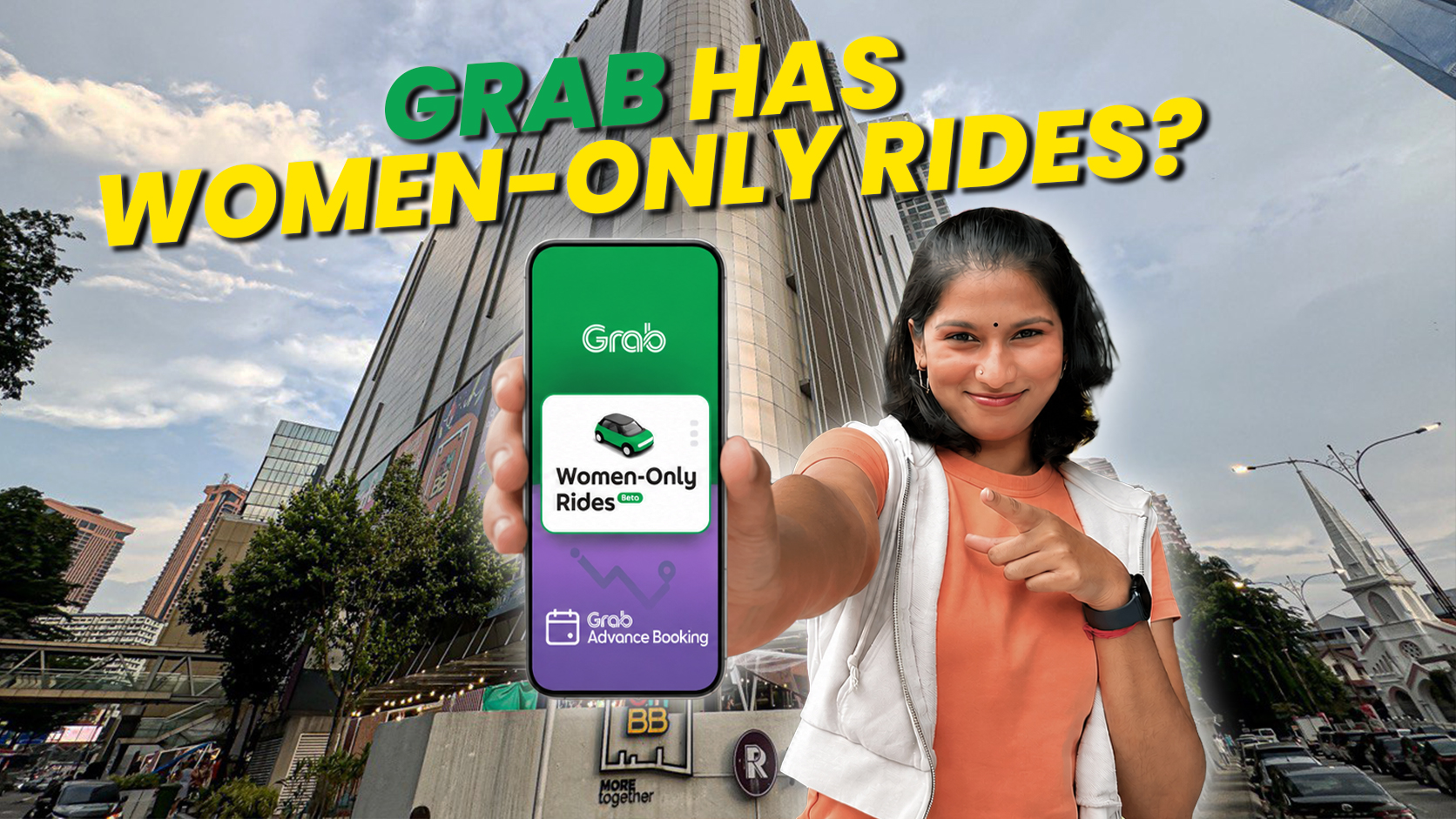
Grab’s Women Only Rides Beta is designed for female passengers travelling alone or in groups. Women travelling with boys aged 12 and below are also allowed, according to the source report. The feature includes verification, driver matching, and selected booking options.
TL;DR
A women-only service can show your SME how to design around real customer concerns instead of assuming one standard process suits everyone.
Start by identifying situations where people feel uncertain, then add clear eligibility rules, staff training, verification, and an easy way to request support.
What This Means
In plain language, a women-only ride option is a service preference that matches eligible female passengers with participating female driver-partners. The reported feature is available through the Grab app, where users select “Women Only Rides” during the booking process. It can reportedly be used for advance bookings and, in testing described by SoyaCincau, an immediate booking also worked.
There are several important details for business owners. A user must declare their gender in the Grab profile and complete a verification process involving identity document upload and a live selfie. Approval may take up to three business days, as reported by SoyaCincau. The report also notes different availability information between Grab’s website and mobile app, with Klang Valley, Johor, and Penang shown in the app while the website reportedly refers to Klang Valley.
| Reported feature detail | Why an SME should notice |
|---|---|
| Available for female passengers travelling alone or in groups | Services can be designed around a specific customer situation |
| Young boys aged 12 and below may travel with women | Clear inclusion rules reduce confusion at the point of use |
| Verification approval may take up to three business days | Customers need to know requirements and waiting time before they need help |
| Advance booking is described as requiring at least 75 minutes and up to 90 days ahead | Service promises must match actual operating instructions |
| Availability information differs between channels | Website, app, WhatsApp, and staff should show consistent information |
These details come from the published report. Availability, approval rules, and booking behaviour may change, so users should check the live app before relying on the service.
Key insight: A customer-friendly service is not only about adding a new option. It is about making the option understandable, dependable, and easy to request.
How This Applies to Malaysian SMEs
1. Retail and hospitality businesses can design safer customer journeys. If you operate a café, boutique, salon, tuition centre, homestay, or small hotel, think about the moments when a customer may feel vulnerable. It could be walking to a car park at night, waiting alone for a pickup, entering a quiet premises, or dealing with an unfamiliar staff member. You can respond with practical measures such as a clearly lit waiting area, a staff escort to the car, a named pickup point, or a female staff member available during selected hours.
Do not present these measures as vague assurances. Put them into your booking confirmation and staff checklist. For example, a customer could receive the outlet location, the name of the staff member handling the appointment, and a simple instruction for requesting assistance. If you offer a women-only appointment slot, state who qualifies, when it is available, and what happens if the requested staff member is unavailable.
2. Service businesses can make privacy a visible part of the process. Clinics, beauty businesses, fitness studios, property agencies, and professional firms often handle personal information. A customer may want a female consultant, therapist, trainer, or site representative. Instead of asking the customer to repeat the request to several employees, record the preference in an appropriate customer management system and show it only to staff who need it.
You should also explain why you collect any identity information and how it will be used. Do not copy a platform’s verification process without considering the sensitivity of identity documents and selfies. For many SMEs, a booking preference and staff assignment may be sufficient. If identity verification is necessary, set a retention rule, restrict access, and train employees not to save documents in personal phones or informal chat groups.
3. Businesses with field staff can create safer assignments. Cleaning companies, home repair providers, photographers, caterers, and mobile technicians regularly send employees to unfamiliar locations. Customers may request a female worker, while female employees may prefer certain assignment conditions. You can support both groups with a structured request form, employee check-in procedures, and an escalation contact.
For example, your system can send the worker the appointment address, customer name, job type, and emergency contact before departure. The worker can check in on arrival and check out after completion. If the check-in is missed, an assigned supervisor receives an alert. You do not need a large technology project to begin; a consistent digital form and a simple task board can already remove much of the uncertainty caused by scattered WhatsApp messages.
4. Transport-dependent SMEs should plan for staff movement. If your employees travel between branches, attend events, or work late shifts, do not assume everyone is comfortable with the same transport arrangement. Ask what support is needed, especially for new employees and those travelling alone. A written travel policy can define approved booking channels, pickup points, emergency contacts, and when a supervisor should arrange transport.
For customer-facing businesses, the same thinking applies to late appointments and deliveries. Let customers choose a safer collection method where practical, such as pickup during staffed hours, delivery to a reception desk, or contactless handover with a clear confirmation message.
Practical Takeaways for Your SME
- List three uncomfortable moments: Map your customer journey and identify where a person may feel unsafe, exposed, or unsure.
- Offer a specific choice: Examples include a female staff member, assisted pickup, appointment escort, or private consultation area.
- Write clear rules: State eligibility, operating hours, locations, lead time, and what customers should do if the option is unavailable.
- Keep information consistent: Check your website, booking form, Google Business Profile, social media, and staff scripts.
- Train your team: Teach employees how to respond without questioning, embarrassing, or dismissing a customer’s request.
- Protect personal data: Collect only what you need, limit access, and avoid storing identity documents casually.
- Measure service quality: Track completed requests, cancellations, missed appointments, complaints, and repeat bookings.
- Provide an escalation route: Make sure customers and employees know who to contact when a safety concern appears.
A simple 30-day implementation plan
- Week 1: Interview five customers or employees about situations that make them uncomfortable.
- Week 2: Choose one service improvement and write the operating steps.
- Week 3: Train staff and test the process with a small group.
- Week 4: Review feedback, remove confusing steps, and publish the final instructions.
The Bigger Picture
The long-term trend is toward more personalised service controls. Customers increasingly expect businesses to recognise practical differences in safety, privacy, mobility, family responsibilities, and accessibility. That does not mean creating a separate process for every possible preference. It means giving people sensible choices at important points in the customer journey.
For Malaysian SMEs, trust will often be built through small operational details rather than large campaigns. A clear name badge, a verified staff profile, a well-lit pickup point, a reliable check-in message, and a respectful response can matter more than a polished slogan.
The reported Grab feature also shows why communication discipline matters. If an app says one thing and a website says another, users may hesitate or plan incorrectly. Your business may have the same problem if your Instagram says “walk-ins welcome” while your booking page requires an appointment, or if one employee promises a service that another cannot provide.
Review your customer-facing information whenever you introduce a new option. Assign one person to own the update, record the effective date, and test the booking journey from a customer’s phone. A safer service is only useful when people can find it, understand it, and trust that your team will deliver it.
For your next improvement, do not ask only, “What feature should we add?” Ask, “Which customer is currently doing extra work to feel comfortable, and how can we remove that uncertainty?” That question can lead to a practical change your SME can implement quickly.
Ready to Streamline Your Operations?
Your business should run itself. AutoRunBiz deploys AI agents to automate your daily operations — WhatsApp orders, invoicing, customer follow-ups, and accounting. Book a free 15-min ops audit to see where automation fits your business →