
Why a Global Startup Expo Matters to Your Malaysian SME
For many Malaysian SME owners, an international startup event can appear distant: the venue is in San Francisco, the audience includes global investors, and the event is designed for technology companies. However, the latest TechCrunch Disrupt announcement offers a useful lesson even if you are not planning to fly to the United States.
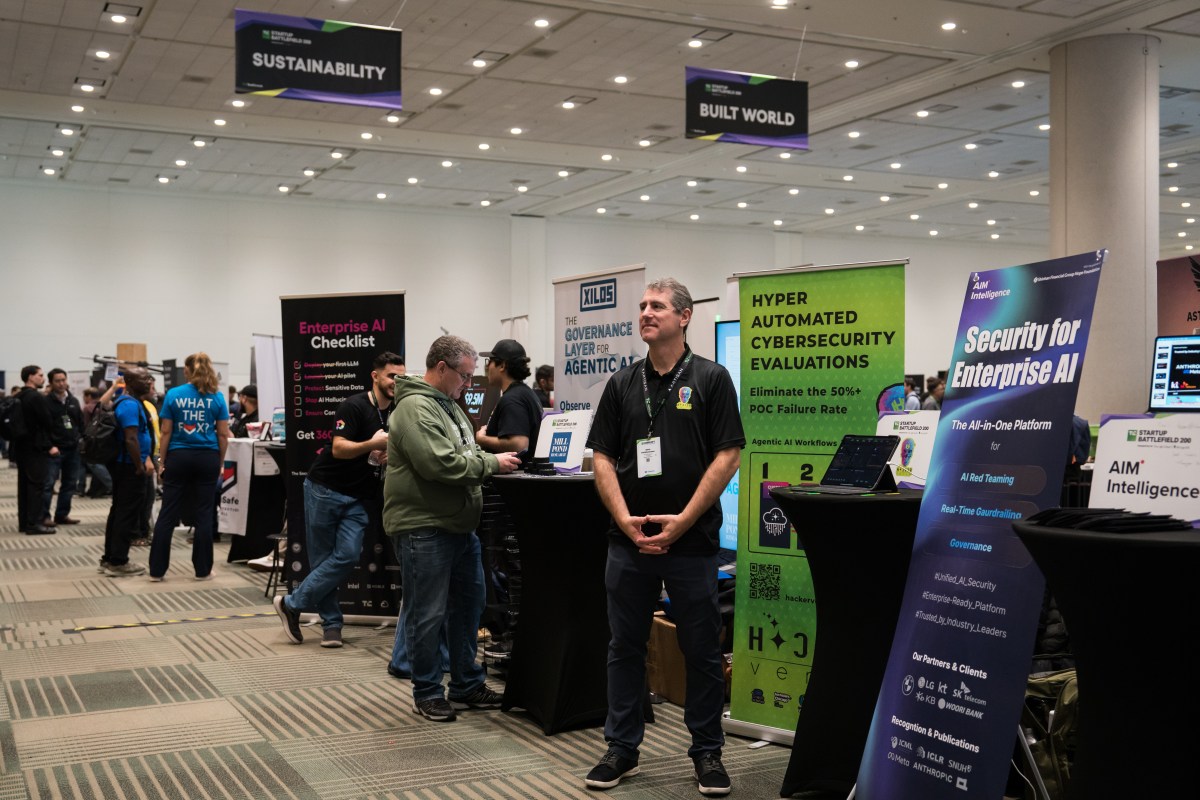
TechCrunch says its 2026 event will take place at Moscone West in San Francisco from October 13 to 15, with startups able to exhibit in the Expo Hall and meet investors, customers and business partners. The event is expected to attract more than 10,000 founders, venture capitalists and technology leaders, according to the source article.
The important takeaway for you is not simply whether you should book a table. It is how you present your company when potential customers, partners or investors have only a few minutes to understand what you do. That same challenge appears at local trade shows, business networking sessions, investor meetings and online product demonstrations.
What Happened
TechCrunch has opened its Exhibit Program for startups attending Disrupt 2026. Participating companies receive a 6-foot by 30-inch table in the Expo Hall, along with a table covering, chairs and signage, as described by TechCrunch.
The programme also includes 10 event passes: five all-access Exhibitor-Partner passes and five Expo+ passes. Exhibitors can use the event’s mobile application for lead generation, while the programme includes access to a press list and Silver Tier sponsor branding across selected event channels. TechCrunch states that exhibit tables are limited and that the offer closes when all tables are sold or on September 25 at 11:59 p.m. Pacific Time, whichever comes first. These details are subject to the organiser’s published terms and availability, so you should verify them directly through the original announcement.
The article positions exhibiting as an alternative to speaking on a keynote stage. Instead of waiting for a formal presentation slot, a startup can create direct conversations on the exhibition floor. That approach is relevant to smaller businesses because buying decisions often begin with a short, practical conversation rather than a long presentation.
Why This Matters for Malaysian SMEs
Malaysian SMEs regularly rely on trade fairs, supplier events, chamber of commerce activities and industry exhibitions to generate opportunities. Whether you sell halal food products, accounting services, logistics solutions, manufacturing components, education programmes or business software, your display must answer one question quickly: why should someone stop and speak with you?
Consider a local automation company exhibiting at a manufacturing event in Shah Alam. A banner saying “Digital Transformation Solutions” may sound professional but does not tell a factory owner what changes. A stronger message could say, “Reduce manual order entry and see every pending delivery in one dashboard.” The second version connects the product to a recognisable business problem.
The TechCrunch model also highlights the importance of assigning clear roles to your team. If you exhibit at an event, one person should welcome visitors, another should demonstrate the product, and another should record follow-up details. You should not allow every staff member to deliver a completely different explanation of your business. Prepare a short introduction, three qualifying questions and a next step before the event begins.
For Malaysian SMEs serving customers across Southeast Asia, international events can also test your market readiness. Can you explain your product in clear English? Can your onboarding process support customers in different time zones? Can you respond to enquiries promptly after the event? Can your case studies show measurable operational improvements without revealing confidential information?
| Event lesson | How you can apply it |
|---|---|
| Make your space easy to understand | Use one clear headline that describes the customer problem you solve. |
| Turn conversations into follow-ups | Record the visitor’s needs, decision timeline and agreed next action. |
| Bring the right team members | Assign people for welcoming, demonstrating and follow-up administration. |
| Show evidence | Prepare short customer stories, screenshots, process diagrams or product samples. |
| Respond after the event | Send a relevant summary while the conversation is still fresh. |
Build a Better Exhibition Workflow
You can improve event performance before renting a booth or printing a banner. Start by defining your target visitor. “Everyone” is not a useful audience. You might target restaurant groups with multiple outlets, exporters needing inventory visibility, or professional firms struggling with repetitive administration.
Next, create a simple demonstration that takes less than five minutes. Show the current problem, the improved process and the result. Avoid filling the demonstration with every feature. A visitor who understands one useful outcome is more likely to continue the conversation than someone who sees a complicated list of functions.
Use a digital form to capture details consistently. At minimum, record the visitor’s name, company, role, main challenge, preferred contact method and agreed follow-up date. You can connect this information to your customer relationship management system so that leads do not remain scattered across notebooks, messaging applications and personal spreadsheets.
An event lead is not a result. It becomes an opportunity only when you know the customer’s problem and complete the next agreed action.
Automation can make this process more reliable. For example, after a visitor submits a form, your system can send a confirmation message, notify the assigned salesperson and create a follow-up task. You can also prepare different follow-up messages for different visitor types, such as prospective customers, resellers and strategic partners. The communication should remain relevant and personal; sending the same generic message to everyone weakens the value of the interaction.
The Bigger Picture
TechCrunch Disrupt’s exhibit announcement reflects a wider shift in how startups and SMEs build visibility. You do not always need a stage, a large marketing department or a complicated campaign. You need a clear offer, a focused audience and a dependable process for converting attention into conversations.
For Malaysian business owners, the lesson applies equally to a local SME convention in Kuala Lumpur, a supplier day in Penang or a virtual business-matching session. Your physical presence is only the beginning. The real advantage comes from preparation, consistent messaging and disciplined follow-up.
Before your next event, set a measurable objective that does not depend only on collecting contacts. You might aim to secure a certain number of product demonstrations, identify distribution partners or validate whether a specific customer segment has a problem worth solving. Review the results after the event, including which message attracted attention and which questions visitors asked most often.
Whether or not you attend TechCrunch Disrupt 2026, you can adopt its most practical principle: make it easy for the right people to discover what your business does and easy for your team to continue the conversation. That combination can help your SME turn a crowded event floor into a structured business-development channel.
Ready to Streamline Your Operations?
Technology moves fast. Your operations should keep up. AutoRunBiz builds AI systems that run your daily workflows — from WhatsApp order capture to accounting. Book a free 15-min ops audit →