
Tourism Growth Is Becoming a Business System
If you run a restaurant, hotel, tour company, transport service, retail shop or local experience business, you may see tourism as a straightforward transaction: a visitor books a room, buys a meal or joins a tour. That view is becoming too narrow. A traveller can also create demand for transport, digital services, shopping, wellness, cultural activities and locally made products.
This matters because your business may benefit from tourism without being a traditional tourism company. A bakery supplying hotel breakfasts, a van operator serving airport transfers, a software provider managing bookings or a craft business creating visitor experiences can all become part of the same customer journey.
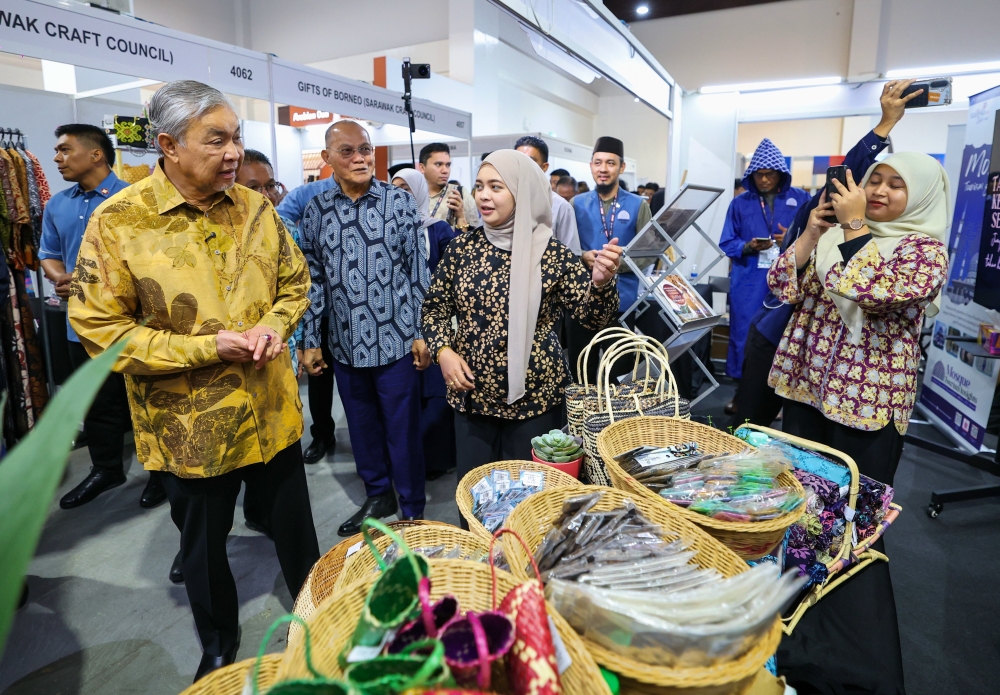
Malaysia’s Deputy Prime Minister has called for a broader ecosystem linking Muslim-friendly tourism with halal innovation, trade, technology, local enterprises and communities. The opportunity is not limited to major hotels or government-linked organisations. It also depends on whether smaller businesses can present a reliable, easy-to-find and well-coordinated experience.
TL;DR
Muslim travellers increasingly want more than halal food and prayer facilities; they also seek business, wellness, nature, culture and adventure experiences.
Your practical priority is to make your business easier to discover, easier to book and more consistent for Muslim visitors, while building partnerships with other local SMEs.
What This Means
The “Muslim travel economy” refers to the wider network of products and services used by Muslim travellers before, during and after a trip. It includes accommodation, food, transport, shopping, attractions, finance, communications, wellness, education and digital booking tools.
The source article reports that international Muslim arrivals reached 196 million in 2025 and are projected to reach 262 million by 2030. It also cites estimated travel expenditure of US$310 billion. These figures indicate a large and expanding customer base, but they do not mean every business will automatically receive more visitors.
Travellers compare options quickly. They want clear information about halal status, prayer access, suitable facilities, operating hours, transport arrangements, family suitability and language support. If your business hides these details, gives inconsistent answers or makes visitors contact several people to arrange one experience, you may lose the booking to a competitor that communicates better.
Technology is part of this change, but it does not have to mean a complicated system. A mobile-friendly booking form, automated WhatsApp replies, shared calendars, digital receipts and a simple customer database can already improve the visitor experience. The goal is not to use technology for its own sake. The goal is to remove friction.
A traveller does not experience your business in isolation; they experience the quality of the entire journey.
How This Applies to Malaysian SMEs
For food and beverage businesses, trust must be visible. If you serve Muslim visitors, clearly explain your halal certification or operating status, ingredients, kitchen practices and suitable menu choices. Do not rely only on a small sign at the counter. Put the same information on Google Business Profile, your website, social media and booking platforms. If your menu changes, update every channel. A visitor from Indonesia, Brunei, the Middle East or another market may decide whether to visit before arriving in Malaysia.
You can also design food experiences rather than simply selling individual dishes. A café in Melaka might offer a guided local food walk with prayer-time planning. A restaurant in Kuala Lumpur could create a family dining package linked to nearby shopping or cultural attractions. A small producer in Penang could supply packaged products to hotels and tour operators. These partnerships help you reach visitors through other businesses instead of waiting for them to find you.
For accommodation providers, Muslim-friendly service includes the whole stay. Guests may look for prayer mats, qiblah information, nearby mosques, halal breakfast options, family-friendly room arrangements and clear check-in instructions. You should document these details in a standard operating procedure so every staff member gives the same answer. If you operate a homestay, create a digital welcome guide with nearby halal eateries, prayer facilities, transport options and local attractions.
Small accommodation operators can also collaborate with guides, drivers and activity providers. A guest booking a two-night stay may be interested in a nature trip, heritage walk, wellness session or shopping itinerary. A shared referral process gives the visitor a smoother experience and helps each business generate relevant enquiries. Use a simple form or central spreadsheet to record the booking status, customer preferences and follow-up date.
For tour, transport and experience providers, flexibility is increasingly important. The source article notes that Muslim travellers are interested in business, wellness, culture, nature and adventure, not only conventional religious travel. This creates room for focused packages: a halal food trail, an Islamic heritage route, a family-friendly rainforest visit, a wellness weekend or a business traveller’s evening itinerary.
Design the itinerary around practical needs. Identify prayer facilities, halal meal stops, rest periods, transport access and weather alternatives. List what is included and excluded. Provide a clear emergency contact. If visitors come from West Asia or other international markets, consider whether your staff can communicate in suitable languages or whether you need translated information. Even basic, accurate English and Arabic headings can make your offer easier to understand.
For technology and professional service SMEs, the ecosystem needs behind-the-scenes support. Hotels, restaurants and tour companies need booking management, customer records, inventory tracking, multilingual content, automated reminders and reporting. A local automation company can help connect these tasks without forcing a business to replace every existing tool. For example, a booking enquiry can be captured from WhatsApp, assigned to a staff member, followed up automatically and recorded in one customer list.
This is also relevant to local suppliers. If you provide uniforms, packaged food, signage, translation, photography, transport or event services, prepare a clear business profile showing your capacity, operating area and service standards. Larger tourism partners often prefer suppliers who respond quickly and provide consistent documentation.
Useful Numbers to Keep in View
| Indicator | Reported figure | Why it matters to you |
|---|---|---|
| International Muslim arrivals in 2025 | 196 million | There is a broad potential market across travel, food, retail and services. |
| Projected international Muslim arrivals by 2030 | 262 million | Businesses should build repeatable processes before demand expands further. |
| Estimated Muslim travel expenditure | US$310 billion | Spending reaches many connected categories, not accommodation alone. |
| WITEX 2026 duration | August 21–23, 2026 | Industry events can help you identify partners, suppliers and distribution channels. |
Practical Takeaways for Your Business
- Audit your customer journey: Check how a visitor discovers you, asks questions, books, pays, arrives and receives follow-up support.
- Publish key information: State your halal arrangements, prayer-related facilities, family suitability, languages, operating hours and transport access clearly.
- Create one tourism-ready offer: Start with a focused package linked to food, culture, wellness, nature, shopping or business travel.
- Build three local partnerships: Approach one accommodation provider, one transport or guide operator and one food or retail business.
- Use a shared customer record: Track enquiries, preferences, booking status, arrival dates and follow-up actions in one organised system.
- Prepare staff scripts: Give employees accurate answers to common questions so customers receive consistent information.
- Translate important content: Begin with your core booking, safety and facility information in clear English and additional relevant languages.
- Measure operational results: Review response time, enquiry-to-booking conversion, repeat visitors, partner referrals and customer feedback each month.
The Bigger Picture
Malaysia’s opportunity is not simply to attract more visitors. It is to make each visitor’s journey more connected, dependable and varied. That requires cooperation between government agencies, tourism operators, halal businesses, technology providers, training institutions and community enterprises.
For SMEs, this means specialisation can be an advantage. You do not need to offer every service yourself. You need to be excellent at one part of the journey and easy for trusted partners to work with. A reliable airport transfer company, a well-organised heritage guide or a restaurant with accurate halal information can become an important link in a wider travel network.
The emphasis on technology and talent also points to a practical management issue. As enquiries increase, manual work can become a bottleneck. If your team loses messages, forgets follow-ups or gives different answers, visitor growth may create operational problems. Start documenting your process now, then automate the repetitive parts such as confirmations, reminders, enquiry routing and post-visit feedback.
The businesses best placed to benefit will be those that combine hospitality with discipline. Understand what Muslim travellers need, communicate it plainly, coordinate with other SMEs and use simple systems to deliver consistently. That is how a small Malaysian business can become a dependable part of the global Muslim travel economy.
Ready to Streamline Your Operations?
Your business should run itself. AutoRunBiz deploys AI agents to automate your daily operations — WhatsApp orders, invoicing, customer follow-ups, and accounting. Book a free 15-min ops audit to see where automation fits your business →