
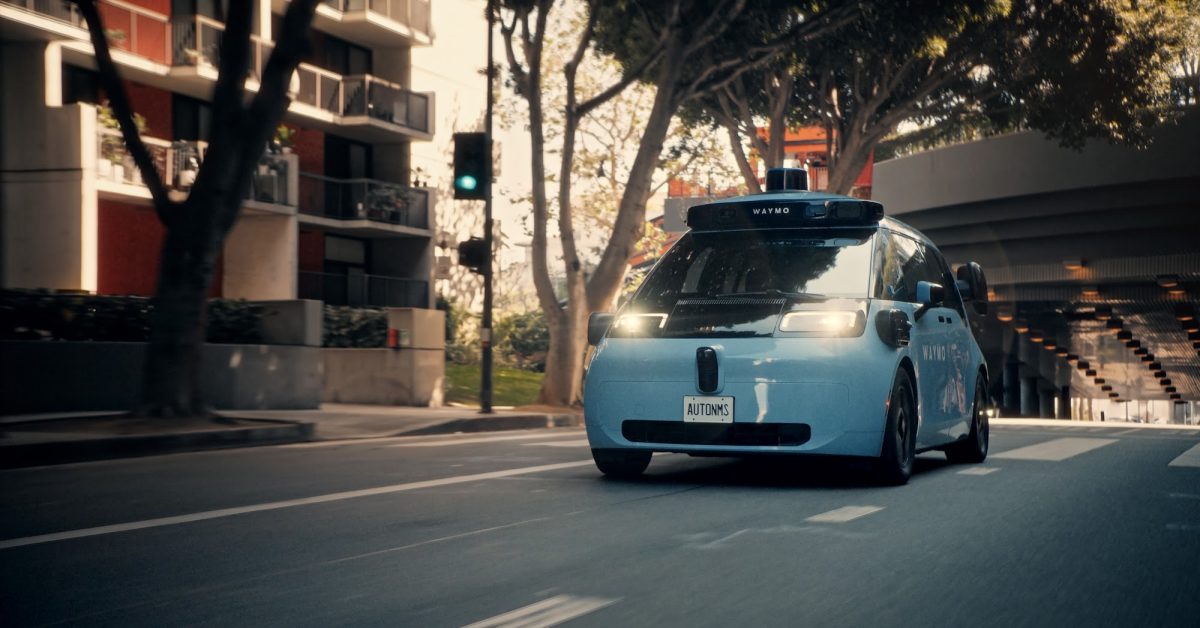
Why Waymo’s Chinese Robotaxi Matters to Your Business
A Chinese-made electric vehicle has become available to American passengers—not as a showroom product, but as a commercial robotaxi. Waymo has opened its Zeekr-built Ojai autonomous vehicle to all riders in San Francisco, Los Angeles and Phoenix, showing how quickly transport is shifting from “what can you buy?” to “what service can you access?” Source: Electrek
For you as a Malaysian SME owner, the important lesson is not whether autonomous cars will arrive in Malaysia tomorrow. The bigger lesson is that hardware, software and services are being separated. A vehicle made by one company, fitted with intelligence from another and delivered as an on-demand service can create a business model that traditional ownership cannot easily match.
The same pattern is already visible in business automation. You may use accounting software from one provider, cloud storage from another, AI tools from a third and customer messaging platforms from several others. Your business does not need to own every technology asset. You need a reliable system that connects them and produces useful results.
What Happened
Waymo has moved its next-generation Ojai robotaxi from free early-access rides into commercial operations. The Ojai had been available to selected riders since 28 May 2026, but it is now available to the general public in three United States markets when a vehicle is nearby. Waymo plans to let passengers eventually choose between the Ojai and its existing Jaguar I-PACE robotaxis. Source: Electrek
The base vehicle is manufactured by Zeekr, the premium electric vehicle brand owned by China’s Geely Holding Group. Zeekr builds the vehicle on its SEA-M architecture, while the body was designed in Sweden. The Ojai is a purpose-built, van-style robotaxi with a flat floor, low step-in height and wide side doors designed to improve passenger access. Source: Electrek
Waymo does not simply import a finished autonomous vehicle and put it on the road. The Zeekr vehicles arrive without the Chinese connectivity hardware and sensors that would conflict with an incoming United States connected-vehicle rule. Waymo installs its own computing and sensor equipment, with final assembly taking place at its Mesa, Arizona facility with supplier Magna. Source: Electrek
The Ojai uses Waymo’s sixth-generation Driver system, including 13 cameras, four lidar units and six radar units. Waymo says the system reduces the sensor count by 42% compared with its fifth-generation platform, while the hardware now runs below US$20,000 per vehicle. Source: Electrek
Why This Matters for Malaysian SMEs
Malaysia has a large base of businesses that depend on transport, delivery and field operations. Restaurants, pharmacies, wholesalers, florists, hardware shops, workshops and online sellers all face similar challenges: coordinating drivers, tracking orders, confirming delivery locations and handling customer updates. A robotaxi is not yet the answer for every local operation, but Waymo’s approach shows how a business can combine existing physical assets with a specialised intelligence layer.
Consider a Malaysian SME that operates five delivery vehicles. Instead of treating each vehicle as an isolated asset, you could connect route planning, order management, GPS tracking, proof of delivery and customer messaging in one workflow. The vehicle remains the physical tool, while software decides which driver handles each job, sends an estimated arrival time and alerts your team when a delivery is delayed.
The Ojai also highlights the value of designing equipment for a specific job. It is not simply a normal car with autonomous technology added later. Its flat floor, wide doors, passenger screens, charging ports, grab bars and accessibility features are built around the robotaxi experience. Source: Electrek
You can apply the same thinking to your internal processes. Do not merely add a chatbot to an inefficient sales process. Redesign the workflow around the customer’s actual journey. A good automation system might allow a customer to enquire through WhatsApp, receive product information, submit an order, get a confirmation, receive an invoice and track delivery without your staff manually copying information between systems.
Practical Lessons for Your Business
| Lesson from Waymo’s Ojai | SME application |
|---|---|
| Separate hardware from intelligence | Connect your existing devices and software to a central workflow instead of replacing everything at once. |
| Design around the user | Build simple customer journeys for enquiries, bookings, orders and support. |
| Use purpose-built systems | Choose tools that match your industry rather than forcing generic spreadsheets to manage every process. |
| Reduce complexity | Automate repetitive data entry, reminders, status updates and reporting. |
| Scale in stages | Start with one workflow, measure the result and expand only after your team is comfortable. |
What You Can Do Now
Start by mapping one process that regularly consumes staff time. For a retail business, this could be following up on abandoned enquiries. For a service company, it could be scheduling appointments. For a distributor, it could be confirming orders and delivery status. Write down every step, including who receives the information, where it is recorded and what happens when something goes wrong.
Next, identify which steps involve repetitive decisions. These are often suitable for automation. An online form can collect complete customer details. A workflow can assign a task to the right employee. A messaging system can send a confirmation. A dashboard can show which requests are pending. Human staff can then focus on exceptions, negotiations and customer relationships.
Data governance also matters. Waymo’s system demonstrates that autonomous services depend on carefully controlled hardware, software and data environments. Your SME should similarly decide who can access customer information, where records are stored and how changes are approved. Automation should make accountability clearer, not hide it.
“Your business does not need to own every technology asset. You need a reliable system that connects the right tools and helps your team serve customers consistently.”
The Bigger Picture
Waymo is using the Ojai as part of a wider scaling strategy. The company had nearly 1,000 Ojai robotaxis staged at its Arizona factory, alongside roughly 3,700 Jaguar I-PACE vehicles. It was operating about 500,000 paid rides per week across approximately a dozen cities and targeting one million weekly rides. Source: Electrek
Waymo is also preparing the Hyundai Ioniq 5 as another robotaxi platform, while planning Ojai rides for selected riders in Denver, San Diego and Las Vegas. The company has introduced a redesigned rider application and Gemini in Waymo as part of its service development. Source: Electrek
The significance for Malaysian SMEs is that technology ecosystems are becoming more modular. A company can source a vehicle platform from one country, safety systems from another, software from a technology provider and customer access through an app. This creates opportunities for smaller businesses because you can adopt capabilities through services instead of building every component internally.
However, modular technology requires discipline. Before adopting an automation tool, check whether it integrates with your existing systems, supports proper user permissions, provides exportable records and offers dependable technical support. A flashy demonstration is not enough. The system must work during busy periods, follow your operating rules and remain understandable to your staff.
The Ojai story is therefore not only about electric vehicles or autonomous driving. It is about how businesses turn specialised technology into a practical service. As similar models reach logistics, customer service, inventory management and administration, Malaysian SMEs that build connected workflows will be better placed to respond quickly, serve customers and grow without adding unnecessary process complexity.
Ready to Streamline Your Operations?
Technology moves fast. Your operations should keep up. AutoRunBiz builds AI systems that run your daily workflows — from WhatsApp order capture to accounting. Book a free 15-min ops audit →