
When Routine Vehicle Servicing Disrupts Your Business
If your business depends on vans, cars, or light commercial vehicles, a service appointment is not just a personal errand. It can affect deliveries, customer visits, staff schedules, and your ability to respond quickly to new work. The problem is often not the workshop itself. It is the time spent calling, checking availability, coordinating drivers, and remembering what needs to happen next.
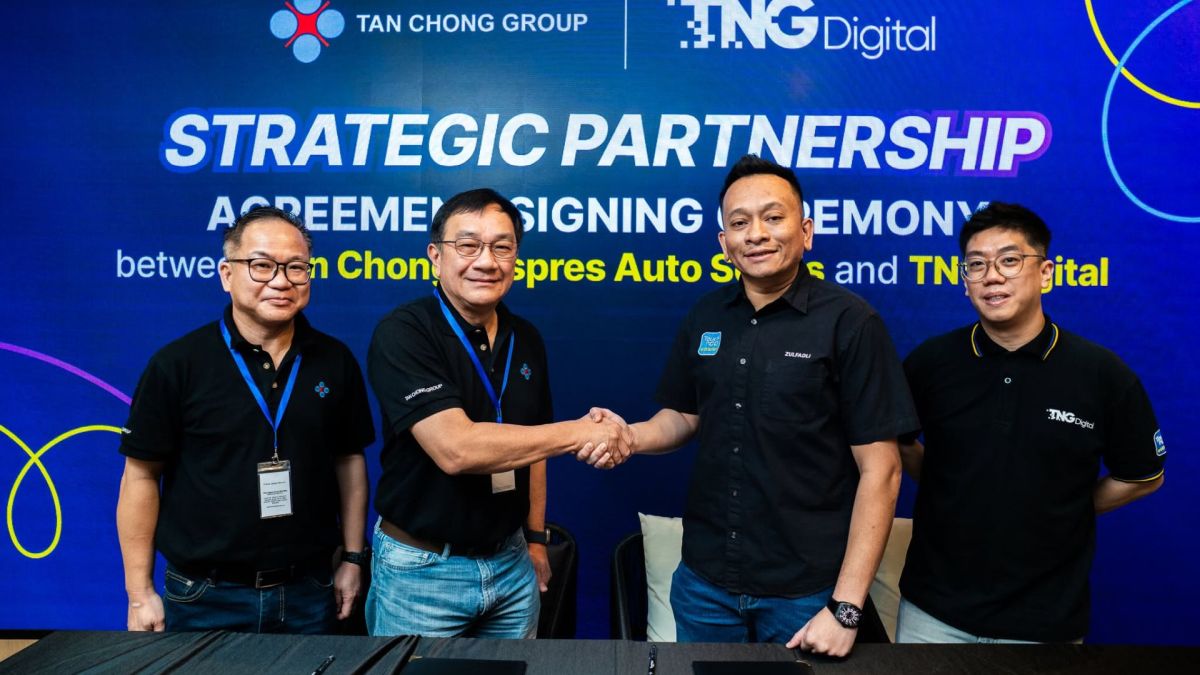
A new booking option for Tan Chong Ekspres Auto Servis (TCEAS) through the TNG eWallet points to a practical change: routine vehicle maintenance is moving closer to the digital tools Malaysians already use. The report says customers can book TCEAS car services through TNG eWallet, while Rahmah service packages start from RM109. Source
For an SME owner, the useful lesson is broader than one service provider or one app. It is about reducing avoidable admin work and creating a repeatable process for keeping business vehicles available.
TL;DR
Digital vehicle-service booking can help you organise maintenance without relying on phone calls, memory, or scattered messages.
Use the opportunity to create a simple fleet routine: record each vehicle, assign responsibility, book early, and keep service records in one place.
What This Means
TCEAS is a Tan Chong vehicle service network. According to the source report, customers can use TNG eWallet to make service appointments, select relevant options, and arrange servicing through a familiar digital channel. Source
In plain language, you may no longer need to treat every service appointment as a separate conversation. Instead, you can start the booking process digitally and fit the appointment into your operating schedule. That is useful when several people share responsibility for company vehicles.
The Rahmah packages mentioned in the article begin from RM109. Source Because service suitability can depend on vehicle model, mileage, age, and required work, you should confirm the package details, inclusions, availability, and final amount directly before approving a booking.
| Operational detail | What you should do |
|---|---|
| Booking channel | Check whether TNG eWallet is suitable for your team’s appointment process. |
| Service provider | Confirm the nearest suitable TCEAS outlet and accepted vehicle types. |
| Rahmah package reference | Verify current package terms and inclusions before authorisation. |
| Internal control | Assign one person to monitor bookings, reminders, and completed records. |
How This Applies to Malaysian SMEs
For delivery and trading businesses, vehicle availability directly affects customer commitments. A hardware supplier, bakery distributor, or small wholesaler may have only one or two vehicles serving several areas. If a driver discovers a service issue late, the owner may need to rearrange routes manually. A digital appointment process lets you plan the workshop visit around quieter operating periods, avoiding last-minute disruption where possible.
Start by keeping a basic vehicle register. Record the registration number, assigned driver, usual route, last service date, mileage at the last service, and the next expected maintenance window. This does not need to be complicated. A shared spreadsheet or business automation system is enough, provided your team updates it consistently.
For contractors and service businesses, vehicles often carry tools, materials, or equipment between customer sites. A missed service can create more than a transport problem: staff may arrive late, carry incomplete equipment, or need to reschedule work. You can make servicing part of the job-planning process by checking vehicle status before assigning major projects or busy periods.
For example, if your air-conditioning team has several commercial installations scheduled, review whether the assigned van is approaching its service interval. If it is, book the appointment before the work calendar becomes crowded. The booking channel is only useful when it is connected to your operating routine.
For professional firms and small offices, the vehicle may be used by different employees for client visits, document collection, or branch travel. Shared usage often creates unclear responsibility. One person assumes another person will arrange servicing, while warning lights or unusual sounds go unreported. Assign a vehicle coordinator, even if that responsibility is only part of someone’s role.
The coordinator can collect service requests, check booking availability, inform the driver, and save the completed service record. This reduces dependence on the owner remembering every detail and gives you a clearer view of upcoming operational interruptions.
For businesses managing several vehicle brands, do not assume one booking route covers every vehicle. TCEAS is associated with Tan Chong vehicle servicing, so you should confirm whether your particular vehicle and required service are supported before planning around the platform. Source A simple provider list can prevent staff from sending the wrong vehicle to the wrong outlet.
Convenient booking matters most when it becomes part of a reliable maintenance process, not when it remains a one-off digital feature.
Practical Takeaways for Your Business
- Create a vehicle register: Include registration number, driver, vehicle type, last service date, mileage, and next review date.
- Set one internal owner: Decide who checks maintenance needs and who is allowed to approve appointments.
- Book before the urgent period: Review vehicle needs before festive deliveries, project launches, school-term demand, or monthly customer runs.
- Use a shared calendar: Mark the appointment date, expected workshop duration, replacement vehicle needs, and driver responsibility.
- Confirm the details: Check outlet, time, vehicle eligibility, package inclusions, and any additional work before final approval.
- Keep digital records: Save appointment confirmations, service reports, recommendations, and follow-up dates in one folder.
- Separate urgent repairs from routine servicing: A booking system is not a substitute for immediate inspection when a vehicle shows unsafe symptoms.
- Review repeated issues: If the same vehicle returns with similar problems, discuss the pattern with the service provider and reassess how it is being used.
A Simple Weekly Vehicle Check
- Ask drivers to report warning lights, unusual noises, tyre concerns, or changes in braking and handling.
- Check which vehicles have upcoming service requirements.
- Compare proposed appointment times with customer bookings and delivery schedules.
- Confirm the booking through the selected digital channel.
- After servicing, update the vehicle record and note the next action.
This five-step routine is small enough for a microbusiness but structured enough to prevent important information from staying inside one employee’s phone.
Building a Better Process Around Digital Booking
The booking itself should trigger a few internal actions. Once an appointment is made, notify the driver, update the shared calendar, and identify which customer jobs may be affected. If the vehicle is used by multiple staff, tell everyone when it will be unavailable.
After servicing, ask for the relevant documentation and record any recommendations. You do not need to act on every recommendation immediately without review, but you should not lose track of it either. A follow-up list can show whether an issue needs attention before the next busy period.
You can also use simple automation to send reminders based on dates or mileage. For example, a system can notify the vehicle coordinator seven days before a planned review, create a task for the assigned driver, and request confirmation after the appointment. This is more dependable than relying on memory or a message buried in a WhatsApp group.
The Bigger Picture
Digital service booking reflects a wider expectation among customers and business teams: routine tasks should be easier to initiate, track, and confirm. For SMEs, the important question is not whether every process must become highly technical. It is whether your existing work depends too heavily on one person remembering what to do.
As more service providers connect booking, payment, reminders, records, and customer communication, your business can benefit from treating maintenance data as an operational asset. A completed service record can support scheduling, driver accountability, vehicle replacement decisions, and customer reliability.
Start small. Choose one vehicle, create one maintenance record, and test one consistent booking workflow. Once your team can follow it without confusion, apply the same approach to the rest of your fleet and other recurring tasks such as equipment inspections, licence renewals, and supplier follow-ups.
The TCEAS and TNG eWallet arrangement is a useful reminder that better operations often begin with a modest improvement: making the next necessary action easier to schedule and harder to forget.
Ready to Streamline Your Operations?
Your business should run itself. AutoRunBiz deploys AI agents to automate your daily operations — WhatsApp orders, invoicing, customer follow-ups, and accounting. Book a free 15-min ops audit to see where automation fits your business →
