
Why Small Businesses Should Pay Attention to EV Charging Access
If you run a Malaysian SME, a vehicle is often more than transport. It may deliver stock, carry technicians to customer sites, move staff between branches, or support daily sales visits. When that vehicle is electric, charging becomes part of your operating routine.
The challenge is rarely just finding a charger. You also need to know where charging fits into a driver’s schedule, how to avoid unnecessary waiting, and how to keep records clear when several employees use the same vehicle. A charging benefit may look like a simple motoring perk, but it can also affect how efficiently your business plans its work.
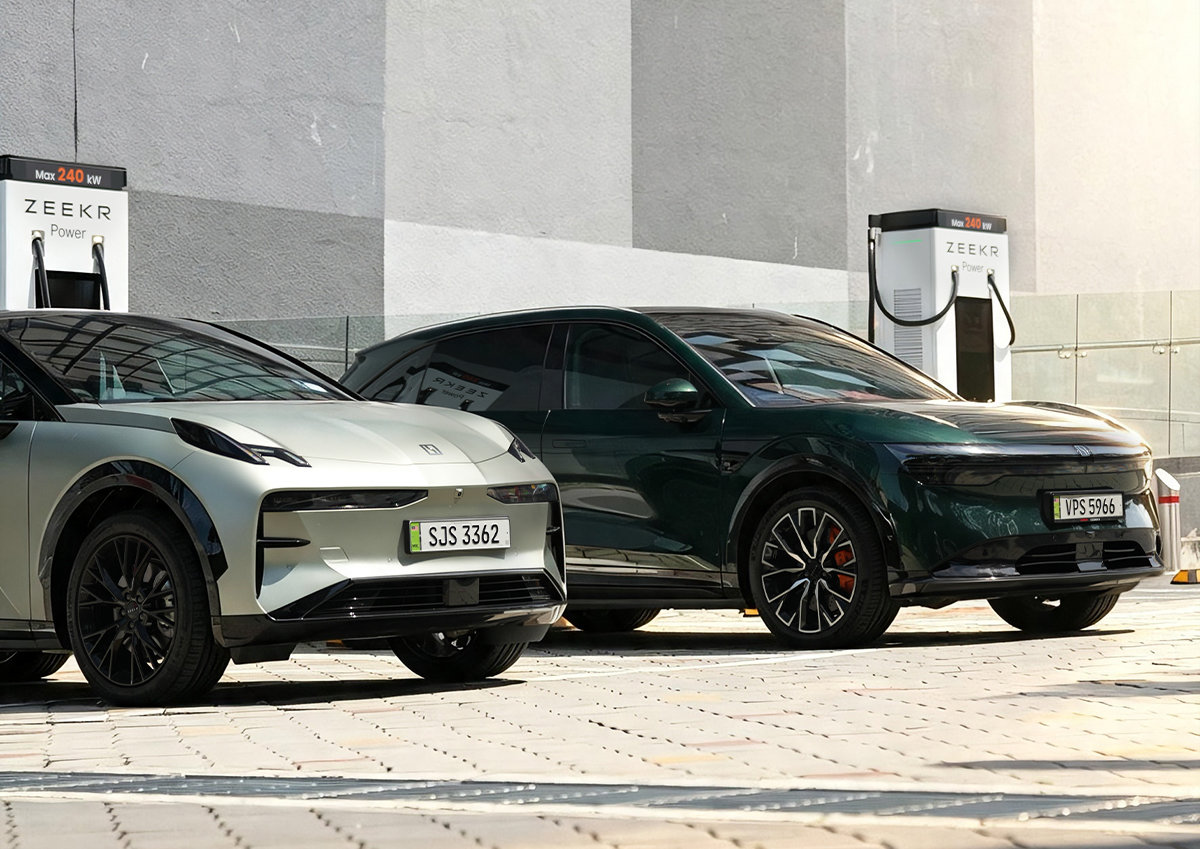
The reported offer for Zeekr owners illustrates this point. According to SoyaCincau, eligible Zeekr owners can access a RM1.20/kWh rate at DC Handal chargers after activating the relevant benefit. The exact terms, activation steps, and availability should be checked directly against the provider’s latest information before you plan business operations around it.
TL;DR
EV charging benefits can help you plan deliveries, site visits, and company-car usage more systematically.
Before activating any offer, confirm eligibility, charging locations, account setup, payment records, and whether the benefit suits your actual routes.
What This Means
In plain language, a per-kilowatt-hour charging rate means you are charged according to the amount of electricity added to the vehicle’s battery. The vehicle model, battery condition, charging speed, traffic, and queue at the charger can all affect the time needed for a session.
For Zeekr owners, the reported DC Handal arrangement is designed to provide an exclusive charging rate when the required activation has been completed. The source article reports the rate as RM1.20 per kWh and identifies DC Handal as the charging network involved; both the rate and terms may be subject to the provider’s conditions, so you should verify them before use through the official channels referred to in the offer. Read the source report here.
For an SME, the practical lesson is bigger than one car brand or charger network. You should treat charging access as an operational resource. That means identifying approved drivers, planning charging windows, recording usage, and creating a simple process for exceptions such as a failed session or an occupied charger.
Key insight: A charging benefit becomes useful to your business only when it is connected to a clear vehicle-use and record-keeping process.
How This Applies to Malaysian SMEs
1. Delivery and service businesses can plan routes around charging. If you operate a bakery delivery service, florist, pharmacy supply route, repair team, or air-conditioning maintenance business, your vehicle may make several stops in one day. Charging should be considered alongside customer appointments, loading time, traffic conditions, and driver breaks. A driver could charge near a commercial area while completing a scheduled task, rather than treating charging as an unplanned interruption.
Start by listing your most common routes and marking where compatible DC chargers are located. You do not need a complicated system. A shared spreadsheet can include the vehicle, driver, route, preferred charging location, estimated arrival battery level, and backup location. For businesses with frequent jobs, connecting this information to a central workflow can make it easier to see whether a vehicle is ready for its next assignment.
2. Sales teams can reduce uncertainty during customer visits. A small distributor or trading company may send staff from Kuala Lumpur to Shah Alam, Johor Bahru, Penang, or other commercial areas. A sales representative who arrives with insufficient battery capacity may need to change plans at short notice. That can affect meeting times and customer confidence.
Give drivers a simple pre-trip checklist. It can include checking the vehicle’s estimated range, identifying a primary and backup charger, confirming the charging app or account is working, and allowing time for possible queues. The reported DC Handal benefit may be relevant if the vehicle and account meet the conditions, but do not assume every charger, connector, or session will work identically. Confirm the latest operational details before dispatching staff.
3. SMEs with several vehicles need accountability. Once more than one employee uses an EV, informal arrangements become difficult. You may not know who charged the vehicle, which customer trip it supported, or whether an issue was caused by the charger, the vehicle, or the account. Assign each vehicle a responsible user or department, and require drivers to record the date, location, session status, and business purpose.
This does not need to become paperwork-heavy. A mobile form can capture the essential fields in under a minute. You can then review unusual entries, such as repeated failed sessions, charging at locations outside normal routes, or vehicles returning with low battery levels. The aim is not to monitor every minute of a driver’s day; it is to prevent avoidable disruption.
4. Owner-operated businesses can separate personal and business use. Many Malaysian SME owners use the same vehicle for family, personal, and business activities. If you take advantage of a charging offer, keep a basic distinction between business trips and private trips. Record the trip purpose and retain the relevant digital receipt or account history where available.
This is especially helpful when you review vehicle usage, reimbursements, or internal operating performance. Clear records also make it easier to explain unusual charging activity to a business partner or administrator. If your company has no formal vehicle policy, this is a good time to create a short one covering approved drivers, charging locations, safety, and documentation.
Important Numbers and Checks
| Item | What to check | Why it matters |
|---|---|---|
| Reported charging rate | RM1.20/kWh, as reported for eligible Zeekr owners | Confirms the advertised benefit before you plan usage |
| Vehicle eligibility | Zeekr ownership and any account requirements | Prevents failed activation or unexpected session terms |
| Network | DC Handal charger location and current status | Helps you choose a practical route and backup option |
| Activation | Required app, account, proof of ownership, or registration step | Ensures the benefit is ready before a business trip |
| Charging record | Date, location, vehicle, driver, and business purpose | Supports basic operational review and accountability |
The reported rate and offer details are sourced from SoyaCincau’s article. Treat the table as an operational checklist, not a replacement for the provider’s current terms.
Practical Takeaways
- Confirm your vehicle’s eligibility before sending a driver to use the benefit.
- Complete activation while you have time, not immediately before an important trip.
- Keep the relevant charging app, account credentials, and vehicle documents accessible to authorised staff.
- Map a primary and backup charger for regular delivery and service routes.
- Ask drivers to record charging sessions and connect each session to a business trip.
- Include charging time when promising customer arrival windows.
- Check connector compatibility, operating status, and any access conditions before relying on a location.
- Review charging records weekly to identify repeat failures, unexpected detours, or poor route planning.
- Create a short EV policy covering approved use, safety, charging etiquette, and reporting of problems.
- Do not assume an advertised rate will apply indefinitely; verify the latest terms before each major planning decision.
A Simple Activation and Operations Workflow
- Verify eligibility: Confirm that the vehicle and owner account meet the stated conditions.
- Activate the benefit: Follow the provider’s current instructions and keep confirmation evidence.
- Test before dispatch: If practical, complete a non-urgent charging session so your team understands the process.
- Assign responsibility: Decide who manages the account, driver access, and issue escalation.
- Plan routes: Add suitable chargers and backup locations to your regular delivery or service plans.
- Record each session: Capture the basic details needed for internal review.
- Review performance: Check whether charging delays are affecting appointments, deliveries, or vehicle availability.
The Bigger Picture
Charging networks and vehicle manufacturers are increasingly creating benefits that depend on digital accounts, vehicle eligibility, and network access. For SMEs, this means transport administration is becoming more connected to software and data. The business that keeps accurate records will find it easier to decide whether an EV suits a particular route, role, or branch.
This does not mean you need a large technology project. Begin with one vehicle, one shared record, and one clear operating procedure. Once the process works, you can connect it to your existing scheduling, customer service, or accounting workflow. The priority is visibility: knowing where vehicles are, whether they can complete the next assignment, and what action is needed when charging does not go as planned.
For Malaysian SME owners, the reported Zeekr and DC Handal offer is a useful prompt to examine how your business handles vehicle operations. Whether you own a single company car or manage a small fleet, a charging benefit should be evaluated based on route reliability, driver convenience, record quality, and customer service. When those four areas are managed together, EV charging becomes a planned part of work rather than another last-minute task.
Ready to Streamline Your Operations?
Your business should run itself. AutoRunBiz deploys AI agents to automate your daily operations — WhatsApp orders, invoicing, customer follow-ups, and accounting. Book a free 15-min ops audit to see where automation fits your business →