
Why That Apple Deals Headline Is Not For You
Every week, someone posts a roundup of “best Apple deals” — this week it’s AirPods Pro 3 at a new low, MacBook Pros with hefty markdowns, and Anker charging accessories on clearance. If you’re running a business in Malaysia with 5, 15, or 40 employees, that headline triggers something. Should I be buying?
Here’s the reality check: those deals are from Amazon US, for US buyers, with US warranties and US power plugs. That MacBook Pro discount? It doesn’t ship directly to Kuala Lumpur. That AirPods Pro price? The warranty is handled somewhere in California. You could route it through a freight forwarder, but you’d be importing a device with no local service support, a US charger that doesn’t fit Malaysian sockets, and a warranty that costs more to exercise than to ignore.
The endless stream of deal content creates urgency without usefulness. It makes you feel like you’re missing out when you’re not missing anything. The real question for you isn’t “what’s on sale globally” — it’s “what does my business need, and when should I buy it on purpose?”
TL;DR
- US Apple deals don’t apply to Malaysia — local warranty, support, and electrical standards matter more than any headline discount.
- The back-to-school deal season is a signal to plan your own tech refresh cycle, not to impulse-buy.
- Specs that keep a device productive for 4–5 years beat “latest model” every time.
What This Means: You’re Watching the Wrong Shopping Channel
These weekly deal articles exist for one reason: affiliate revenue. The source post even discloses it — the publisher gets paid when US readers click and buy. That’s not a criticism; it’s how the content economy works. But it means the deals are optimised for US retail conditions, not for Malaysian business realities.
The underlying trend worth noticing is timing. It’s back-to-school season in the US, which is why accessory brands are bundling discounts with laptop deals. Hardware makers align their promotions with the school calendar because that’s when millions of families buy new devices. For your business, that’s a reminder that tech purchasing is seasonal — and you can choose your season instead of reacting to someone else’s.
How This Applies to Malaysian SMEs
1. Local warranty is your real safety net
When you buy Apple gear from an authorised reseller in Malaysia, you get local warranty coverage. When you import a US device, you get an expensive paperweight if the logic board fails. For a business, device downtime isn’t a minor annoyance — it’s a lost client call, a delayed proposal, a missed deadline. Malaysian SMEs should treat local warranty and service centres as part of the purchase decision, not an afterthought. Ask yourself: if your team’s laptop dies, can you walk into a service centre in KL or Penang, or do you need to ship it to another continent?
2. Use the back-to-school signal to plan your own refresh cycle
American students buying laptops in August isn’t relevant to your operations. But the habit of refreshing devices on a schedule is. Set a lifecycle policy: laptops get replaced every 4 years, phones every 3, accessories when they physically fail. When you know the cycle, you can buy intentionally — during Malaysia’s own sales seasons or when your operational needs allow — instead of panic-buying when a headline catches your eye. One logistics SME in Johor with 22 staff sets a reminder every March to assess hardware. They replace the oldest 20% of devices each year, and they never need emergency purchases.
3. Specs that match what your team actually does
The deal headlines obsess over the latest M5 Pro chips and the biggest discounts. Most Malaysian SME employees don’t need that. An accounts clerk processing invoices needs a reliable machine with solid RAM, not a top-tier processor. A graphic designer needs a MacBook Pro with enough unified memory to handle Photoshop without choking. A sales rep needs a lightweight laptop with dependable battery life and a comfortable keyboard for proposals. Before you buy anything, audit the workload: what software does each role run, and what’s the minimum spec that runs it comfortably for the next 4 years?
4. The accessory angle: don’t underestimate charging logistics
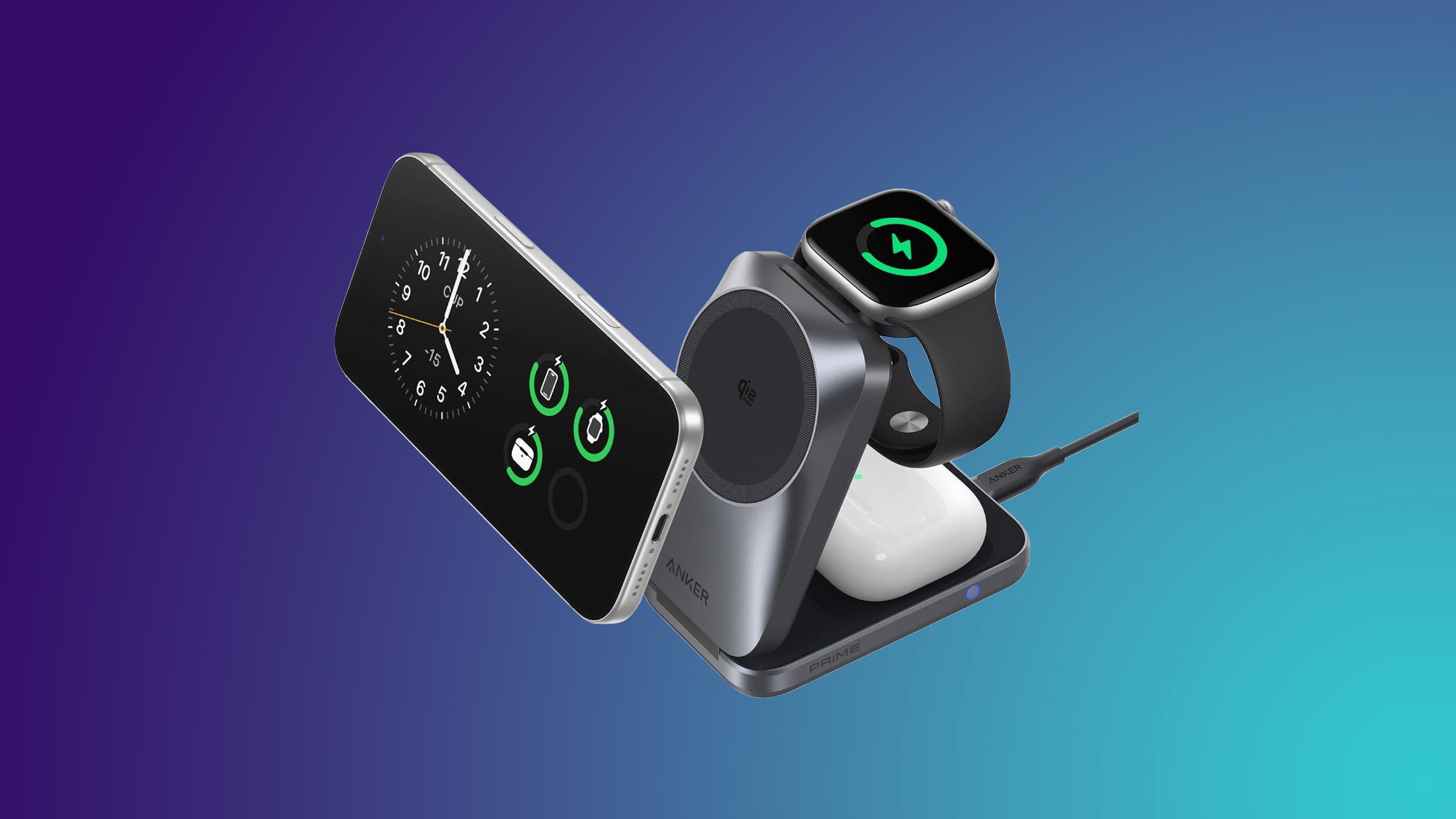
The Anker deals in the article point at something boring but essential: charging infrastructure. A multi-device wireless charger for an office desk, extra power adapters, proper cable management — these are the unglamorous purchases that keep a small team running. In Malaysian offices, especially hybrid setups, having reliable charging at every workstation prevents the “my battery is dying” chaos before a client meeting. Buy decent third-party accessories from local authorised distributors, and standardise cables so your team isn’t hunting for chargers at noon.
5. Watch out for the AirPods trap
Headphone discounts are tempting personal purchases disguised as business expenses. Yes, good audio gear matters for the meeting-heavy reality of hybrid work — your team taking calls from home needs working headsets. But you don’t need the flagship model for everyone. A standard set of noise-isolating headphones for client-facing staff is a business tool; the premium model for everyone is a luxury. Match the device to the role, not to the sale.
“The best ‘deal’ is the device you don’t have to replace next year. A boring, reliable laptop with full local warranty beats an imported flagship with zero support — every single time.”
Practical Takeaways: Your Device Decision Checklist
- Buy local, always. Purchase from authorised resellers in Malaysia to keep warranty and service support intact.
- Plan a refresh cycle. Replace laptops every 4 years, phones every 3 — and review progress quarterly.
- Audit your software needs first. List the apps each role uses before comparing hardware specs.
- Standardise accessories. One cable type, one power adapter standard, a consistent headset brand across the team.
- Ignore flashy global headlines. They’re written for US retail economics, not Malaysian business operations.
- Assign someone to own device management. Track warranty expiry dates, battery health, and replacement schedules.
What A Solid SME Device Fleet Looks Like
| Employee Role | Minimum Spec For 4-Year Lifespan | Why It Matters |
|---|---|---|
| Admin / Accounts | 16GB RAM, SSD storage, 1080p display | Efficient multitasking across spreadsheets and accounting software |
| Sales / External | 13–14″ lightweight, 12+ hour battery, strong WiFi | Day-long client visits without hunting for power sockets |
| Design / Marketing | 32GB unified memory, colour-accurate display | Handles Adobe software without lag, preserves brand colours |
| Developer | 32GB RAM, multi-core processor | Compiles code and runs containers productively for years |
The Bigger Picture: From Impulse Purchases to Business Systems
The deeper shift here is from treating hardware as an occasional expense to treating it as part of your business infrastructure. When you buy devices on impulse because of a headline, you end up with a patchwork of mismatched equipment — different operating systems, varying ages, inconsistent performance. That patchwork costs you more in lost productivity than any deal saves.
Businesses that think in systems do the opposite. They decide on a standard device for each role, set a replacement cycle, centralise purchasing with one or two trusted suppliers, and let the technology work quietly in the background. Your devices should be invisible; if your team is thinking about their laptops, their laptops are stealing focus from the work.
This matters more as automation tools become standard practice. Every process you automate — from invoicing flows to customer follow-ups — depends on hardware that runs reliably. A device that fails mid-automation isn’t just a broken gadget; it’s a broken business process. Plan your hardware like you plan your software: with intention, with local support, and with a clear view of what your team actually needs.
So the next time you see a headline about steep discounts on tech products, take a breath. Check what your business genuinely needs, buy from a supplier you can call when something breaks, and remember: the best technology purchase is the one you never have to think about again.
Ready to Streamline Your Operations?
Your business should run itself. AutoRunBiz deploys AI agents to automate your daily operations — WhatsApp orders, invoicing, customer follow-ups, and accounting. Book a free 15-min ops audit to see where automation fits your business →