
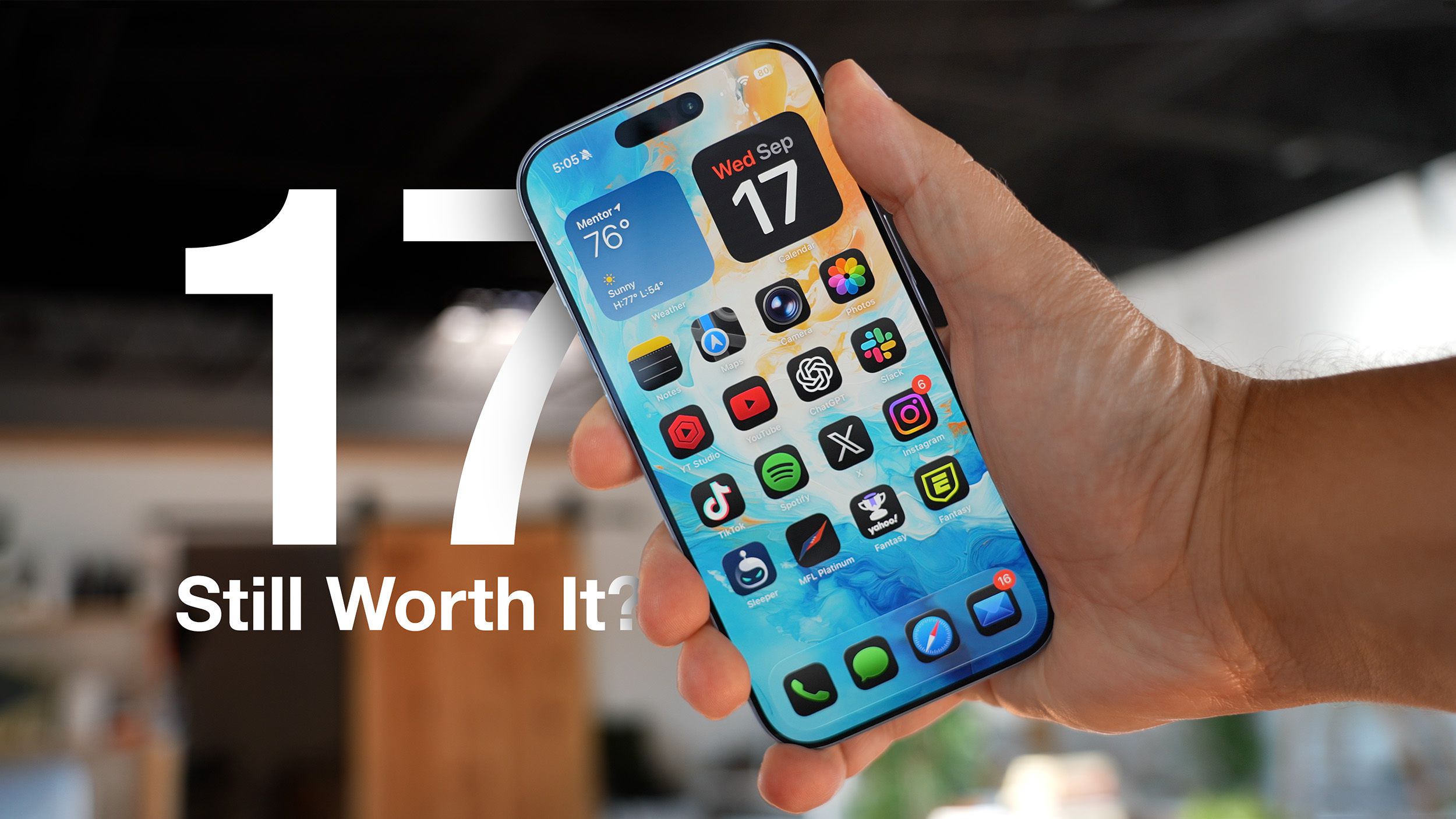
Apple Just Upset the iPhone Calendar — and Malaysian SMEs Should Pay Attention
You probably don’t think of Apple’s launch schedule as something that affects your daily operations. But when your team’s work phones, your WhatsApp Business chats, your e-invoicing apps, and your field staff all run on iPhones, a sudden change in Apple’s product roadmap is a business planning issue, not just a consumer curiosity. This week, MacRumors confirmed that Apple is breaking its own tradition: there will be no entry-level iPhone 18 this September. If you were quietly planning a device refresh for your staff around the usual launch season, it’s time to rethink.
What Happened
For the first time since Apple began selling standard and “Pro” iPhones side by side, the company will not release a standard iPhone 18 in September 2026. Instead, the fall launch will feature only the iPhone 18 Pro, iPhone 18 Pro Max, and a brand-new foldable iPhone Ultra. The lower-cost iPhone 18 is reportedly pushed to spring 2027. That means if you were expecting a more affordable upgrade path this year, you’re waiting an extra six months at least.
That’s not the only curveball. According to the same report, Apple may be cutting costs on the upcoming iPhone 18: a cheaper, less bright screen, lower-quality A20 chips with fewer GPU cores, and components borrowed from the budget iPhone 18e. Meanwhile, analyst Ming-Chi Kuo suggests the iPhone 18 could ship with just 9GB of RAM, which wouldn’t support the iOS 27 Siri voice customization and dictation features that require 12GB. In short: the phone you wait for might not even be the upgrade you hoped for.
Why This Matters for Malaysian SMEs
Here’s the reality for you as a business owner: your staff’s phones are not personal toys — they’re work tools. Your delivery driver uses maps and a scanning app. Your sales team runs CRM and WhatsApp Business on the go. Your accounts team approves payments through banking apps. When Apple delays a model, it doesn’t just shift consumer buying habits; it shifts the entire replacement cycle of the devices your business depends on. If you were planning to hand out new phones before the year-end rush or before Chinese New Year, the spring 2027 window for the iPhone 18 means your current devices need to hold up longer. That’s a maintenance conversation, not a shopping conversation.
The RAM situation matters even more. iOS 27 is expected to bring Siri voice customization and dictation improvements — genuinely useful features for Malaysian businesses that have staff typing in Bahasa Malaysia, Mandarin, or Tamil while driving between client sites. But if the iPhone 18 ships with 9GB RAM, those features simply won’t run on it, just as they don’t run on the iPhone 17. So the decision isn’t “wait for the better phone.” The decision is: do you need capable, reliable devices now, or can your operations afford to run lean on older hardware for another six months?
There’s also a practical angle for Malaysian SMEs that buy devices outright for staff, sparing them the burden of personal financing. The value of older iPhones drops with every new launch, so if you were planning to sell or trade in your team’s current iPhones to offset part of the cost of replacements, doing it before the September announcement makes sense. Delaying beyond that point weakens your position — just when your equipment is aging and your need for reliability is growing.
“The best time to upgrade your team’s devices isn’t when Apple announces something shiny. It’s when your business can absorb the change without disrupting operations — and when the device you’re buying still represents real value.”
The Bigger Picture
Apple’s shift to a staggered, premium-first launch strategy tells you something larger: even the biggest tech companies are stretching their product cycles. For a Malaysian SME, that’s a signal to stop treating phone upgrades as an annual habit and start treating them as part of your broader operational planning. A three-to-four-year replacement cycle, backed by regular battery servicing and storage hygiene, is becoming the norm — and the phones themselves are good enough for it. As the MacRumors 2026 Buyer’s Guide notes, the iPhone 17 remains the model recommended for most people, with the same 120Hz ProMotion display, Always-On screen, and Wide/Ultra Wide cameras as the Pro models, minus only a telephoto lens and some RAM.
And consider the foldable iPhone Ultra. It signals that Apple sees the future in new form factors — potentially great for businesses that do site inspections, design reviews, or client presentations. But for the majority of Malaysian SMEs, a reliable standard iPhone with solid battery life and good app support will remain the workhorse. Don’t let the novelty of a foldable pull your procurement decisions away from what your team actually needs.
Key Takeaways for Your Business
| Aspect | iPhone 17 (available now) | iPhone 18 (expected) |
|---|---|---|
| Launch timing | Currently on sale | Spring 2027 for standard model |
| Chipset | Current-gen, proven performance | Rumored A20 on 2nm process |
| RAM | 8GB | Rumored 9GB or 12GB; 9GB won’t support some iOS 27 Siri features |
| Key upgrades | 120Hz ProMotion, Always-On display | Possible 24MP selfie camera, smaller Dynamic Island, C2 modem |
| Business fit | Reliable workhorse for today | Worth waiting for only if the rumored upgrades match a real need |
All details in the table are drawn from the MacRumors report. The takeaway: don’t freeze your tech decisions waiting for a phone that’s uncertain, delayed, and possibly compromised on quality.
Your move is simple. If your team’s devices are still running fine and you can wait until mid-2027, wait — but build in a service check for batteries and storage now. If your staff are struggling with aging phones that are hurting productivity, the iPhone 17 is a solid, recommendable choice today. Plan around your business calendar, not Apple’s keynote calendar. Your operations will thank you.
Ready to Streamline Your Operations?
Technology moves fast. Your operations should keep up. AutoRunBiz builds AI systems that run your daily workflows — from WhatsApp order capture to accounting. Book a free 15-min ops audit →