
When Political Headlines Hit Your Feed, Do You Panic or Plan?
You opened your news app this morning and saw another headline about political infighting. Before you even finished reading the story, a familiar thought crossed your mind: does this affect my business? You’re not wrong to wonder.
Malaysian SMEs operate on a mix of contracts, licences, approvals, and client confidence. When coalition partners send mixed signals, the system can feel less predictable. But political friction isn’t new, and it doesn’t automatically mean chaos for your operations. What it means is that you need to understand the difference between noise and actual risk.
Here’s the thing: this specific story isn’t about you. But the pattern behind it — leaders disagreeing publicly about decisions that affect government direction — absolutely is.
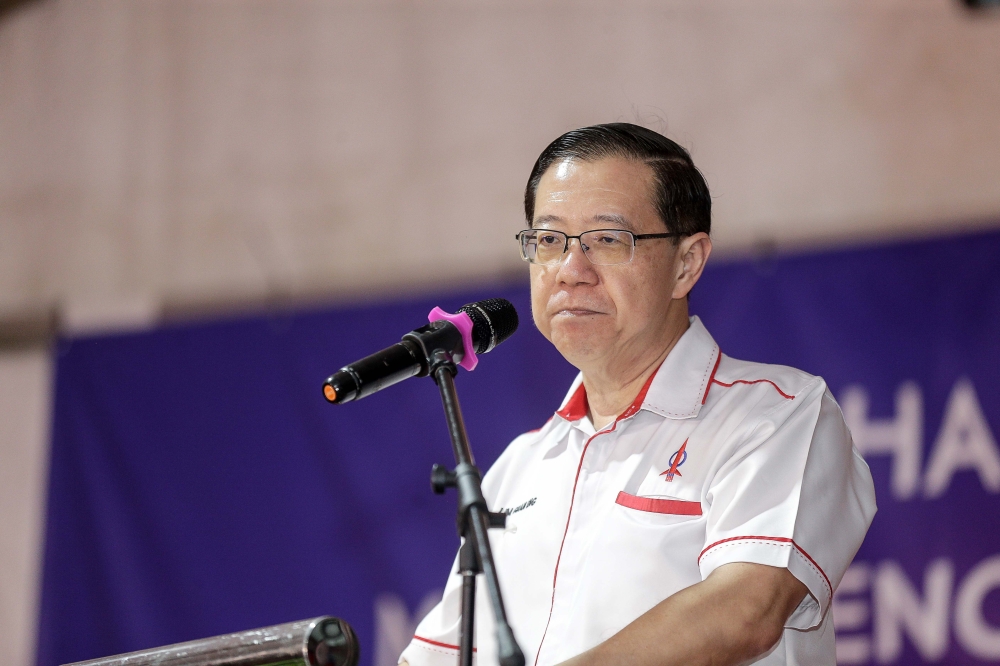
TL;DR: Lim Guan Eng says Penang DAP delegates never endorsed cooperating with Umno; Chow Kon Yeow says the decision stands because nobody objected. For SME owners, the practical takeaway is this: coalition politics can shift quickly, so your business planning should never depend on a single political outcome.
What This Means: The Plain-Language Version
The Malay Mail report explains that at the Penang DAP delegates’ meeting, the agenda was limited to whether DAP should stay in the federal government. Lim stressed that neither he nor any delegate raised Umno’s role in Penang, and he cautioned Chow not to assume silence meant endorsement. Chow, meanwhile, told reporters a day earlier that the decision to work with Barisan Nasional was “not challenged” and remains Penang PH’s position.
In plain language: two senior leaders walked away from the same meeting with different interpretations. That happens in politics, and it happens in business partnerships too. The difference is that when it happens in government, it affects the environment you operate in.
How This Applies to Malaysian SMEs
Think about every touchpoint your business has with government. A contractor licence. A food handling certificate. A vehicle route permit. A supplier registration with a GLC. The immediate effect of this political disagreement on those touchpoints is — realistically — zero. But the medium-term effect depends on how many similar disagreements accumulate, and whether any of them push a policy review or a leadership change.
Here’s how you should think about it: political stories like this are early warning signals, not action triggers. You don’t need to change your business model when two politicians trade statements. You do need to know what your business would do if the environment shifted. For example, if your company supplies cleaning services to a state agency, and there is a leadership change at the state level, would you know which officers to speak to? Would you have documented all your contract renewals? Most SME owners can’t answer those questions quickly — and that’s the real exposure.
The second angle is client behaviour. When political friction makes national headlines, some of your B2B clients become cautious. They delay signing new purchase orders, they postpone expansion decisions, they “wait and see.” This is human behaviour, not economics. If your business depends on a handful of clients, even a short pause in their decision-making will ripple through your schedule. You can’t control the headlines, but you can reduce your dependency on any single client’s enthusiasm.
Third, use this as a reminder to automate the boring stuff. Every renewal date, every compliance requirement, every licence your business holds — you should be able to see all of them in one place. When you’re not scrambling to remember what expires when, you have mental room to evaluate news calmly. Business automation is not about technology for its own sake; it’s about removing the administrative clutter so you can focus on decisions that actually matter.
Political predictability is not something you can control, but your exposure to it is. The question every SME owner should ask is not “who’s winning this argument?” but “am I prepared for any outcome?”
What Happened, In Timeline Form
Here’s the sequence of events as reported by Malay Mail:
| Timeline | Event | Signal for your business |
|---|---|---|
| Aug 12, Wednesday | Penang DAP delegates’ meeting, focused solely on staying in the federal government | No state-level cooperation decision was actually debated |
| Aug 13, Thursday | Chow tells reporters the BN/Umno cooperation decision stands, “no one questioned it” | Public position remains unchanged |
| Aug 14, Friday | Lim rebukes Chow, warns against assuming delegate endorsement | Leadership disagreement is now public — monitor for further statements |
The gap between “nobody spoke up” and “everyone agrees” is where political risk lives. When there’s no open objection at a meeting, it doesn’t mean there’s unanimous support. That’s a lesson that applies to your own team meetings too.
Practical Takeaways: What You Can Do Starting This Week
- Inventory every regulatory touchpoint. List all your licences, permits, and approved registrations with a renew-by date. If you don’t have this list in one place, your first afternoon project is clear.
- Diversify your client base deliberately. If one client takes up most of your working hours, your business is exposed to their internal decisions as much as to any political shift. Start small — one new segment, one new channel.
- Pick two reliable information sources. One industry-specific, one general business source. Read them on a schedule, and filter for operational relevance rather than reacting to every headline.
- Put your contracts in order. Written agreements with clear renewal terms are your protection when uncertainty rises. Vague verbal arrangements become liabilities.
- Brief your team. A short conversation about “here’s what the news means for us” prevents anxiety from spreading through the workplace and keeps everyone focused.
- Set up simple automated reminders. Your calendar can track licence renewals and contract dates. If you can automate that tracking, you remove a whole category of worry.
The Bigger Picture: Building a Business That Doesn’t Flinch
Malaysia’s political landscape has become more complex over the past several election cycles, and public disagreements among coalition partners are no longer rare events. This Penang story is one of many similar instances where leaders air differences openly. That pattern shows no signs of reversing. For SMEs, the long-term implication is straightforward: build a business that can operate well regardless of who holds power.
That doesn’t mean being politically neutral or disengaged. It means your company’s survival should never hinge on a single political arrangement. It means your records are clear, your compliance is current, your clients are diversified, and your operations run on systems that don’t require a friendly government to function.
The businesses that do well in Malaysia over the next five years won’t be the ones that guessed the politics right. They’ll be the ones that kept their documentation clean, automated their routine obligations, and stayed focused on delivering value to customers. Political stories will keep coming. Your response to them should be the same every time: check what actually affects us, adjust if needed, and get back to work.
Ready to Streamline Your Operations?
Your business should run itself. AutoRunBiz deploys AI agents to automate your daily operations — WhatsApp orders, invoicing, customer follow-ups, and accounting. Book a free 15-min ops audit to see where automation fits your business →