
Your Automation Tool Just Flagged Something. Now What?
Picture this: You spend money on a shiny new system that promises to catch problems before they become disasters. A dashboard lights up, telling you an employee has been behaving oddly. Do you immediately take action? Or do you pause and ask yourself: how does this system actually decide what’s “odd”?
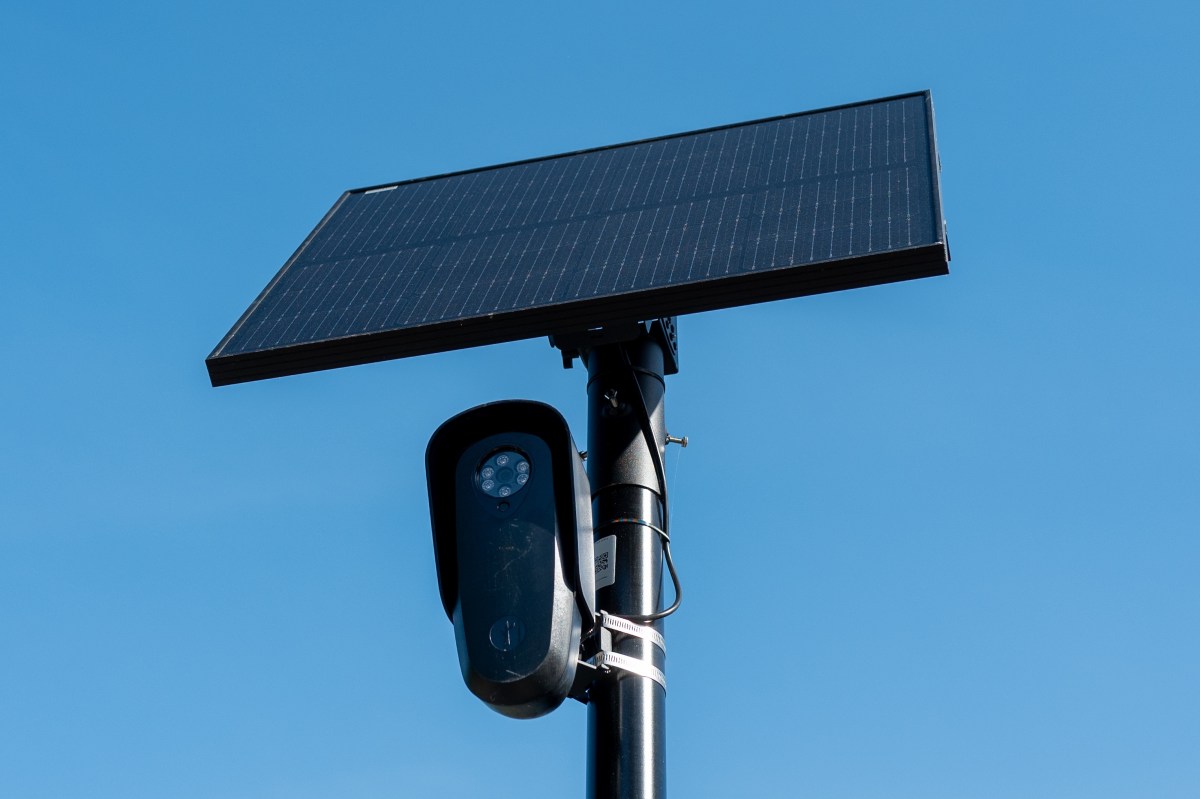
A recent story about Flock, a US surveillance technology company, shows exactly why that question matters. Flock sells automatic license plate reader cameras to police departments. Last month, it announced a new feature called “Audit Assistance” that claims to spot police officers abusing the system, like stalking ex-partners or running plates for personal reasons. The company says the tool has already helped catch several officers. But here’s the catch: Flock hasn’t explained how the tool actually works. No one outside the company knows what data it was trained on, what counts as “abnormal activity,” or how many false alarms it produces. Even the ACLU is calling it “window dressing” until independent evaluators verify it.
Now, you might be thinking: “That’s a police story, not a business story.” But swap “officers” for “employees” and “license plate cameras” for “your inventory system, your CRM, or your attendance tracker.” The same question applies to every Malaysian SME owner who trusts an automated alert without understanding how it was generated.
TL;DR
- Flock’s new audit tool claims to catch police abuse, but it won’t tell anyone how it detects “abnormal activity.”
- This matters for SMEs because most business automation tools also flag behavior without explaining their logic.
- Alyway ask your vendor three questions: What triggers an alert? What’s the false positive rate? And who reviews the data before you act?
What This Means
Flock’s Audit Assistance feature is a rules-based system, not AI. The company told TechCrunch it is “a data tool that flags atypical search patterns for further review.” An example: a police user searching for the same license plate using multiple different case codes. That could indicate someone is abusing the system. Flock also recommends police departments keep data for seven days instead of 30, and it now requires all customers to enable Audit Assistance by the end of the year.
Sounds reasonable, right? But the details are murky. Flock’s head of trust and compliance, Ashley Haber, described the tool as flagging “what may look like an odd search history from a specific user.” A Flock co-founder, Paige Todd, said it spots “a user searching the same plate repetitively for more than 30 days.” A police major called it “an algorithm that has notified us of any type of bias.” These descriptions are vague, and Flock hasn’t published any false positive or false negative rates.
“Unless we know the number of officers misusing the system, we cannot conclude if Flock and its auditing tools are catching 95% of violators or 5%,” said Chad Marlow of the ACLU in response to Flock’s announcement. “Flock needs to have its auditing tool analyzed by an independent evaluator.”
Source: TechCrunch
That’s the core issue. A tool that flags problems is only useful if you know how reliable it is. A tool that doesn’t explain itself is just a black box with a neon sign.
How This Applies to Malaysian SMEs
Walk into any Malaysian SME office and you’ll find some version of automation: a cloud-based POS that highlights suspicious refunds, a CRM that scores leads, a time-tracking app that warns you when employees clock in late repeatedly, or a workflow tool that flags invoices that don’t match purchase orders. All of these systems are designed to save you from manual checking. But how many of them actually tell you why they flagged something? The answer, for most SMEs, is “not enough.”
Consider a common scenario: you run a retail shop in Johor Bahru with 15 employees. Your POS automatically flags a cashier who processes three refunds in a day. The alert lands on your phone. You might interpret that as theft and confront the cashier. But what if the tool’s “abnormal” threshold is too low? What if a few customers genuinely returned items after a public holiday rush? Without understanding the rule behind the flag, you’re acting on a hunch, not evidence. That’s exactly the Flock problem in miniature.
Now think about your warehouse or delivery team. Many SMEs use GPS tracking or route optimization software. If the system flags a truck making an unscheduled stop, you might assume the driver is slacking off. But the alert might have been triggered by a data glitch, a wrong address entry, or even a traffic diversion. The tool doesn’t know context. Only a human review can confirm what actually happened. As a business owner, you need to design a process for reviewing automated flags, not just a process for receiving them.
There’s also the vendor accountability angle. Flock claims that “more than one-third” of its customers have enabled Audit Assistance since April, and it’s now mandatory by year-end. That’s a big adoption claim without any third-party verification. In the SME world, you might buy an expensive accounting software that promises “fraud detection in real time.” But if the vendor can’t tell you what inputs the detection algorithm uses — is it checking duplicate invoice numbers? Unusual vendor patterns? Amounts above a threshold? — then you’re putting your trust in a marketing slide. Don’t be afraid to demand better answers from your software vendors before you sign.
Lastly, Malaysian SMEs have to think about consent and trust. Your employees are people, not data points. If you install monitoring software that flags “suspicious behavior” without sharing the criteria with staff, you’re building a culture of fear, not accountability. Flock’s tool was meant to give police departments a way to catch bad actors. Instead, some critics pointed out that if the tool reports back to the same department that’s doing the abusing, it’s a “fig leaf.” The same logic applies to your business: an automated audit that only you see, with no independent review, can never truly protect your company.
Practical Takeaways for Your Business
- Ask your software vendor for the rulebook. Request a plain-language explanation of every alert your system generates. If they can’t explain it, treat the alert as a lead, not a verdict.
- Measure your own false positive rate. For every 10 automated alerts, how many turn out to be real issues? You don’t need a formal study — just track outcomes for a month.
- Assign a human reviewer. Before any disciplinary action or big decision based on an automated flag, have a manager or a second person manually verify the evidence.
- Set proportional retention. Like Flock’s shift from 30 days to 7 days, keep your business data only as long as necessary. Less data means less risk if someone accesses it later.
- Audit your auditing tool. Every quarter, review whether your automated monitoring is actually catching issues or just generating noise. Adjust thresholds based on real incidents.
A Quick Comparison: What Flock Discloses vs. What You Should Demand
| Aspect | Flock’s Audit Assistance (from article) | What Your SME Tool Should Give You |
|---|---|---|
| Specific detection rules | “Flags atypical search patterns” — vague examples only | Clear, documented rules: e.g., “alerts if refund count exceeds 3 per shift” |
| False positive / negative rates | Not published according to critics | Vendor shares performance metrics or you measure them yourself |
| Independent evaluation | ACLU says it needs “independent evaluator” — not done | Check reviews, ask for customer references, or run a controlled trial |
| Human intervention | Tool can “automatically lock out users” until admin intervenes | Your process should require a human sign-off before any automated action is taken |
The Bigger Picture
What’s happening with Flock is a preview of a larger trend: the rise of automated oversight. Every industry is building “AI watchdogs” that alert you when something looks off — whether it’s a bank detecting unusual transactions, a hospital flagging abnormal patient vitals, or a delivery company noticing sudden route deviations. The long-term direction is clear: more systems will monitor your systems. But without transparency, these watchdogs become just another problem to manage.
For Malaysian SMEs, the smart move is to build a culture of accountable automation now. That doesn’t mean abandoning technology. It means treating every automated alert as a starting point for human investigation, not a final verdict. It means asking vendors uncomfortable questions about how their tools work. And it means creating simple internal policies that say, “This flag is a lead, not a proof.”
The companies that get this right will be the ones that thrive. They’ll use automation to catch real problems early, while avoiding the nightmare of false accusations and broken trust. The companies that ignore it will keep their fingers crossed, hoping their algorithms are doing the right thing — and only finding out when it’s too late.
You don’t need to wait for regulators to force clarity. You can demand it from your very next software purchase. And when your dashboard lights up with a red alert, you’ll know exactly what to do next: ask, verify, and then act with confidence.
Ready to Streamline Your Operations?
Your business should run itself. AutoRunBiz deploys AI agents to automate your daily operations — WhatsApp orders, invoicing, customer follow-ups, and accounting. Book a free 15-min ops audit to see where automation fits your business →