
Your Employee Just Witnessed Something Horrible. Now What?
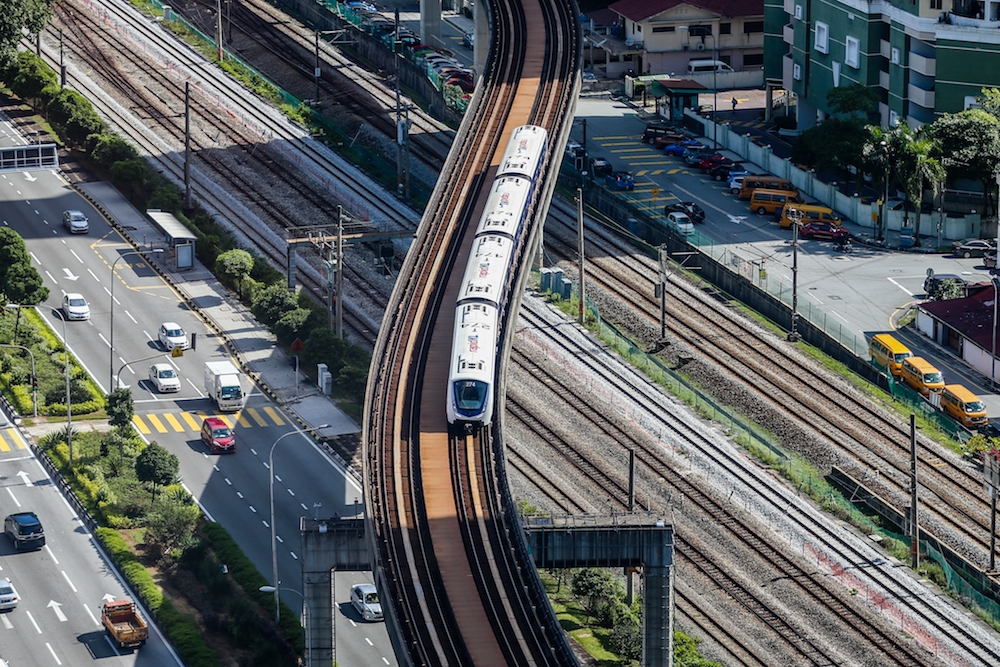
Picture this: it’s 8:30am, and your newest hire is on the Kelana Jaya Line, headed to the office. The train is packed between Sri Rampai and Setiawangsa. Suddenly, a woman screams. Someone is being restrained. Phones come out. By the time your employee reaches the LRT station, the story is already viral — and they’re shaken, late, and unsure how to process what they saw.
That’s not a hypothetical. Rapid KL confirmed an alleged sexual harassment incident this morning on the Sri Rampai–Setiawangsa stretch. The auxiliary police escorted both individuals to the Setiawangsa Police Station, and the case is under investigation. But here’s what most coverage misses: for you as a business owner, this is a wake-up call that has nothing to do with public transport operations and everything to do with how you run your company.
TL;DR: A public safety incident involving your staff — as witnesses, victims, or even bystanders — affects your daily operations, your company culture, and your reputation. Small and medium business owners in Malaysia need clear protocols for employee support, incident reporting, and crisis communication. This post breaks down exactly what to do, using the Rapid KL case as a real example.
What This Means: It’s Not About the Train, It’s About Duty of Care
When you read about the Rapid KL confirmation, your first thought probably isn’t “how does this affect my business?” But it should. Your team members commute to work every day using public transport, Grab, walking, and driving. They are exposed to all kinds of incidents — harassment, theft, accidents, or even a violent commotion like the one reported this morning.
When such an event happens, your employees don’t just leave it at the station. They bring it into your office. They arrive stressed, distracted, or sometimes traumatised. And if your business makes the mistake of ignoring it — or worse, penalising an employee for being late because they had to give a statement at a police station — you create a culture problem that will drive away talent.
The incident went viral on social media within hours. Imagine if your employee had been the one requesting help and another passenger had tagged your company’s handle. Would you know how to respond?
How This Applies to Malaysian SMEs: Your Real-World Playbook
Malaysian SMEs often operate with lean teams and no dedicated HR department. But that doesn’t excuse you from handling these situations properly. Here are three concrete ways the Rapid KL incident should change your thinking — starting today.
First, you need a “what to do if an employee is shaken” policy. Not every incident needs formal counselling, but every incident needs acknowledgement. If a staff member mentions they witnessed something like the Sri Rampai–Setiawangsa event, acknowledge it. Say, “That sounds really hard. Do you need a break or a few minutes to decompress?” That’s not fluff — that’s basic emotional intelligence. According to the police report timeline, the incident happened around 8.30am. Your employee would have arrived at their desk by 9 or 9.30am. If you don’t address what happened, they’ll fester in silence for the rest of the day — and your productivity suffers.
Second, automate your check-in and incident logging process. Here’s where automation genuinely helps. Instead of relying on a manager to notice that someone looks out of sorts, set up a simple anonymous check-in form. Tools like Google Forms, Typeform, or even a WhatsApp Business automated reply can let employees flag “I’m a witness to an incident and need support” without having to explain themselves in front of colleagues. The Rapid KL case shows that incidents happen suddenly and without warning. Your response shouldn’t be dependent on someone remembering to check on a colleague at the water cooler. Build a system where an employee can get support in two clicks, even if they’re not comfortable saying it out loud.
Third, prepare for public backlash — proactively. The viral nature of this incident means someone could easily post a video where your company’s lanyard or office building appears in the background. You might get tagged in a caption saying, “Look at the people on board, none of them helped.” Before that happens, decide on your social media policy. Who in your company responds to public criticism? What’s your default stance? For a small business, the safest default is: respond publicly with a human touch, then handle the details privately. Do not ignore it and hope it goes away. A single viral video can define your brand for months. Use automation like social listening tools to get alerts when your brand name is mentioned alongside keywords like “harassment” or “LRT”.
Practical Takeaways: Your Checklist for the Next 7 Days
- Create a one-page “Employee Safety Incident” document that any manager can use immediately — covering how to respond to a distressed employee, who to escalate to, and how to log the incident for internal tracking.
- Set up an anonymous incident reporting form for your company. It doesn’t need to be fancy. Use a free tool and get the link out to your staff in your next weekly message. Emphasise that using it for emotional support is okay too.
- Teach your managers basic psychological first aid. A 20-minute online workshop is enough. Know how to say “I’m sorry you went through that” without asking intrusive questions.
- Review your social media mentions policy. Decide who has approval rights on your business accounts if a crisis develops — and pre-draft a holding statement that doesn’t sound like a lawyer wrote it.
- Run a 15-minute team huddle discussing commuting safety and what to do if you see something suspicious. This normalises the conversation. Your team will feel safer just knowing you care.
“The moment a public incident happens, your company is being tested — not on whether you caused it, but on how you respond to the people affected by it. SMEs that show genuine care build deeper loyalty than any salary raise.”
A Simple Breakdown: What the Incident Means vs. What Your Business Should Do
| Incident Detail (from Rapid KL statement) | Business Consideration |
|---|---|
| Incident occurred while train was travelling from Sri Rampai to Setiawangsa | Employees who commute through this area may be affected — check in with any staff living in that corridor |
| Auxiliary police escorted both individuals to a police station | If your employee is involved as a witness, they may need time off for a police statement — plan for it |
| The case went viral on social media after a commotion | Be ready for second-hand reaction from your team — and possible online tagging of your business |
| Incident was believed to occur around 8.30am | Morning commuting times are high-risk — consider offering flexible start hours or reminders about safe travel |
The Bigger Picture: Safety Will Be a Business Metric
Ten years ago, discussing a sexual harassment incident on a train would have been taboo in a business meeting. Now, it’s an operational reality. As Malaysia’s cities grow and public transport gets more crowded — and as smartphones make everything instantly shareable — incidents like the one on the Kelana Jaya Line will only become more common. The businesses that thrive will be the ones that treat employee safety and wellbeing as an everyday operational task, not an afterthought.
Automation plays a subtle role here. It doesn’t solve every human crisis. But it removes friction from the most critical moment: the moment someone needs help. An automated check-in form, a responding WhatsApp bot, or an escalation workflow can make sure that no employee falls through the cracks. That’s The kind of quiet, practical support that builds a company people actually want to work for.
So, don’t just read the news and move on. Take the Rapid KL story and turn it into a small but serious policy change in your SME. Your employees may never mention it directly. But they’ll notice that you care — and that matters more than any marketing campaign you could run.
Ready to Streamline Your Operations?
Your business should run itself. AutoRunBiz deploys AI agents to automate your daily operations — WhatsApp orders, invoicing, customer follow-ups, and accounting. Book a free 15-min ops audit to see where automation fits your business →