
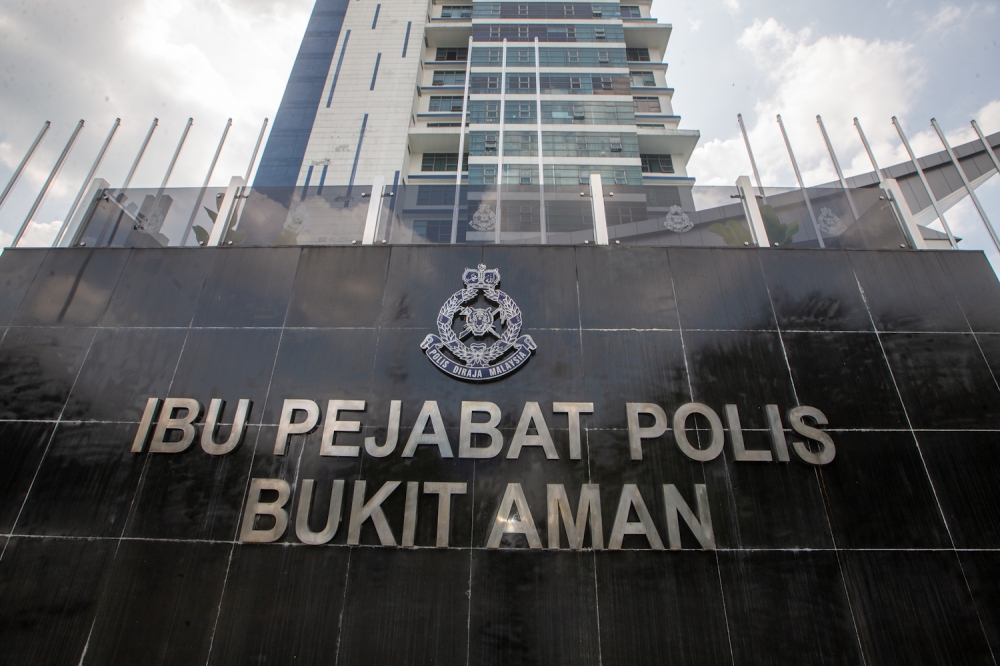
Pulled Over in Malaysia? Know Your Rights Before You Talk
You’re heading to a client meeting in Shah Alam. Your delivery driver is on the way to Port Klang. Your sales rep is driving back from a site visit in Johor. Then the roadblock appears. An officer waves you over. In that moment, what do you say? What does your team say?
Most business owners have never thought about this. And that’s exactly what makes it risky. We’ve all seen the movie version — “I want my lawyer!” — but real life in Malaysia works differently. The wrong response can turn a five-minute stop into a half-day ordeal, a missed delivery, or a shaken employee who doesn’t know their rights.
TL;DR: If police stop you, stay calm, note the officer’s name and ID, and ask if you’re under arrest. You’re generally only required to give your name, NRIC and address. You can politely ask why a phone or vehicle search is happening. If you’re arrested, you have the right to contact a lawyer and a family member.
What This Means
Let’s break down what actually happens. The Malaysian Bar’s Red Book is the practical guide to your rights during police encounters here. It covers roadblocks, phone searches, strip searches, and arrests. Here’s the plain-language version.
First, the police authority card. If an officer isn’t in uniform, you can ask to see it. The colour tells you who you’re dealing with: Blue means Inspector and above. Yellow means below the rank of Inspector. White means Reserve police. Red means a suspended officer with no police powers according to the Red Book.
| Card Colour | Rank Authority | What It Means |
|---|---|---|
| Blue | Inspector and above | Senior officer with full police powers |
| Yellow | Below Inspector | Standard police powers for that rank |
| White | Reserve police | Limited authority |
| Red | Suspended officer | No police powers at that moment |
Second, being questioned is not the same as being arrested. This is the single biggest misunderstanding Malaysians have. Police can stop you and ask questions without arresting you. You’re not required to follow them anywhere unless you’re under arrest. The clarifying question is simple: “Am I under arrest?” If the answer is no, you’re generally free to leave, and you do not have to accompany police to a station simply because they ask.
Third, your obligations are limited. If you’re simply stopped, you only need to provide your name, NRIC number and address under the Red Book guidelines. You’re not required to hand over your phone, explain your movements, or volunteer information about your business. And police cannot arrest you simply because they want you to give a witness statement.
How This Applies to Malaysian SMEs
Your business operates on the road. Delivery vans, sales teams, technicians, freelancers — every one of them is a potential subject of a police stop. It’s not paranoia; it’s daily reality. A “street stop” can happen at roadblocks, mall operations, or on the street in many routine situations. If your driver knows the basics, they stay calm, provide their particulars, and get back on the road. If they don’t, a routine stop can spiral into a missed delivery, an impatient client, and a panic phone call to you.
Consider the vehicle search scenario. Your company van is stopped at a roadblock. An officer wants to inspect the back. Your driver should be cooperative — but can also ask why the search is being conducted and whether they’re being investigated as the Red Book advises. This isn’t being difficult. It’s protecting your company assets. You have inventory, equipment and tools in that vehicle. You have a right to know why it’s being searched. Train your team to ask calmly and politely.
Now think about police visiting your premises. A customer dispute, a theft report, an accident involving a company vehicle — officers may want to “question” your staff. Many owners panic. But your staff should know that being questioned doesn’t mean being arrested. They can ask, “Am I under arrest?” If the answer is no, they don’t have to go to the station simply because they’re asked. They can decline politely and refer the officer to you. This is where an SOP matters: designate a senior person to handle police interactions, just as you would handle any other critical business situation.
And then there’s the phone. For SME owners, the phone is the office. Client contacts, supplier agreements, delivery routes, chat histories with staff. Police can inspect your phone lawfully if they reasonably suspect you’ve committed an offence, if you’re being investigated, or if you’ve been arrested under the updated Red Book. But your team should know they can ask why and whether they’re being investigated. A simple question, asked politely, takes five seconds and makes the officer’s reason explicit. That protects your staff and your business data.
“The most important question you can ask is ‘Am I under arrest?’ If the answer is no, you’re generally free to leave and do not have to accompany the police to a station simply because they ask.”
Practical Takeaways
- Stay calm and polite. Be cooperative without volunteering extra information.
- Note the officer’s name, identification number, and police vehicle registration.
- If the officer is not in uniform, ask to see their police authority card.
- Ask: “Am I under arrest?” and “Why am I under arrest?”
- If you’re simply stopped, you only need to give your name, NRIC and address.
- If your vehicle is searched, ask why and whether you’re under investigation.
- If asked to empty your pockets or bag, remove the contents yourself — don’t let officers reach in.
- For female staff: any body search must be conducted by a female officer as the Red Book states.
- If arrested, ask which police station you’re being taken to, and inform your family or lawyer.
- Share this checklist with your team and keep a copy in every company vehicle.
The Bigger Picture
For a growing business, consistency is everything. You automate your invoicing, you document your workflows, you train your staff on how to handle difficult customers. Treating a police stop the same way is not a failure of trust — it’s a standard of professionalism. When your team knows what to say, what to ask, and what they’re not required to do, interactions become shorter, safer, and less stressful for everyone.
The long-term trend in Malaysia is toward clearer rules for police encounters. The Malaysian Bar updates the Red Book periodically to reflect current law to help Malaysians understand their rights. The more business owners and employees understand their rights, the smoother everyday encounters go. That’s good for your business, good for your staff, and good for the country.
So here’s your next step: send this to your team. Print the checklist. Put it in the glove compartment of every company vehicle. It takes ten minutes, and it might save you a very long afternoon.
Ready to Streamline Your Operations?
Your business should run itself. AutoRunBiz deploys AI agents to automate your daily operations — WhatsApp orders, invoicing, customer follow-ups, and accounting. Book a free 15-min ops audit to see where automation fits your business →