
The Hidden Cost Behind the Software Your Business Runs On
Think about your morning routine. You open your cloud accounting dashboard to check yesterday’s sales. Your team logs into the shared drive. The QR ordering system at your outlet pings with a new order. None of this feels heavy. It’s just… software. Lightweight, instant, invisible.
But every one of those clicks travels to a data center somewhere — a massive warehouse of servers running 24/7. And those servers need electricity. A lot of it. The service that feels weightless to you is propping up one of the most energy-hungry industries on the planet.
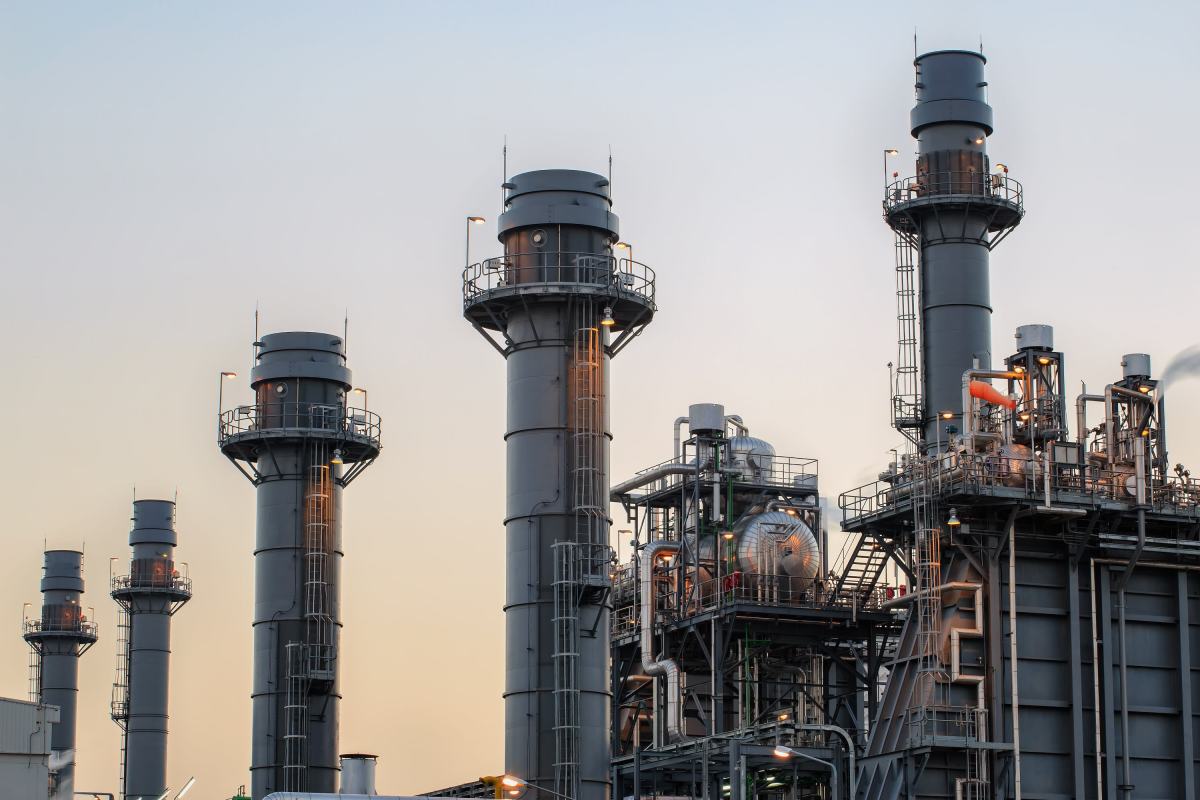
That’s why a recent report about Amazon’s planned data center in Texas should grab your attention, even though it’s half a world away. The company is building an on-site natural gas power plant to feed one data center — and that single plant is permitted to release 33 million tons of carbon dioxide per year.
To put that in context: it would make this one data center the biggest climate polluter in the entire United States. Not a factory. Not an airline. A data center — the very thing that makes your cloud software feel so clean and effortless.
TL;DR: AI is driving a massive surge in data center energy use, and tech giants are turning to natural gas plants to keep up. Amazon’s carbon emissions are already up 16% in a single year. For Malaysian SMEs dependent on cloud tools and AI, this points to a future of sustainability reporting, provider scrutiny, and a growing need to pay attention to where your digital power comes from.
What This Means
Let’s simplify. Data centers are giant storage and processing hubs. Every photo you back up, every invoice you generate online, every chatbot conversation on your e-commerce store — it’s all processed in buildings like these. They run on electricity drawn from the local grid, and increasingly, from power plants built specifically for them.
For years, data centers had a fairly stable energy appetite. Then generative AI arrived. Training and running AI models requires enormous amounts of electricity, and demand keeps climbing. Rather than waiting for clean energy to catch up, several tech companies are now backing the development of large natural gas plants to support their data centers.
That’s the core tension: AI companies need speed and reliability, and gas plants deliver both. But they come with a heavy carbon load. Amazon also saw its emissions rise last year — the wrong direction for a company that pledged to eliminate its carbon emissions by 2040. When Amazon’s spokesperson said, “The world looks different now than when we co-founded the climate pledge,” what they’re really saying is: AI changed the math.
When the world’s largest cloud providers start building gas plants to keep AI running, every business relying on the cloud inherits a share of that pollution — without ever seeing a single server.
How This Applies to Malaysian SMEs
Now, the part that matters to you. You might be thinking: “I run a 20-person company in Petaling Jaya. What does a Texas power plant have to do with me?” More than you’d expect.
First, your business runs on cloud infrastructure whether you realise it or not. Your accounting software, e-invoicing platform, HR system, e-commerce store, even your WhatsApp Business communication — they’re all hosted in data centers operated by global providers. When these companies face energy constraints or carbon pressure, it shapes their investment priorities, service reliability, and long-term commitment to clean power. That trickles down to the tools you depend on daily, even if you never see a utility bill for them.
Second, Malaysia is in the middle of its own data center growth. Global tech companies have announced cloud regions in Johor and other states, drawn by our land, infrastructure, and relatively stable connectivity. This brings jobs and economic activity, but it also puts pressure on the national grid and raises questions about environmental trade-offs. For SMEs, this isn’t abstract — the infrastructure your business relies on is being built right now, with the same hard choices around energy sources that Amazon is making elsewhere.
Here’s the practical angle: in the next several years, larger corporations in Malaysia — especially government-linked companies and listed firms — will likely start asking suppliers about their environmental footprint. Sustainability reporting is steadily moving from optional to expected. And when they report, they’ll ask businesses like yours to document emissions, including the “scope 3” emissions embedded in the digital services you consume. Right now, that may feel distant. But e-invoice adoption and recent digital reporting requirements have already shown Malaysian SMEs that regulatory change arrives faster than anyone predicts.
I’m not suggesting you panic or rip out your cloud systems. Cloud software is far more efficient than running your own servers in a back room, and automation remains one of the smartest moves a small business can make. But understanding where your digital tools get their power — and choosing providers that invest in cleaner energy — is becoming part of basic business awareness, not just a marketing afterthought.
Practical Takeaways for Your Business
- Know which providers power your stack. Check the sustainability commitments of your major software vendors. Are they investing in renewable energy, or quietly building gas plants?
- Run an “AI footprint” check. You’re likely using AI already — auto-generated product descriptions, customer service chatbots, translation tools. Good. Just understand that each AI interaction consumes more energy than a standard search. Use AI where it genuinely earns its place.
- Ask your cloud vendor one question. At renewal time, ask: “What’s the carbon intensity of the data center hosting my data?” You may not get a clear answer yet, but asking creates demand for transparency.
- Start simple energy documentation now. Keep a basic record of your electricity usage, cloud subscriptions, and travel. When reporting requirements reach you, the data will already be on file.
- Watch Malaysia’s energy direction. National energy policy shifts matter. If the grid moves toward cleaner sources, every business in the country benefits automatically — including yours.
The Data Behind the Story
| Data Point | What It Tells You |
|---|---|
| 33 million tons of CO2 permitted per year for one Amazon data center power plant | Single data centers can now rival entire industries in pollution |
| Amazon’s emissions up 16% in one year | AI growth is pushing emissions in the wrong direction, even for companies with climate pledges |
| Amazon’s net-zero-by-2040 pledge remains in place | Long-term climate goals are being quietly renegotiated behind the scenes |
| Tech companies backing large natural gas plants for data centers | Speed and reliability are winning over clean energy in the short term |
The Bigger Picture
Step back for a moment. This isn’t really about Amazon. It’s about whether the digital economy — including the AI tools you’re just starting to use — can grow without overwhelming the climate. Over the next few years, three things will play out that affect your business.
First, energy constraints will shape where and how cloud providers build infrastructure. That affects which regions get new data centers, how resilient the services you rely on are, and what choices providers make about power sources.
Second, carbon documentation will likely creep into SME expectations in Malaysia over the next five to ten years, especially if you supply larger enterprises or sell overseas. The businesses that start tracking early will avoid the scramble later.
Third — and this is the reassuring part — this same pressure will accelerate investment in renewable energy and cleaner data centers. The businesses that position themselves as aware, efficient, and transparent will be better placed when partners and customers start asking harder questions.
You don’t need to solve the world’s energy crisis. But you do need to understand that the software you run your company on has a physical footprint. The smartest move? Pay attention, ask your vendors the right questions, and keep your own operations as efficient as possible. That’s not about being green for the sake of it. It’s about building a business ready for what’s coming.
Ready to Streamline Your Operations?
Your business should run itself. AutoRunBiz deploys AI agents to automate your daily operations — WhatsApp orders, invoicing, customer follow-ups, and accounting. Book a free 15-min ops audit to see where automation fits your business →