
Skip the Booth: Host a Side Event That Gets You Seen
You’ve spent months building something worth talking about. Then you look at what it takes to exhibit at a major tech conference, and the room feels closed to any company that hasn’t raised a huge round. So you stay home, keep grinding, and hope someone discovers you. That’s the old way.
Here’s what actually happens at big conferences: the best conversations don’t happen on the stage. They happen at the rooftop mixer, the breakfast meetup, the small room where a founder pitches 12 investors over less-than-glamorous coffee. TechCrunch noticed this, and built an entire program around it.
TechCrunch Disrupt 2026 takes place at Moscone West in San Francisco from October 13–15, but the official Side Event program opens the whole week of October 10–16 to anyone with a good idea and a place to host. You can put your company’s name next to one of the biggest tech brands in the world — no sponsorship package required.
TL;DR: TechCrunch is taking applications to host Side Events during Disrupt week until September 4. You design the format, handle the venue and registrations, and TechCrunch promotes your event to an audience of more than 10,000 founders, investors, and community members. For Malaysian SMEs, this is both a shot at global attention and a playbook you can copy for local and regional industry events.
What This Means
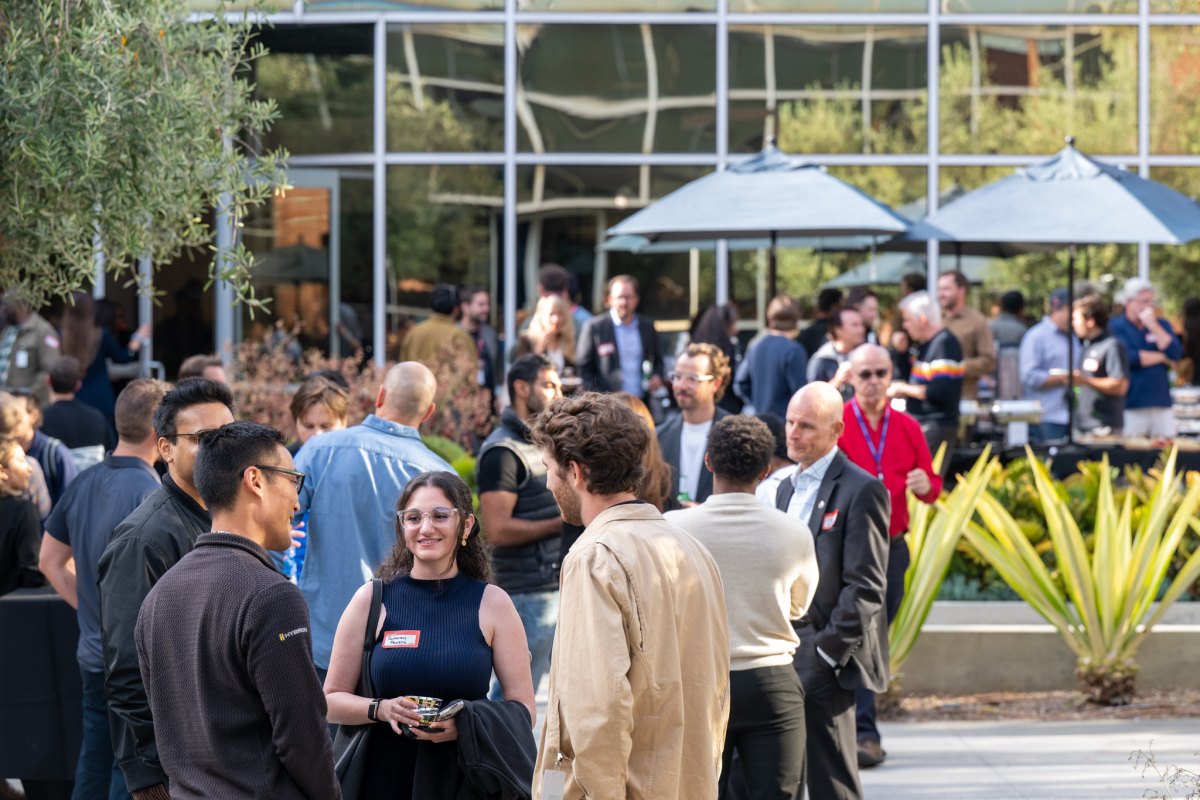
A Side Event is exactly what it sounds like: a smaller, self-organized gathering that runs alongside a big conference. It’s not on the main stage. It may not even be inside the venue. It’s a founder mixer at a bar, an early-morning run club, a themed party, or a focused panel — anything that brings people together. Last year’s lineup included VIP penthouse mixers with major cloud players, founder pitch nights, community meetups, running clubs, and late-night AI debates.
The deal is straightforward. You own the format and take responsibility for the logistics — venue, registrations, and a good share of the promotion. TechCrunch then spreads the word through its Side Events page, agenda, app, and attendee emails. You bring the idea and the effort; they bring the audience and the credibility.
“One of the best parts of the program is that it’s a wide-open opportunity. If you have a good idea for a theme and a place to host, you’re well on your way toward applying to host one.”
That quote, straight from the program announcement, tells you everything about the entry bar. It’s not about your company’s size, funding history, or media recognition. It’s about whether you can organise something people genuinely want to show up to.
How This Applies to Malaysian SMEs
Let’s make this practical. You run a Malaysian SME with somewhere between one and 50 staff. San Francisco may feel like a different universe — and maybe it is. But the principle behind this program is something you can use at three different levels.
First: you can actually go and host. If you’re a Malaysian founder looking for international clients, foreign investors, or a door into the US market, this is a direct route. More than 10,000 founders, investors, and tech professionals will be in the Bay Area that week. A well-run side event — a “Southeast Asia Market Entry” breakfast, or a networking hour built around Malaysian tech culture — puts you face to face with people you’d never reach by cold email. You don’t need to be a sponsor. You need a theme, a room, and a registration link.
Second: you don’t need San Francisco to use the playbook. Watch what happens when a major conference lands near us — Tech Week Singapore, or the growing cluster of tech and startup events in Kuala Lumpur. The official stage belongs to large corporates and funded startups. But the side conversations are open to anyone. You can host your own satellite event using the same logic: pick a theme tied to your industry, book a co-working space or a café function room, set up a simple registration page, and ride the attention the main event draws into town. Your SME stops being just another attendee and becomes the connector. That kind of positioning is hard to replicate any other way.
Third: use automation to carry the weight. The program is honest that hosts are responsible for the venue, registrations, and a degree of promotion. For a small team, that’s four extra jobs appearing overnight. This is where automation earns its keep: email sequences that handle confirmations and reminders, a registration form that feeds straight into your customer database, automatic calendar invites, and even a WhatsApp auto-reply for “where is this event?” on the day itself. Running a side event cleanly is a live demo of how your SME operates — and that impression stays with people long after the event ends.
Here’s the responsibility split, straight from the program details:
| TechCrunch does | You do |
|---|---|
| Promotes your event on the Side Events page, agenda, app, and attendee emails | Choose the format — mixer, panel, run, party, breakfast |
| Puts your event in front of 10,000+ attendees already in town | Secure the venue and run registrations |
| Adds the Disrupt banner to your event’s public listing | Handle day-of coordination and follow-up |
| Approves applications with a September 4 deadline | Bring the community and your own promotion |
Practical Takeaways
- If you’re considering Disrupt, draft a one-page concept before September 4. Target a specific community — SEA founders, fintech, AI in manufacturing — not a generic “networking” label.
- Choose a format that matches your team’s capacity: a 45-minute panel, a 90-minute breakfast, or an evening session. You own the format, so design something you can actually deliver well.
- Set up the registration page and confirmation email flow first. Automate the reminders so no one who signs up gets forgotten.
- Find one complementary business to co-host with. One of you takes the room, the other takes the promotion.
- Run a local test run: pick a conference happening near you in the next six months and host a small side event of your own, even for just 20 people.
The Bigger Picture
What you’re watching here is the slow end of the “pay to play” era of visibility. For years, the default move for a small company was to book exhibition space and hope foot traffic turned into leads. Returns on that approach have shrunk. Conferences themselves are realising that the stage has limited seats, and that community-led events create the genuine connections attendees remember — and post about.
For Malaysian SMEs, the long-term trend is encouraging. The barrier to being seen is dropping, but the cost of being ordinary is rising. Anyone can host an event. The difference will come down to the community you’ve already built, the niche you choose, and how smoothly your operations run behind the scenes. That last part is exactly what business automation is for — and it’s the quiet advantage you carry into any room.
Ready to Streamline Your Operations?
Your business should run itself. AutoRunBiz deploys AI agents to automate your daily operations — WhatsApp orders, invoicing, customer follow-ups, and accounting. Book a free 15-min ops audit to see where automation fits your business →