
The approval you didn’t know you needed
You might have skimmed past the headline about Vogue hosting its massive Vogue World event in San Francisco next year and thought, “Good for them, but what does a fashion magazine have to do with my business in Malaysia?”
That reaction is fair. Between managing your team, keeping customers happy, and watching your cash flow, the movements of a New York fashion editor feel like they belong to a completely different universe. But here’s the thing: when a publication that has dictated cultural taste for over a century decides to plant its flag in a tech city, it’s not just about clothes. It’s a signal about where power, money, and influence are heading globally. And the ripples of that shift eventually reach every business, including yours.
The TL;DR: Tech is no longer just a utility you use to run your business; it’s becoming the center of mainstream culture and for business owners, this means the “boring” tech you’ve been avoiding is arguably becoming the most important tool for your brand’s survival. If you run a small or medium enterprise in Malaysia, this isn’t a time to watch from the sidelines; it’s time to think about how you’re adopting and presenting your use of tech to the market.
What This Means: The Branding of Tech
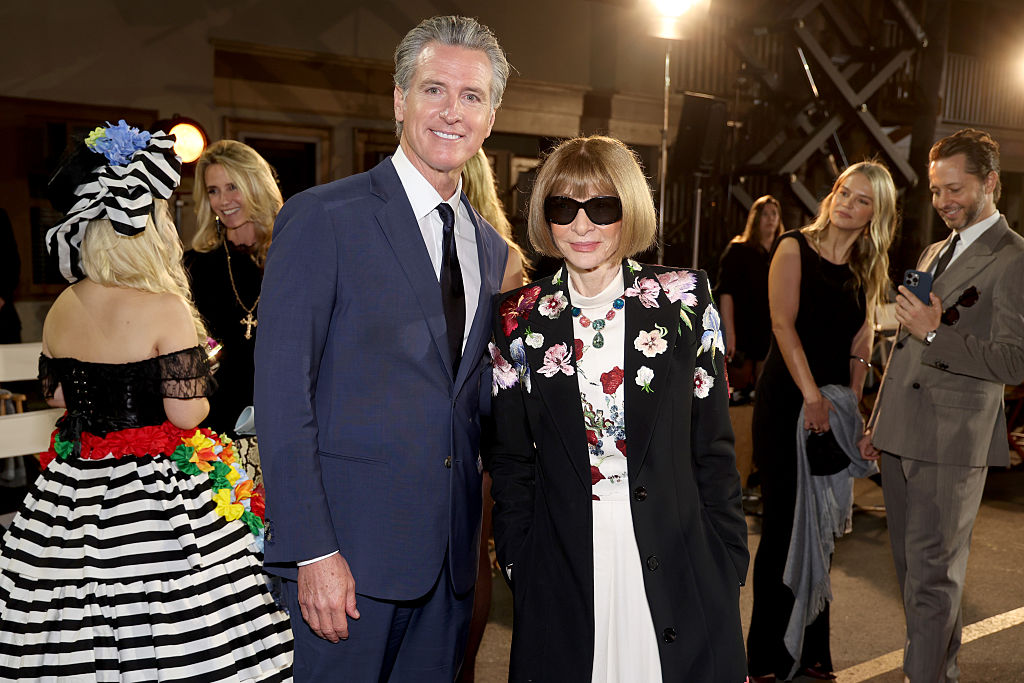
Let’s break this down in plain terms. For a long time, tech were the nerds in the backroom. You used their products—your accounting software, your order management system—but you certainly didn’t invite them to the cool parties. The article on TechCrunch points out that this year’s Met Gala was dubbed the “tech gala,” with the likes of Meta’s Mark Zuckerberg and Google’s Sergey Brin in attendance, and OpenAI even buying a table. Anna Wintour is “following the money,” and right now, that money is chasing artificial intelligence and software.
This isn’t just about billionaires buying expensive tickets. It’s about perception. When Vogue validates tech culture, it stops being “geeky” and starts being “aspirational.” It means that the tools you use and the way you use them are becoming part of your brand identity. It’s no longer enough to have a Facebook page; the question is whether you are using the latest software to serve your customers better than the guy down the street.
“Innovation is not just about building the next big app. It’s about telling the world—and your customers—that you aren’t afraid of change. Vogue’s move shows that the most forward-thinking brands in the world are betting on tech to lead the cultural conversation.”
How This Applies to Malaysian SMEs
You might be thinking, “I’m not a billion-dollar startup, I run a clinic in PJ, or a food supplier in Penang or a boutique in Johor Bahru.” That’s exactly why this matters to you. The “cool factor” of technology filters down from the top. If the biggest cultural tastemakers in the world are telling consumers that AI, smart software, and automation are the future, your customers are listening. They are starting to expect that level of “tech-forward” service from everyone—including you.
Take, for example, your customer service. In the past, a WhatsApp message answered during business hours was impressive. Now, with affordable automation tools, customers expect immediate responses at 10pm on a Saturday. The fact that Zalora and Shopee are using AI to predict what customers want means that the average Malaysian consumer is already getting a “tech-enhanced” experience from big players. When they buy from you, they subconsciously expect a similar smoothness. They are not looking for Crocs and hoodies, but they have changed their demands. They want a business that moves as fast as their social media feed. If you’re still using manual spreadsheets to track inventory or writing out invoices by hand, the message you’re sending is that you’re stuck in the past. As the line blurs between the “tech gala” and the “fashion gala,” your reputation is now tied to your digital capabilities.
Furthermore, consider your branding. The tech style—sometimes associated with hoodies and faded t-shirts—is giving way to a cleaner, more creative image, as seen in campaigns like the new adverts for Meta Glasses, which are high-fashion and sleek. This is a lesson for Malaysian SMEs: the way you present your business to the world matters more than ever. Customers are making decisions based on your website design, your social media presence, and your willingness to engage with new platforms like TikTok. If you pair your business with robust, efficient tech that allows you to focus on creative marketing (instead of admin work), you can position yourself as a modern, relevant brand. You are not just selling a product; you are selling confidence and ease.
Finally, there is the internal culture aspect. The article mentions that creatives are looking at Silicon Valley’s minimalist style for inspiration. For SMEs in Malaysia, this translates to automation. When you automate manual tasks—like data entry, reporting, or even scheduling social media posts—you give your team the bandwidth to be creative. Your staff can focus on customer relationships and on building your brand image, rather than being buried in tedious paperwork. This is how you compete with the big companies that have entire tech teams. You don’t need a supercomputer; you need smart business automation tools that handle the heavy lifting.
Practical Takeaways for Your Business
So, how do you bridge the gap between a Vogue event in San Francisco and your daily operations in Malaysia? It is simpler than you think. You don’t need to buy a table at a gala, but you can update your business infrastructure to be relevant.
- Audit Your Tech Stack: List every manual process in your business. Is there software that can do this for you? Look at automating bank reconciliations, invoice reminders, and customer follow-ups.
- Invest in Speed: If your competitors reply to queries in minutes, you must aim for seconds. Implement clever chatbots or automated WhatsApp responses to keep you at the forefront.
- Update Your Branding: Look at your website. Does it look like it was built in 2015? The “tech aesthetic” is now about clean, clear, and fast design. Make sure your digital front door is welcoming and reliable.
- Focus on Data: Start collecting and understanding customer data. Who buys from you? When? Why? Use these insights to personalize your offerings, just like the big tech brands do.
The Shift in Consumer Expectations
As Vogue says, San Francisco is a city that “isn’t afraid of change.” This is the mindset that will separate thriving SMEs from struggling ones in Malaysia. The way we work and shop is evolving rapidly. Below is a snapshot of how business priorities are shifting, driven by tech’s new mainstream status:
| The “Old School” Way | The Tech-First Way (What Customers Expect Now) |
|---|---|
| Static “FAQ” pages | Instant, personalized chat support |
| Manual inventory tracking | Real-time, automated stock alerts |
| Mass marketing campaigns | Targeted, data-driven personalization |
| Business hours only | 24/7 support and automated workflows |
| Hiring more staff for admin | Using automation for efficient operations |
The Bigger Picture
This isn’t a fleeting trend or just another fashion fad. The presence of tech leaders in Vogue signals a permanent merging of industries. Ultimately, every business is becoming a tech business. By adopting automation and modern software, you’re not just optimizing your operations; you’re also signaling to the market that you’re a leader, not a laggard. When you separate yourself from those who are “afraid of change,” you align yourself with the future that customers—and investors—are moving toward.
You don’t have to wear a designer gown to get on board, but you should start looking at your cloud accounting software and CRM like they are your best business assets. Because now, more than ever, they are.
Ready to Streamline Your Operations?
Your business should run itself. AutoRunBiz deploys AI agents to automate your daily operations — WhatsApp orders, invoicing, customer follow-ups, and accounting. Book a free 15-min ops audit to see where automation fits your business →