
Your Next Competitor Might Not Have a Driver
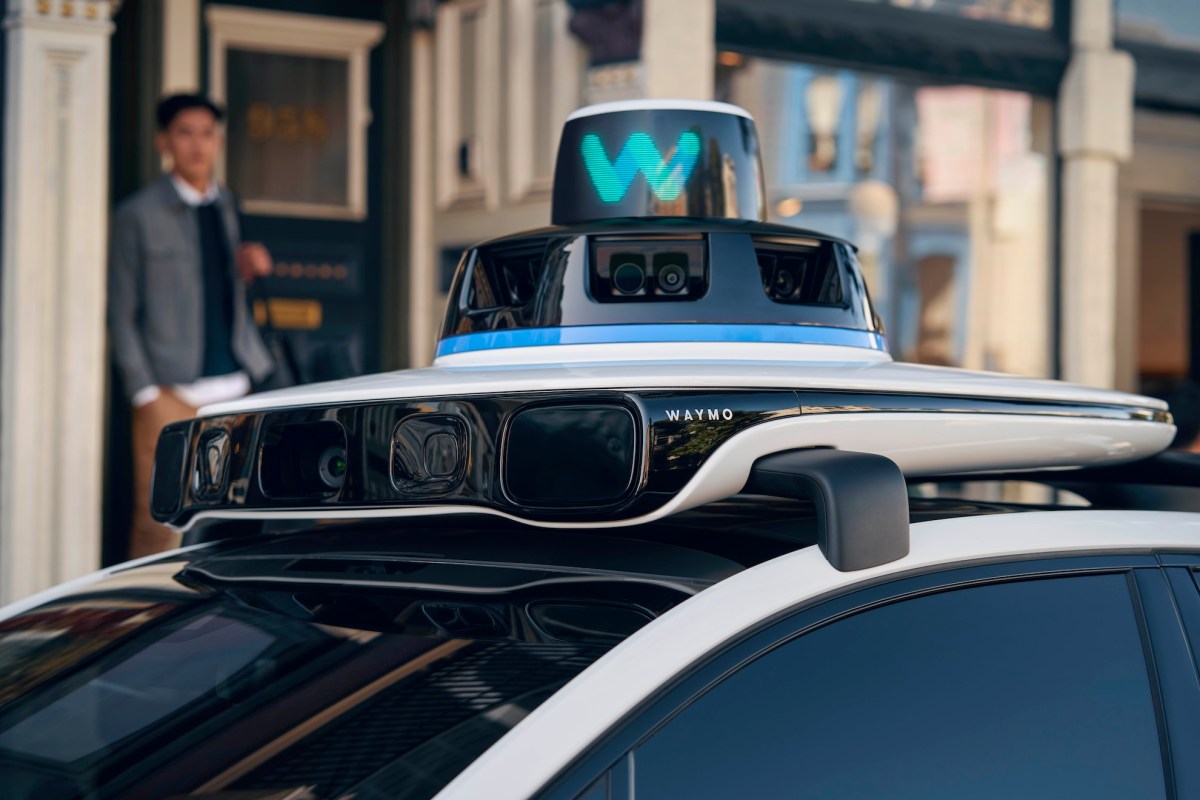
Picture this: you open an app, and a car with no one in the driver’s seat pulls up to take you across town. That is now reality for everyone in Dallas. On August 4, 2026, Waymo dropped the waitlist for its robotaxi service and opened it to all residents and visitors (TechCrunch). Why should you, a Malaysian SME owner, care about a taxi story on the other side of the world? Because this is the clearest signal yet that automation is leaving the pilot stage and becoming a mainstream operational playbook — one you can borrow from, starting tomorrow.
What Just Happened in Dallas
Waymo announced Tuesday that anyone can now download its app and immediately hail a robotaxi (TechCrunch). The service was first opened to the public in February, but only through a waitlist. During that limited period, about 150,000 riders used the Waymo app (TechCrunch). The waitlist removal follows the same playbook Waymo used in Phoenix, Los Angeles, and San Francisco (TechCrunch). One notable gap: riders still cannot hail a ride to Dallas Love Field Airport because Waymo continues testing there and expects to serve the airport “soon” (TechCrunch).
The road to full public access was not smooth. In May, Waymo paused its service in Dallas, Houston, San Antonio, and Atlanta because its self-driving vehicles struggled with heavy rain and flooded roads (TechCrunch). Services have resumed, but the company has made it clear that it may adjust or temporarily pause operations based on severe weather, flood warnings, and real-time conditions in the future (TechCrunch). Behind the scenes, Avis Budget Group manages the all-electric Jaguar I-Pace fleet, handling depot operations, charging, and maintenance (TechCrunch).
Why This Matters for Malaysian SME Owners
The weather pause is the part you should study closely, especially if your business touches logistics, delivery, or field service. You know what Malaysian rain is like. Flash floods can hit Kuala Lumpur, Penang, or Johor Bahru within minutes. Waymo’s response was not to abandon autonomy — it was to build weather awareness into its operations and check conditions in real time (TechCrunch). Apply that same logic to your own automation. Whether you automate your inventory system, your delivery scheduling, or your customer follow-up sequences, you need a “heavy rain” mode. Automation is not about running on autopilot without judgment; it is about being reliably consistent even when the environment shifts. If your automated WhatsApp booking system does not know how to handle a public holiday shutdown or a supplier delay, you have built fragile automation, not real automation.
Then there is the rollout lesson. Waymo did not throw the doors open and let everyone flood in at once. It used a waitlist, observed how the system behaved, built trust, and then scaled (TechCrunch). For you, this is the right way to adopt any new system in a small team. Do not connect a brand-new AI chatbot to every customer channel on day one. Start with a small group of trusted customers as your “waitlist,” gather feedback, fix the edge cases, and then widen access. Your SME has between 1 and 50 employees — you do not have the luxury of absorbing a large-scale failure. A staged rollout is not slower; it is smarter.
The Bigger Picture
Waymo’s Dallas expansion proves that the automation playbook is no longer a trade secret. A driverless fleet is running a full metro operation with fleet partners, real-time weather checks, rider apps, and exception handling (TechCrunch). If a robotaxi company can orchestrate all those moving parts, a Malaysian SME can orchestrate its own customer operations, billing workflows, and marketing sequences with modern automation tools. The distance between Waymo’s complexity and your daily operations is much smaller than you think.
The deeper story is about customer expectations. When people in Dallas grow comfortable hailing an empty car, they will eventually walk into shops in Kuala Lumpur, Penang, or Kota Kinabalu and expect the same level of self-service speed. The standard of convenience rises every time a city gets a seamless automated service. Your customers already message you on WhatsApp at midnight and expect an instant reply. The question is not whether automation is coming for Malaysian SMEs. It is already here. The question is whether you will use the waitlist-and-weather approach to build it responsibly, or let the rain surprise you.
“Waymo said it may adjust or temporarily pause operations based on severe weather, flood warnings, and real-time conditions in the future.” — Waymo spokesperson via TechCrunch
| Stage | Waymo’s Playbook | Your SME’s Playbook |
|---|---|---|
| 1. Controlled start | Waitlist access, limited pool of ~150,000 early riders | Pilot your new AI tool or workflow with selected customers first |
| 2. Partner leverage | Avis handles charging, maintenance, and depot operations | Use existing platforms like WhatsApp Business or cloud tools instead of building everything in-house |
| 3. Exception handling | Pause or adjust based on rain, floods, and real-time conditions | Build fallback rules for holidays, stock-outs, and supplier delays |
| 4. Full public opening | Open to all residents and visitors with no waitlist | Scale to all customers only after your system handles edge cases consistently |
The takeaway is simple. Waymo’s robotaxis are now part of everyday life in Dallas, rain or shine. For your Malaysian SME, the same discipline applies: start controlled, partner smart, expect the weather, and open up only when you are ready. That is how you build trust — one ride, one customer, one flood-free month at a time.
Ready to Streamline Your Operations?
Technology moves fast. Your operations should keep up. AutoRunBiz builds AI systems that run your daily workflows — from WhatsApp order capture to accounting. Book a free 15-min ops audit →