
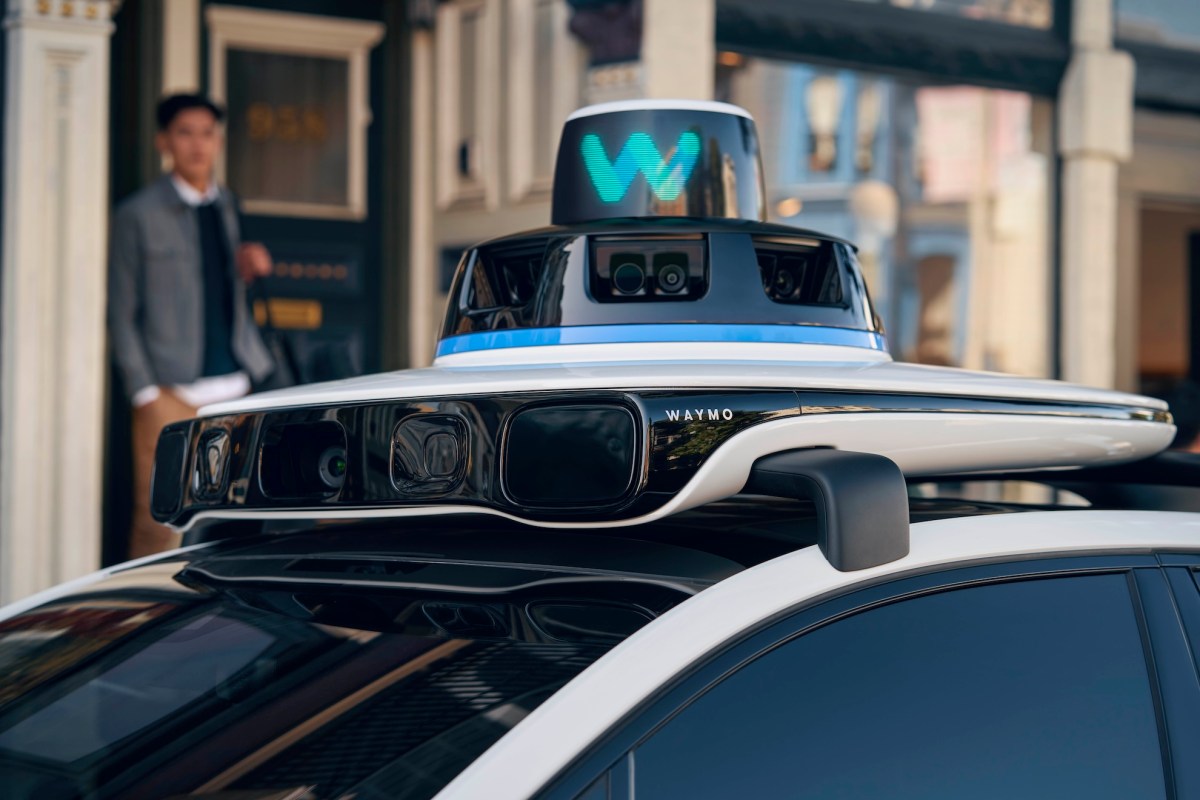
Your Business Already Faces What Waymo Just Solved
Picture this: a flash flood in your area. Your delivery van can’t move. Wholesale supplies are stuck at the warehouse. And customers are messaging, asking where their orders are. If you stay quiet, they assume the worst. If you’re lucky, they come back. If you’re not, they’re already ordering from a competitor who actually talked to them.
That’s exactly the situation Waymo, the Alphabet-owned autonomous vehicle company, found itself in this year. In May, Waymo paused its robotaxi service in Dallas, Houston, San Antonio, and Atlanta because heavy rain and flooded roads caused problems for its self-driving cars. They resumed the service. They didn’t pretend it never happened. And now, they’re pulling off their biggest expansion move yet.
This week, Waymo dropped the waitlist for its robotaxi service in Dallas. Anyone — resident or visitor — can download the app and hail a driverless car immediately. That might sound like a US-only story for technology giants. But the playbook Waymo just ran is one you can copy in your business today.
TL;DR
- Waymo opened its Dallas robotaxi service to everyone after a controlled waitlist phase that drew 150,000 app users.
- They paused operations in May due to flooding, resumed, and now use real-time weather status updates to keep riders informed.
- Malaysian SMEs can replicate this: controlled rollouts, honest disruption communication, and outsourcing non-core work.
What This Means
Let’s strip away the jargon. A robotaxi is just a car that drives itself. You hail it with an app, it picks you up, and it takes you where you need to go. No driver. Waymo started this in Phoenix, then moved to Los Angeles and San Francisco. Now Dallas is open to everyone with no waitlist.
Here’s the timeline worth paying attention to. Waymo has had a presence in Dallas since last year, testing its technology on public streets. In February 2026, it opened to the public — but only through a waitlist. During that period, about 150,000 riders used the Waymo app. Now the waitlist is gone, following the same playbook Waymo used in every other market.
One notable detail: you can’t yet hail a ride to Dallas Love Field Airport. Waymo says it’s still testing at the airport and expects to serve riders there “soon.” And in May, the service paused in four cities because of problems with heavy rain and flooded roads. They later resumed, with a promise to adjust or pause operations based on severe weather, flood warnings, and real-time conditions — and riders can check service status anytime in the app.
Why should a Malaysian SME owner care? Because every one of these moves is a lesson in running a business when you’re not in control of everything.
How This Applies to Malaysian SMEs
1. The waitlist is a strategy, not a penalty.
Waymo didn’t open its doors to everyone on day one. They tested, built a small group of users, and used that period to find problems before scaling. Malaysian businesses often do the opposite: they launch a new service to the entire market on the same day, and only then discover the flaws. Think about your last product launch. Did you test it with a handful of trusted customers first?
A controlled rollout looks like this: invite your top 20 regular customers to try your new service before anyone else. Ask them for feedback. Fix the problems. Then open it to everyone. You’ll lose fewer customers to avoidable mistakes, and the early group feels like insiders. Waymo just proved this approach works at massive scale — 150,000 riders used the app during the waitlist phase. Imagine what 150 enthusiastic customers could do for your business.
2. Weather disruption is a Malaysian reality — plan for it.
Malaysia experiences monsoon seasons and flash floods every year. Your business — whether you run food delivery, e-commerce, or logistics — will face days when rain makes it impossible to move. Waymo, a company with enormous engineering resources, paused its entire service in four cities because of heavy rain. They didn’t force it. They didn’t pretend. They stopped, adjusted, and resumed.
Do you have a flood standard operating procedure? If a storm hits your area tomorrow, do you know exactly which deliveries you can make, which you can pause, and how you’ll tell customers? Most SMEs don’t, and improvisation in a crisis leads to silent customers and lost trust. A simple playbook — posted in your team group chat — makes all the difference.
3. Communicate disruptions before customers ask.
Here’s the part I want you to memorise: Waymo tells its riders to check the app for real-time service status. When weather is bad, they don’t wait for passengers to wonder where their ride is. They make the status visible. The equivalent for your business is a WhatsApp Business status update, a pinned message on your Facebook page, or an automated reply that says, “We’re pausing deliveries due to flooding. We’ll update you here.”
When you communicate a disruption honestly, you turn a negative event into a proof of reliability. Customers remember when you told them the truth. They also remember when you went silent. Waymo resumed service in affected cities with a commitment to real-time condition monitoring. That’s a level of transparency your SME could adopt tomorrow, for free.
4. Outsource what you’re not built for.
Waymo doesn’t maintain its own fleet of electric Jaguar I-Paces. The company partnered with Avis Budget Group to handle depot operations, charging, and maintenance. They focused on the hard part — the self-driving technology — and let a specialist handle the rest.
Too many SME owners try to do everything: bookkeeping, delivery, customer service, marketing, and actual production. You are Waymo. Your Avis is the accountant, the fulfilment centre, or the cleaning contractor you should have hired years ago. Every hour you spend on a task someone else can do better is an hour you’re not spending on the thing only you can do — strategy and growth.
Practical Takeaways
- Start small, then scale. Test new services with a loyal customer group before launching to your whole market.
- Write a weather and emergency SOP. Decide today what happens to deliveries during floods, outages, or supply disruptions.
- Set one communication channel for status updates. WhatsApp Business, Telegram, or a simple SMS broadcast — pick one and use it consistently.
- Identify your Avis. List three tasks you personally handle that you could hand to a partner or vendor.
- Review after every disruption. Don’t just recover — document what happened and improve your process, just like Waymo adjusted its weather response.
“Waymo didn’t win Dallas by never having problems. They won by making their problems visible, managing them openly, and letting customers decide whether to trust them. That’s a language every Malaysian SME can speak.”
The Bigger Picture
Waymo’s Dallas launch is part of a larger trend: autonomous vehicles are moving from pilot to everyday service. Alphabet’s stated goal is to scale self-driving technology across the US, the UK, and Europe. For Malaysian SMEs, this matters more than you might think. When self-driving vehicles become common globally, logistics and last-mile delivery operations may shift in ways that change how businesses plan their supply chains.
You don’t need to wait for robotaxis to arrive in Kuala Lumpur to learn from Waymo. The principles are visible now: controlled growth, honest communication, and total focus on your core strength. The companies that digest these lessons will be the ones still standing when the next wave of disruption arrives.
The Numbers That Matter
| Waymo Data Point | Figure / Detail |
|---|---|
| Riders who used the Waymo app during the Dallas waitlist phase | 150,000 |
| Cities where service was paused in May due to weather | 4 (Dallas, Houston, San Antonio, Atlanta) |
| Markets where Waymo had previously opened robotaxi service | 3 (Phoenix, Los Angeles, San Francisco) |
| Airport destination status in Dallas | Not yet served; testing continues |
Ready to Streamline Your Operations?
Your business should run itself. AutoRunBiz deploys AI agents to automate your daily operations — WhatsApp orders, invoicing, customer follow-ups, and accounting. Book a free 15-min ops audit to see where automation fits your business →