
What the AI Copyright Announcement Means for Your Business
You’re busy running a business. Maybe you’ve used an AI tool to write a product description, generate a logo, or draft social media posts. It feels like magic. But here’s a question you might not have asked: who actually owns what that AI produces? And if you’ve been feeding the AI other people’s work — images, text, designs — could you be the one in trouble?
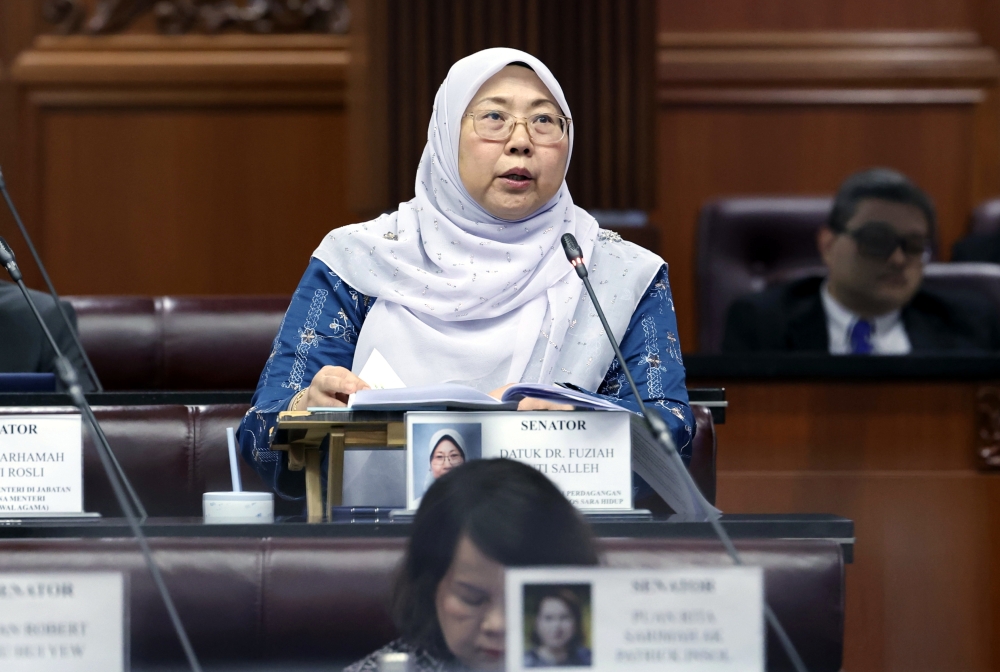
The Malaysian government just clarified a few things. In a Dewan Negara session, Deputy Domestic Trade and Cost of Living Minister Datuk Fuziah Salleh confirmed that using copyrighted works for AI model training requires the owner’s approval. There’s more. Fully AI-generated works without significant human creativity don’t qualify for copyright protection.
That second point should get your attention.
TL;DR: The Copyright Act 1987 already requires permission to use copyrighted works — whether for AI or anything else. Fully AI-generated works with no meaningful human input cannot be copyrighted in Malaysia. Add significant human creativity — direction, editing, originality — and your work stays protected. The government is still studying the full impact.
What This Means
Let’s strip away the legal jargon. The Copyright Act 1987 has always protected original works created with human effort, skill, and intellectual contribution. The deputy minister simply confirmed that this applies to AI training too. If someone wants to use your blog post, your photograph, or your video to train an AI model, they need your permission. Section 27 of the Act says the arrangements are up to the parties involved — through licensing, rights assignments, or Collective Management Organisations.
“Permission from the copyright owner is required for any work to be used, whether or not it involves AI technology.” — Datuk Fuziah Salleh
The part that should worry you more: Malaysia doesn’t protect content that is entirely AI-generated. No significant human creativity? No copyright. That means if your business relies on pure AI output — self-written articles, auto-generated images with no editing or creative direction — you technically don’t own them. Anyone can copy them without your permission.
How This Applies to Malaysian SMEs
You might not own your AI-generated marketing content
Imagine you run a boutique hotel in Penang and you generate all your website photos using an AI image tool. No human photographer, no styling, no creative decisions beyond a typed prompt. Under the current reading, those images have no copyright protection. A competitor could lift them for their own site, and you’d have little legal ground to stop them. That’s a real risk for businesses building their brand identity around AI-only visuals.
Human creativity changes everything
Here’s the brighter side. If you direct the AI — give it a detailed brief, edit its output, combine multiple generations, add your own photography or original writing — the result shows human skill and effort. That qualifies for protection. Think of AI as a junior assistant, not the boss. As long as you’re meaningfully in the creative loop, your work is yours. This is how you protect your brand assets, whether you’re a food brand designing packaging or a retail shop creating a catalogue.
Your existing content is more valuable than you think
If you’ve been creating original work — product photos, recipes, videos, design layouts — the Act protects you. And anyone, including AI developers, who wants to use that work commercially needs your approval. For SME owners, this is a position of strength. Your modest content library has licensing value that didn’t exist a few years ago. That said, enforcement is practical: you’ll need to prove you created it. Keep originals, metadata, and drafts.
Your AI tools’ terms still matter
A quick but crucial point: getting copyright protection on your human-AI output doesn’t override the tool’s terms of service. Some AI platforms claim broad rights over what you generate. This new guidance doesn’t rewrite your contract with the tool vendor. Read the terms you clicked.
Practical Takeaways
- Audit your AI usage. List every tool you use and what you generate with it. Identify which outputs are pure AI versus human-directed.
- Add real creative input. Write detailed briefs, edit outputs, combine your own material with AI. Document the process — it’s evidence of human creativity.
- Keep records of original work. Store source files, timestamps, and drafts. If your work gets used without permission, proof is everything.
- Stop feeding confidential or copyrighted material into AI tools unless you’re certain about the terms.
- Watch for vendor updates. AI platforms will adjust their terms as laws evolve. Review them quarterly.
The Landscape at a Glance
| Situation | Copyright Status in Malaysia | Your Action |
|---|---|---|
| Fully AI-generated image from a text prompt only | Not protected | Add human editing and direction |
| AI output combined and edited by your team | Protected as original work | Document your creative process |
| Your original work used to train an AI model | Requires your permission | Monitor usage, consider licensing |
| Someone copies your human-AI hybrid content | You can pursue a claim | Keep originals and file records |
The Bigger Picture
The minister also noted that Malaysia has not yet seen any court cases on AI copyright violations, and the government hasn’t completed an impact assessment on AI’s effect on creative industries. The government is still consulting stakeholders and studying models adopted by other countries before introducing new policies.
What does that tell you? The legal landscape is still forming, and the window to set good habits is open right now. For SMEs, the direction is clear: AI is a tool, not a replacement for your judgment. The businesses that thrive will be those that use AI to speed things up while keeping real human creativity in the loop.
Treat AI as your fastest employee, not your creative brain. That approach keeps you safe, keeps you protected, and keeps your work legally yours.
Ready to Streamline Your Operations?
Your business should run itself. AutoRunBiz deploys AI agents to automate your daily operations — WhatsApp orders, invoicing, customer follow-ups, and accounting. Book a free 15-min ops audit to see where automation fits your business →