
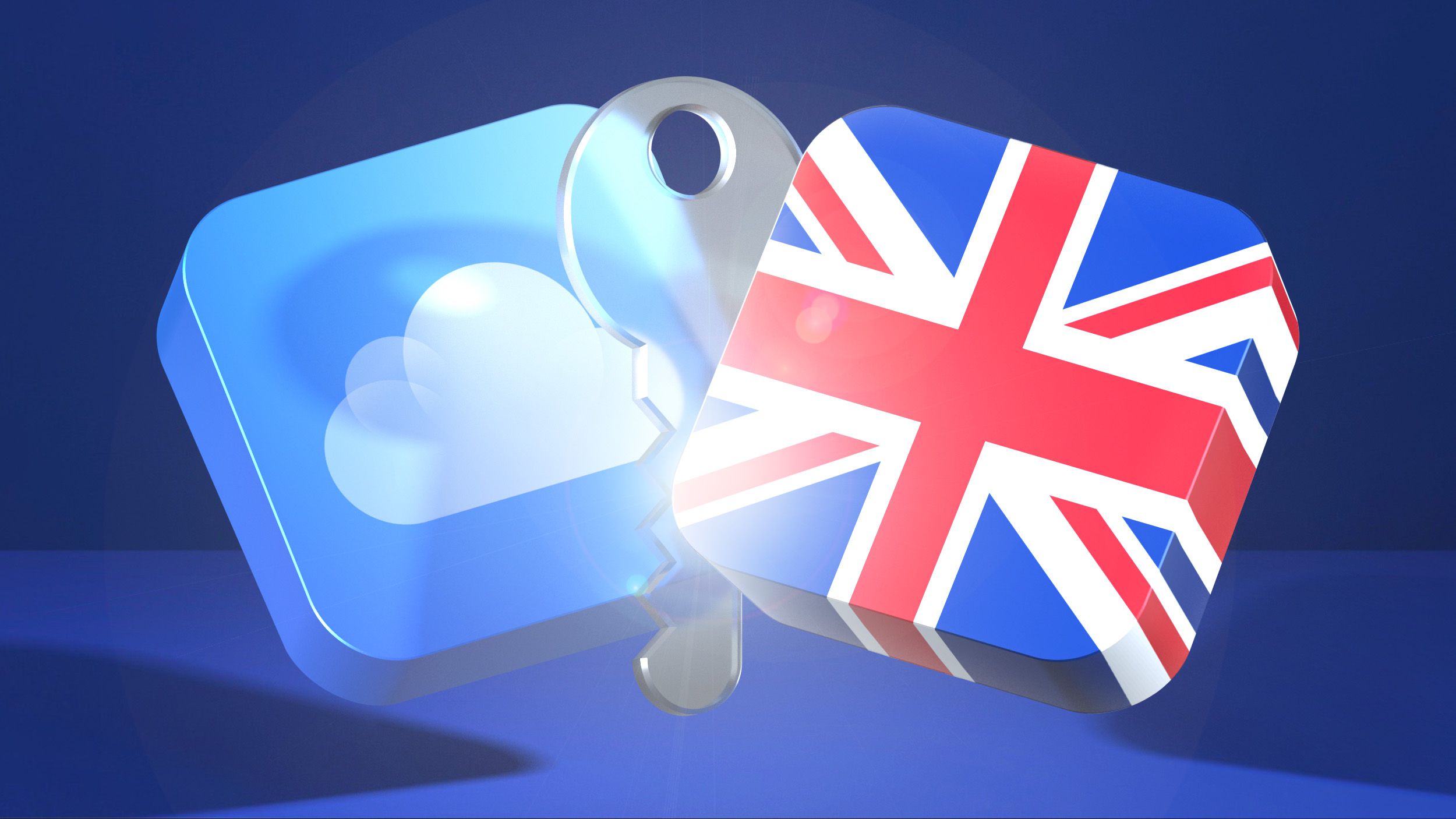
When a Government Comes for Your Cloud
Picture this: you wake up one morning and discover that the tool you use to run your entire business — your cloud storage, your customer database, your emails — has been legally ordered to open a backdoor for a government. That sounds like a dystopian novel, but it is exactly what Apple is fighting against in the UK right now. And while the battle is happening across the globe, its outcome will shape how every Malaysian SME protects its data. You cannot afford to ignore it, because the tools you rely on daily are the same tools caught in this crossfire.
What Happened
Apple last month filed a new legal complaint with the UK’s Investigatory Powers Tribunal (IPT) over the British government’s demand for access to encrypted iCloud backups belonging to UK users, according to an order issued by the court and reported by the Financial Times (source).
Here is the backstory. The UK Home Office originally demanded a backdoor that would cover both UK and US customers — but it dropped that demand after a diplomatic row with Washington. The British government then issued a new “technical capability notice” (TCN) to Apple, this time limited to UK users only (source).
TCNs are issued under the UK’s Investigatory Powers Act. The government says these powers are necessary to investigate terrorism and child sexual abuse. But here is the catch: they can force companies to hand UK security services access to customer data, even when that data is encrypted (source). The court has notified Privacy International of Apple’s new complaint — and that group, along with Liberty, had already filed a separate complaint against such notices, with a hearing due in December (source).
Apple has long argued that any such backdoor would weaken security for all its customers, not just the ones in the UK. And because of legal gag orders, both Apple and the Home Office are barred from even discussing the matter publicly (source).
Why This Matters for Malaysian SMEs
You might be thinking: “I’m a Malaysian business owner. I don’t have customers in the UK. Why should I care?” Because encryption is not a wall you build around one room — it is the foundation under the whole building. When the UK government forces Apple to build a backdoor into iCloud, that backdoor becomes a weakness in the very same encryption that protects your iCloud, your customer lists, your invoices, and your business plans. There is no such thing as a backdoor that only works for one government.
Consider how many Malaysian SMEs now operate entirely on cloud platforms. You use Apple iCloud for your phone backups, Google Workspace for emails, or Microsoft 365 for your documents. Every one of those platforms uses encryption to keep your data private. But when a government can legally compel a company to break its own encryption, it creates what security experts call a “master key” — and master keys have a way of falling into the wrong hands.
In Malaysia, the Personal Data Protection Act (PDPA) 2010 already requires you to take reasonable steps to protect the personal data you hold (source). If a cloud provider’s encryption is weakened by a foreign government, you could be breaching your obligations to your own customers — without even knowing it. Your due diligence on data protection does not stop at choosing a reputable provider; it extends to understanding the legal environment that provider operates in. As an SME owner, you are personally accountable for the data you collect, and “my cloud provider did it” will not hold up as a defence.
“Any backdoor is a backdoor for everyone. Governments may say they want access to one person’s data, but once the door exists, it can be exploited by criminals, hackers, and other states.”
This matters especially for Malaysian SMEs in sectors like e-commerce, healthcare, and financial services, where customer trust is your most valuable asset. If your data storage provider is compromised, you cannot blame “foreign government drama” — your customers will blame you. The reputational hit lands on your business, not on Apple or the UK Home Office. For small businesses, one significant data breach can be the difference between surviving and shutting down.
The Bigger Picture
What is happening in the UK is part of a global trend. Governments around the world — including in Southeast Asia — have been pushing for greater access to encrypted communications. The outcome of Apple’s legal challenge will set a precedent that could influence how other governments approach their own encryption laws. If the UK wins, other countries may follow with similar demands. If Apple wins, it strengthens the position that encryption is non-negotiable. The December hearing on the separate Privacy International complaint will add another layer to this unfolding story, and every business owner reliant on cloud infrastructure should be watching.
For your SME, the practical takeaway is this: you need to become more deliberate about your data infrastructure choices. You do not need to become a cybersecurity expert overnight, but you do need to start asking questions about where your data lives, who can legally demand it, and what happens when the laws of one country collide with the security needs of your business. Here are the key points to keep in mind:
- Encryption across the board: Ensure your business data is encrypted not just in transit, but at rest — and check where your provider hosts your data.
- Jurisdiction awareness: Know which country’s laws apply to your cloud provider. A provider based in a country with weak privacy protections can become a liability.
- Local-first options: Consider Malaysian or regional cloud providers for sensitive customer data — they may be subject to data protection rules you understand better.
- Access control: Limit who in your company can access sensitive data, and audit that access regularly.
- Contract review: Check your provider’s terms — do they reserve the right to hand over your data upon government request?
The legal battle will play out in the UK over the coming months. In the meantime, Malaysian SMEs have a choice: wait and see what happens, or take proactive steps to protect your data while you still have full control over the decision. The latter is the only option that makes sense for your business — and for your customers. When the dust settles on this case, you want to be able to look your customers in the eye and tell them their data was never an afterthought.
Ready to Streamline Your Operations?
Technology moves fast. Your operations should keep up. AutoRunBiz builds AI systems that run your daily workflows — from WhatsApp order capture to accounting. Book a free 15-min ops audit →