
Your next laptop order might be weeks late — here’s why
You’re a small or medium business owner in Malaysia. It’s Monday morning, a new hire is starting two weeks from now, and you suddenly realise you need another laptop. You open your usual supplier’s website, and there it is: “No stock.” Or you call your reseller, and he says, “Sorry, the MacBook Air comes in about a month — if we’re lucky.”
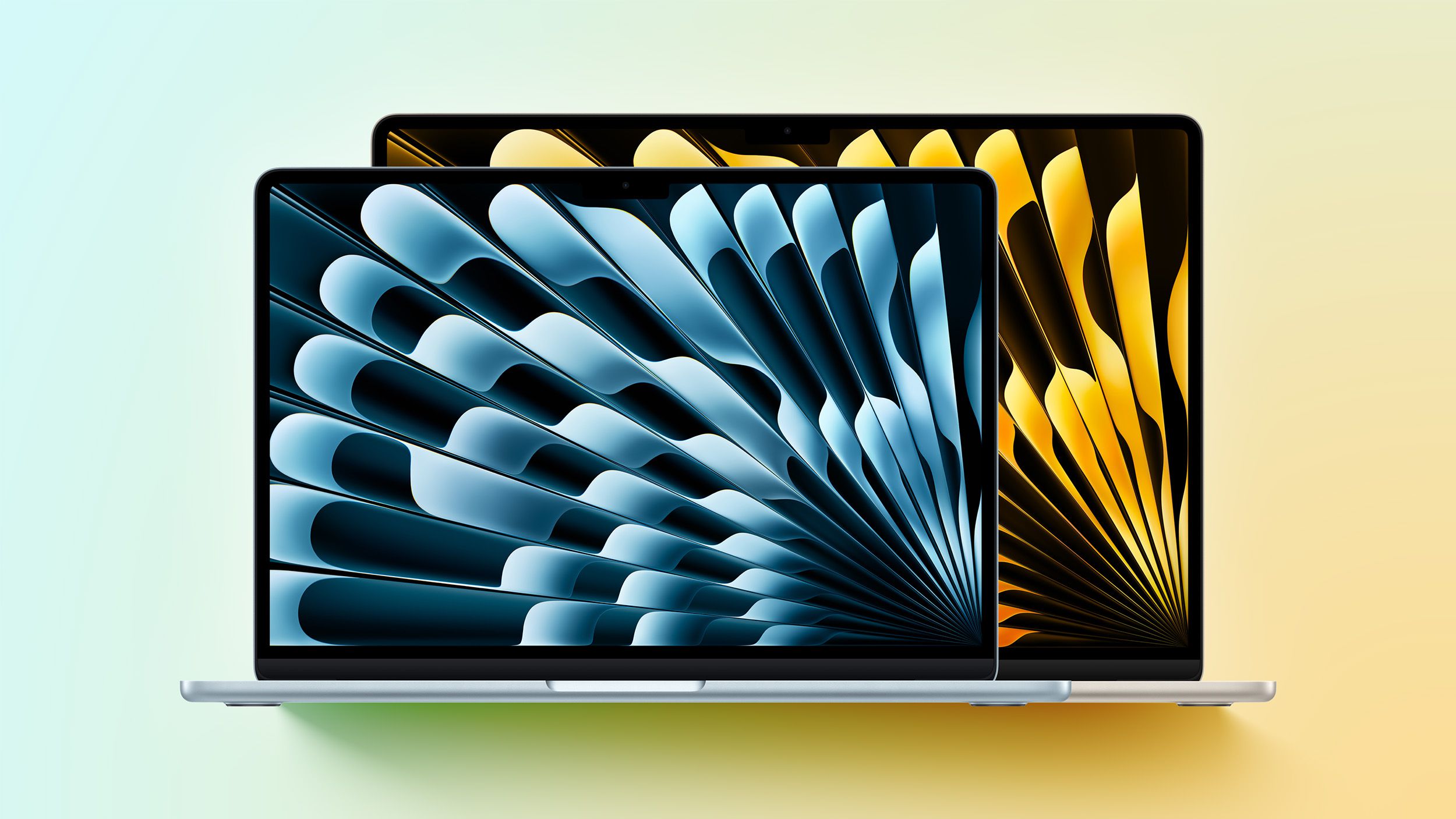
This is not your imagination. The MacBook Air — the laptop that millions of professionals rely on — is currently in the middle of a “major” shortage, according to a report from MacRumors. Retail store sources told Bloomberg’s Mark Gurman that Apple is “struggling to keep the laptop in stock” and that “shipments of new units are more constrained than they can ever recall.”
The reason is not a fire at a factory or a trade war. It’s something much more unexpected: AI data centres are gobbling up the world’s supply of memory chips.
TL;DR: Memory chip shortages caused by AI infrastructure are delaying MacBook Airs and other laptops. Delivery estimates stretch for weeks. Malaysian SMEs must buy earlier, hold spares, and stop expecting instant hardware.
What This Means, in Plain Language
Inside every laptop are two critical components: RAM (memory) and SSD (storage). They’re both made from silicon and they are in limited supply. Over the last year, companies building AI systems have been constructing enormous data centres to train and run their models. Those servers require memory chips in quantities that dwarf consumer laptop production.
Apple’s MacBook Air is one of the victims. According to the same MacRumors report, the MacBook Air is facing a 2–6 week delivery estimate on Apple’s US online store, and configurations with higher amounts of RAM are delayed the longest. The shortage also extends to the Mac Studio and Mac mini. Apple, like all laptop makers, simply can’t buy enough memory chips to satisfy demand.
It’s not just about “fancy” spec bumps. Even the base model MacBook Air, the one that most small businesses would buy for staff, is affected. And if you think you’re safe because your hardware is assembled in Asia, think again — the chips themselves come from a handful of manufacturers worldwide, and they’re all competing with AI companies for the same silicon.
How This Applies to Malaysian SMEs
Malaysian SME owners often don’t have the luxury of large corporate procurement teams. You may simply order a laptop when you need it. But with this shortage, that habit is going to hurt you. If you rely on MacBook Air as your go-to machine for accountants, content creators, or project managers, you’re now at the mercy of a global supply chain. Ordering in July could mean waiting until September or even October for a high-RAM build. That’s not a theoretical problem — it’s already happening to businesses in the US, and as the report notes, Apple has struggled to keep up with demand across its laptop lineup despite adjustments. In Malaysia, authorised resellers often follow global supply trends, which means you may face long waits and limited availability, even for base models.
Consider your own business workflow. Perhaps you have a small team in Kuala Lumpur and a few remote staff in Johor or Penang. Each person needs a reliable laptop. If one device fails and you need a replacement quickly, a six-week wait is simply unacceptable. What’s your backup plan? The smartest approach is to treat hardware like a utility — buy it in advance, maintain it well, and keep spare capacity. Even one spare laptop per branch or team can mean the difference between a seamless onboarding and a frustrated employee sitting idle for a month.
This shortage also gives you a reason to rethink your hardware refresh cycle. Many SMEs replace laptops every three years because “that’s what everyone does.” But in a world where new units are scarce and harder to source, extending that cycle to four or five years is practical — as long as you keep the machines healthy. A MacBook Air with a clean install, updated operating system and a fresh battery can comfortably handle most SME work. And if you run heavy applications, consider using cloud-based accounting software, file storage and design tools so the laptop itself is less of a bottleneck. The less you depend on a single piece of hardware, the more resilient your business becomes.
The laptop you take for granted today might be the thing that shuts down your onboarding next month. Treat hardware supply like a business risk, not a shopping errand.
Practical Takeaways: What to Do This Week
- Inventory audit: Count every laptop you own, note its age and condition, and flag which ones are close to failure.
- Decide on a standard spec: Pick one MacBook Air configuration (or one Windows alternative) and stick to it, so resellers can order in batches.
- Order early: If you know you’re hiring, training or expanding in the next quarter, place device orders now — not the week before the start date.
- Hold spare capacity: Keep one extra laptop on site as a “loaner” for emergencies and new hires.
- Talk to your IT supplier: Ask them for actual lead times, and get everything in writing. Ask which specs are most available.
- Maintain what you have: Book a yearly maintenance session to clear bloatware, update software and replace ageing batteries.
- Explore cloud alternatives: If your team can work via a browser or a virtual desktop, a hardware shortage becomes far less disruptive.
Where the Shortage Bites: A Quick Reference
| Device | Reported Status | What It Means for You |
|---|---|---|
| MacBook Air | Major shortage | 2–6 week order delay on Apple’s US store; longer for high-RAM configs |
| Mac Studio | Constrained supply | Affected by the same memory chip shortage |
| Mac mini | Constrained supply | Also impacted by memory chip availability |
Data source: MacRumors, 2 Aug 2026
The Bigger Picture
This isn’t just a bad buying season. It’s a structural shift in the technology industry. AI companies are investing heavily in data centres, and those facilities need staggering amounts of memory. According to industry analysts, this trend will continue as AI models get bigger. For Malaysian SMEs, the takeaway is simple: physical devices are no longer a commodity you can buy at your convenience. They’re a constrained resource, just like electricity or factory floor space.
Forward-looking Malaysian businesses will adapt. They’ll build hardware procurement into their annual planning, maintain their devices longer, and lean on automation to handle the repetitive parts of their business — so that even when a laptop is delayed, the workflow continues. The businesses that refuse to adapt will find themselves losing productivity to a chip shortage they never expected to see.
The MacBook Air shortage is a wake-up call. Use it to build resilience into your business today, and you won’t be panicking when the next global shortage hits — because it will.
Ready to Streamline Your Operations?
Your business should run itself. AutoRunBiz deploys AI agents to automate your daily operations — WhatsApp orders, invoicing, customer follow-ups, and accounting. Book a free 15-min ops audit to see where automation fits your business →