
Your Business Runs on Stability. Here’s What the Aug 8 Meeting Signals.
You wake up, check the news, and see that Penang’s ruling coalition is meeting on August 8 to discuss election strategy and whether Umno stays in the state government. If you run a business in Penang — or anywhere in Malaysia, honestly — your first question isn’t about politics. It’s: “Does this affect my orders, my permits, my contracts?”
The honest answer is: maybe. And “maybe” is exactly why you need to pay attention. Political discussions like this one don’t just happen in parliament. They ripple into procurement decisions, approval timelines, and the confidence of the people you do business with. This article breaks down what the Aug 8 meeting means, what could change, and how to protect your business either way.
TL;DR
- Penang Pakatan Harapan (PH) will discuss Umno’s role in the state government and election preparedness on Aug 8, according to Chief Minister Chow Kon Yeow.
- Political uncertainty like this often slows government approvals, freezes tenders, and delays project decisions — impacting SMEs that rely on state-linked work.
- Your move: review contracts, diversify clients, and prepare for potential delays without making drastic changes based on speculation.
What This Means (In Plain Language)
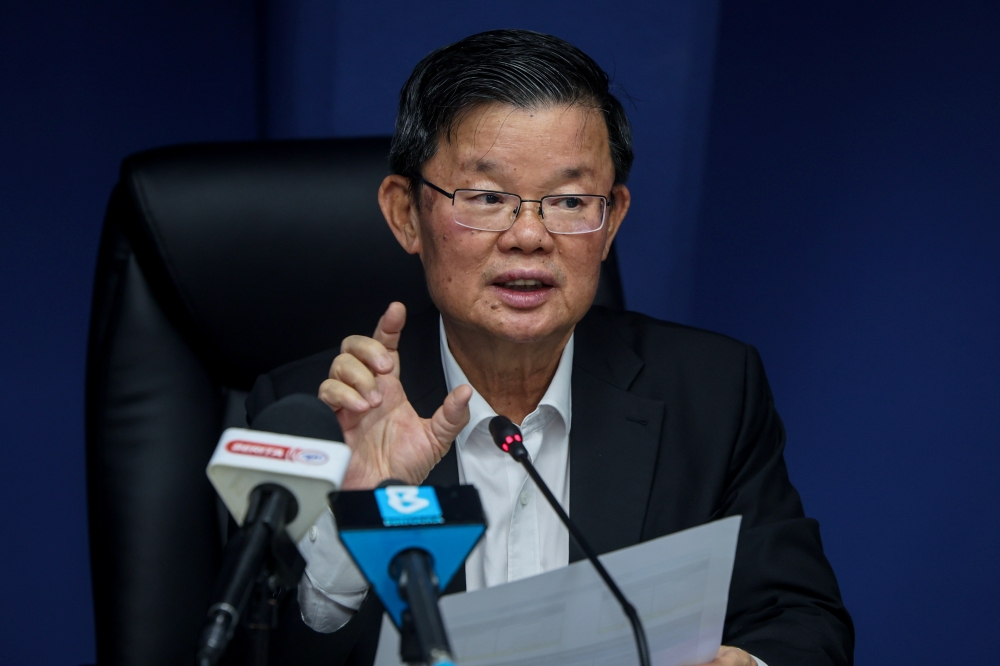
Right now, Penang’s unity government includes one Umno representative on the state executive council — Datuk Rashidi Zinol, who handles rural development, agrotechnology, food security, and entrepreneurship. At the Aug 8 meeting, Penang PH leaders will receive reports from subcommittees set up months ago to prepare for a possible general or state election. Chow has openly said the question of Umno’s position “will also be discussed” according to Malay Mail.
What does that mean for you? Simply put: when a government starts prepping for elections, it starts behaving differently. New initiatives get paused. Big-ticket approvals get pushed to “after the election.” Departments that approve your licence renewals, your factory expansion plans, or your tender submissions get distracted by internal coalition discussions about seats, roles, and alliances. As Chow himself put it: “Politics changes every day, so we have to consider every possibility.”
“Politics changes every day, so we have to consider every possibility.” — Chow Kon Yeow, Penang Chief Minister
That’s not a politician being vague. That’s a signal that nothing is guaranteed — including the current structure of the state government. For businesses, that uncertainty has a cost.
How This Applies to Malaysian SMEs
1. Government-linked revenue gets shaky. If you’re a supplier, contractor, or service provider for any state agency, GLC, or statutory body, election preparation often means a quiet freeze. Procurement officers become cautious. Tenders that were about to be published get delayed. Renewals of framework agreements can slip. This isn’t because anyone is doing anything wrong — it’s because no one wants to sign off on major decisions while the political landscape is shifting. If Umno’s position in the state government changes, portfolio allocations like rural development and agrotechnology could move, and the person who approved your contract might not be there next quarter.
2. Policy continuity becomes a question mark. Consider the portfolio held by Datuk Rashidi Zinol: rural development, agrotechnology, food security, and entrepreneurship. If you run an agritech startup or a food processing business in Penang, your industry’s direction could depend on who holds that portfolio after any reshuffle. A different exco member means different priorities — maybe more funding for one subsector, less for another. You can’t control that, but you can track it. Follow the news on Aug 8 and note any changes to committee structures, because those changes tell you where policy attention will go.
3. Approvals and land deals could slow down. Penang is a manufacturing hub. SMEs dealing with factory expansions, land conversion, or infrastructure-related permits know that these decisions often need state-level sign-off. When state leaders are focused on election strategy, these approvals take longer. If you’re planning an expansion in the next 6–12 months, factor in extra lead time. The meeting on Aug 8 is just the start — if an election is actually called, you could be looking at several months of slower-than-usual government processing.
4. Your customers and partners react too. Even if you have zero government contracts, your private-sector clients — developers, manufacturers, retailers — also slow down during political uncertainty. They hesitate on capital spending. They extend payment cycles. They defer new projects. So a political story in Penang can end up affecting an SME in Johor or Selangor, because business confidence is interconnected.
Practical Takeaways: A Simple Preparation Guide
- Audit your government-linked contracts. Check renewal dates and clauses. Identify which politically-appointed officials are associated with your key contracts.
- Map your dependencies. List the permits, licences, and approvals you’ll need in the next 9–12 months. Flag anything state-level that could be delayed.
- Diversify your client base. If more than 30% of your revenue comes from government or GLC-linked work, actively court private-sector clients as a buffer.
- Build cash runway. Aim for 3–6 months of operating expenses in reserves. Election periods are unpredictable; cash keeps you patient.
- Communicate proactively. If you have contracts with delivery timelines, talk to your clients now about potential schedule flexibility. Better to set expectations early than to miss deadlines later.
- Do not make drastic decisions on speculation. The Aug 8 meeting may result in zero changes. Preparation, not panic, is the right response.
What Actually Happens During Election Season: A Quick Reference
| Area | Typical Impact | Your Response |
|---|---|---|
| Government tenders | New tenders delayed or paused | Submit early, or plan for late award announcements |
| Licence & permit renewals | Processing time lengthens | Renew everything as early as allowed |
| Policy direction | New initiatives shelved until after polls | Adjust your 12-month business plan to a “steady state” |
| Private sector investment | Clients defer big spending | Focus on recurring revenue and maintenance work |
| Cash flow from debtors | Payment cycles stretch | Strengthen your collection follow-up process |
The Bigger Picture
The Aug 8 meeting is not an isolated event. It’s part of a pattern that Malaysian business owners have seen repeatedly: coalition partners renegotiating their arrangements, rumours of early elections, portfolios being reshuffled. The long-term trend is that political fluidity is the new normal, not an exception. Chow noted that subcommittees were set up several months ago to coordinate election preparations — meaning both state and federal levels have been anticipating this for a while.
For an SME owner, the takeaway is strategic, not political. You cannot predict whether Umno stays in Penang’s government, or when parliament will be dissolved, or which exco member will hold which portfolio next year. What you can control is how your business responds to uncertainty. Companies that thrive in this environment are the ones that keep their overheads lean, their client lists diversified, and their approval pipeline continuously moving forward.
Think of it this way: an election is like a monsoon season. You don’t control the weather, but you reinforce your roof, you keep an umbrella at the door, and you plan your deliveries around the rain. The Aug 8 discussion in Penang is just the weather forecast. Your job is to make sure you’re ready, whatever it brings.
Ready to Streamline Your Operations?
Your business should run itself. AutoRunBiz deploys AI agents to automate your daily operations — WhatsApp orders, invoicing, customer follow-ups, and accounting. Book a free 15-min ops audit to see where automation fits your business →