
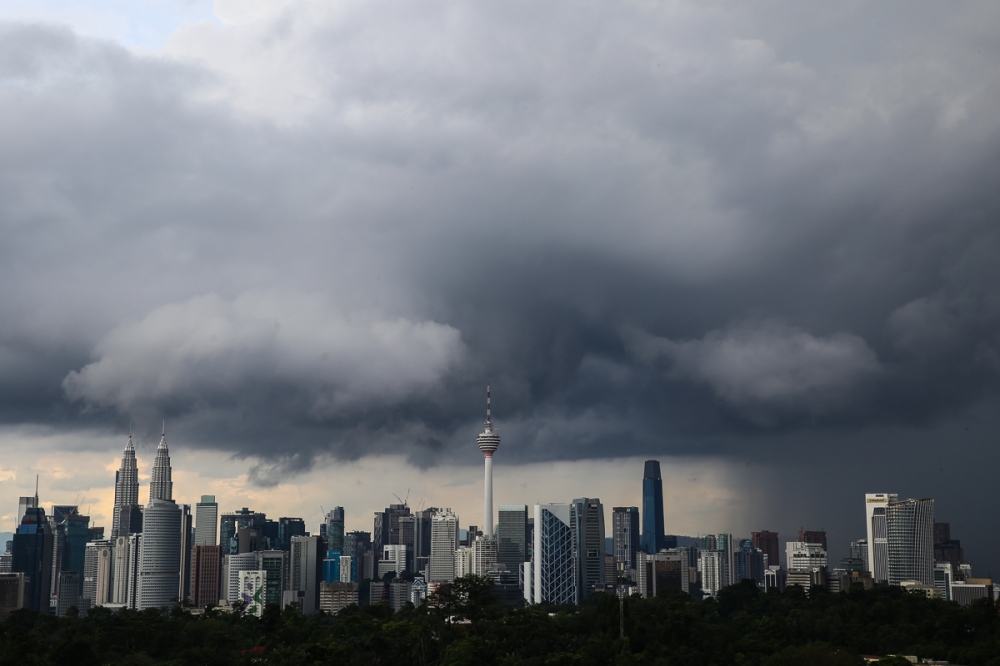
The 3pm storm that wrecks your schedule
You planned the day well. Morning crews out, deliveries scheduled, the lunch crowd handled. Then 3pm hits and the sky turns grey. Within minutes, your rider is stranded in a downpour, your delivery window slips, and that outdoor booking you confirmed this morning? Cancelled.
It’s been playing out across Malaysia — hot mornings, rainy afternoons, all through what is supposed to be the drier Southwest Monsoon. It’s easy to blame climate change and move on. But here’s what matters to you as a business owner: the “dry season” no longer gives you a reliable picture of how your week will go. And when weather becomes unpredictable, every operation that depends on timing turns into a gamble.
The good news? The businesses getting hit worst aren’t suffering because of the rain. They’re suffering because they treat it as a surprise every single time.
TL;DR
- Malaysia’s Southwest Monsoon (May to September) is supposed to be drier, but temporary wind-pattern shifts and extra atmospheric moisture have been triggering frequent afternoon thunderstorms in 2026.
- MetMalaysia says the pattern will revert to normal soon — but thunderstorms can occur all year in Malaysia’s tropical climate, so this is never truly a “dry” country.
- The practical takeaway for your SME: stop planning around “seasons” and start planning around “today’s conditions” — with time buffers and automated customer updates built into your operations.
What This Means
MetMalaysia’s director-general Mohd Hisham Mohd Anip explained the recent run of storms plainly. It’s not a permanent shift in the monsoon — it’s changes in wind patterns and higher-than-usual moisture in the atmosphere. The Southwest Monsoon, which began on May 14 and runs through September, will likely return to its typical hotter, drier conditions. But he also stressed that thunderstorms never fully disappear here — they’re just more frequent during the inter-monsoon periods in April–May and October–November.
The part that matters most for your business: thunderstorm warnings can only be issued one to two hours in advance because these storms form rapidly and affect small areas, between 1 and 10 kilometres. You will never get an early-morning heads-up that an afternoon storm is coming for your specific postcode. By the time the warning arrives, the rain is basically already starting.
“Hotter and drier weather during the Southwest Monsoon does not mean rain and thunderstorms will not occur. Changes in wind patterns and the presence of moist air can alter these conditions and produce more frequent rainfall.” — Mohd Hisham Mohd Anip, MetMalaysia director-general
Where the storms actually hit: 2025 in numbers
MetMalaysia’s latest climate summary gives a clear picture of which areas face the most disruption. If your business operates near any of these spots, treat the afternoon storm as a design constraint, not an accident.
| Location | 2025 Weather Record | Why It Matters to You |
|---|---|---|
| Subang, Selangor | 294 days with lightning — highest among 42 stations | If you operate in the Klang Valley, lightning disruption is your everyday reality, not a rare event. |
| Bayan Lepas, Penang | 143 thunderstorm days | Penang’s west coast gets storms nearly half the year — morning scheduling is essential. |
| Bintulu, Sarawak | 516mm of rain in a single day on Jan 1 | One day of rain can flood roads and halt logistics for a full 24 hours in East Malaysia. |
| Kuching, Sarawak | 4,974.2mm annual rainfall — highest in the country | In Kuching, rain is a weekly certainty. Plan for it as routine, not as an emergency. |
| Sibu, Sarawak | 37.4°C highest temperature | Heat affects staff stamina and any temperature-sensitive goods you handle. |
How This Applies to Malaysian SMEs
Delivery, courier and e-commerce operations
If you run a food delivery kitchen, a courier service, or an online store with your own riders, the afternoon storm is your daily risk. A 3pm downpour means wet parcels, late drop-offs, and customers who judge your reliability by the one experience they had. Because warnings arrive only one to two hours ahead, the fix isn’t “watching the sky” — it’s building a buffer into afternoon delivery windows whenever the forecast shows instability, and automating a simple notification to customers when a delay is triggered.
This is a perfect candidate for a small automation workflow: your team checks the myCuaca app or MetMalaysia’s website at midday, flags a storm risk, and the system sends a polite “possible weather delay” message to affected customers before the rain even starts. Your staff doesn’t spend an hour replying to angry messages; they spend it getting the work done.
F&B, retail and event-based businesses
For restaurants with outdoor seating, cafés, market stalls and event vendors, rain is an audience killer. Subang alone recorded 294 days with lightning in 2025 — the highest among MetMalaysia’s 42 monitoring stations. Think about that: if you’re anywhere near Subang, lightning activity occurred on four out of five days last year. A business that relies on walk-in traffic can’t control the weather, but it can control its reaction: a documented rain plan that moves seating quickly, a reservation confirmation flow that warns customers about possible afternoon storms, and clear weather-postponement terms for event clients.
The businesses that treat 2pm–6pm as a rainy risk window — every day, not just during monsoon seasons — are the ones that keep their promises to customers. It’s not glamorous, but it’s what separates a reliable neighbourhood business from one people “remember to avoid when it looks cloudy”.
Construction, maintenance and fieldwork
If your team works outdoors — construction, renovation, landscaping, site inspections — the East Malaysia numbers are a warning. Bintulu received 516mm of rain in a single day in January, enough to flood roads and shut down site access. Kuching recorded 4,974.2mm of rainfall for the year, roughly double the annual totals seen in many West Coast cities. Relying on the “dry season” for your project timeline means your schedule lives or dies by weather you can’t control.
The smarter approach, used by the most consistent site operators, is to schedule heavy outdoor work in the morning window and keep sheltered, prep-based tasks ready for afternoons. It’s a reordering of work, not a shutdown. And if the previous afternoon was a washout, the next morning’s forecast should be the first thing your site supervisor checks — not at 7am, but the night before.
Practical Takeaways: Your weather-preparedness checklist
- Check official forecasts at a fixed time daily. Use MetMalaysia’s website, the myCuaca app, or their social channels — not just the generic weather widget on your phone.
- Build a storm buffer into afternoon delivery promises. If instability is forecast, add 30–45 minutes to your ETA instead of overpromising.
- Automate delay notifications. Customers accept weather delays; they don’t accept radio silence. A pre-written automated update keeps trust intact with zero staff effort.
- Do critical outdoor work before noon. Afternoon storms are the norm across much of Malaysia — mornings are your reliable window.
- Write a 15-minute rain plan for every customer-facing setup. Where does seating go? Where do parcels get covered? Who sends the postponement messages? Decide it in advance, not in the rain.
- Keep a simple weather disruption log. Note which afternoons weather cost you time or unhappy customers. After one year, you’ll have data that beats any forecast for planning the next one.
The Bigger Picture
Strip away the meteorology and the message for Malaysian SMEs is simple: you can’t count on the season, only on your systems. The tropical climate means thunderstorms can arrive any month of the year, and with warnings limited to one or two hours of lead time, every business that depends on timing needs a default response plan — not a hope.
The companies that win under this pattern aren’t the ones with bigger umbrellas. They’re the ones who remove the last-minute guesswork: automated customer updates, pre-planned buffers, and schedules built around reality instead of tradition. When a storm hits and every competitor is scrambling to apologise, the business with a system simply sends the update and keeps moving.
Start with one weather problem in your operation and automate one piece of it this month. You’ll notice the difference the first time the rain starts — because your team won’t be part of the scramble anymore.
For official, up-to-date forecasts and warnings, monitor MetMalaysia’s website and the myCuaca mobile app, as the department itself recommends.
Ready to Streamline Your Operations?
Your business should run itself. AutoRunBiz deploys AI agents to automate your daily operations — WhatsApp orders, invoicing, customer follow-ups, and accounting. Book a free 15-min ops audit to see where automation fits your business →