
The AI gap no one talks about
Every vendor selling you AI makes it look like a foolproof plug-and-play. Upload your data, hit “generate agent,” and watch magic happen. But if you’ve tried that with your Malaysian SME accounting file, your WhatsApp Business chat history, and that dusty legacy inventory sheet your uncle insists on keeping, you already know the truth: AI doesn’t slot into messy systems. It trips over them.
This exact problem is now a hot topic in Silicon Valley, and a new startup backed by some of the biggest names in tech thinks it has a solution—not for giant enterprises, but for the messy middle that includes businesses like yours. Here’s what you need to know, and what it means for the way you should approach automation this year.
What happened
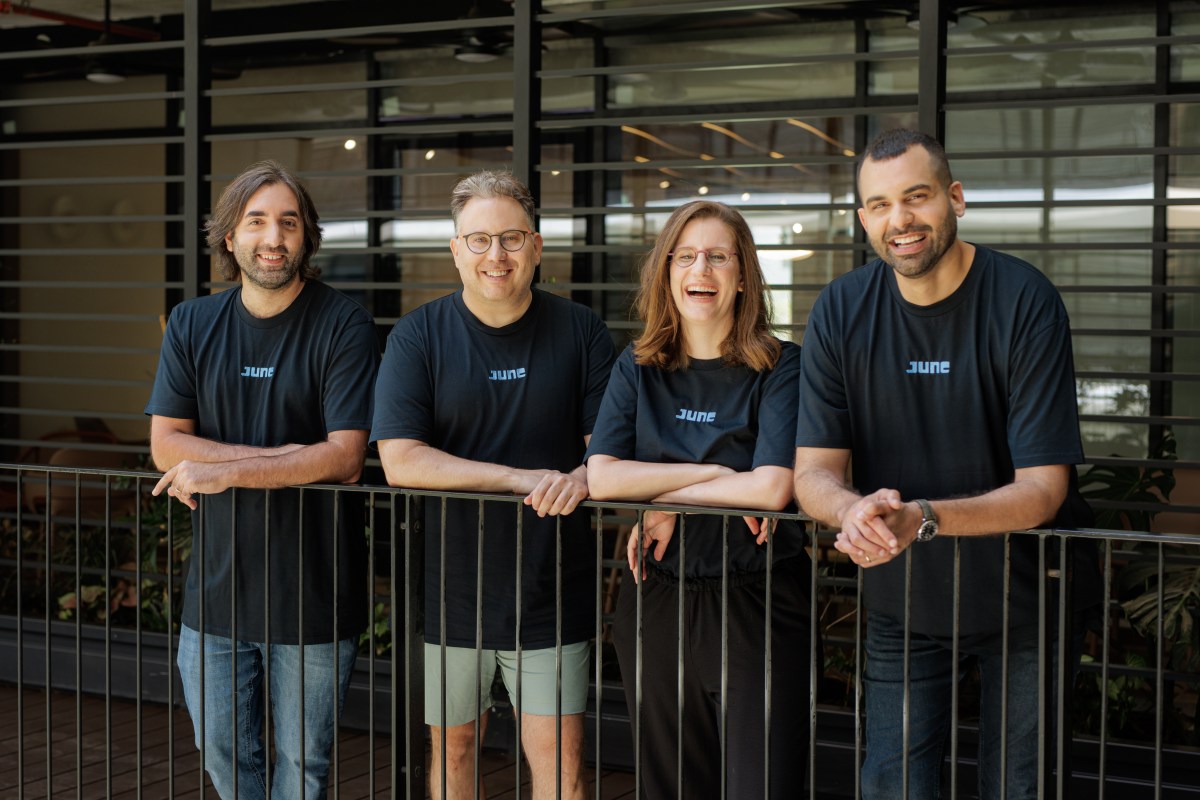
On August 3, 2026, a startup called June emerged from stealth with a bold pitch: AI should deploy AI. June is the brainchild of four founders who previously built a voice-to-text company called Bonobo AI, which was acquired by Salesforce back in 2019. After years inside Salesforce watching customers struggle to integrate AI with their existing platforms, they decided the real bottleneck wasn’t the AI model—it was everything underneath it.
“Before AI can create value, someone has to deal with legacy systems,” says CEO Efrat Rapoport. That’s a polite way of saying the average business has fragmented data across CRMs, ERPs, spreadsheets, and a dozen other tools, all with duplicate fields that different teams use differently. June’s platform scans what you already have, maps your actual workflows, and then generates a step-by-step roadmap for where AI agents can plug in, what duplicate data to remove, and which systems to connect—then builds the agents right inside your environment.
The company was able to raise a large pre-seed round led by Marc Benioff’s Time Ventures, with participation from other tech luminaries, according to TechCrunch. What’s more interesting than the funding is why they raised it at all. One early customer, a mortgage lender that had already pivoted to AI code tools, hit a wall trying to integrate agents with Salesforce. The lender’s chief strategy officer told Rapoport point blank: “If your product requires FDEs, I don’t want your product. I’ve already done that and I’m getting annoyed by it. I want an easy-to-use tool.”
Why this matters for Malaysian SMEs
You might be thinking: “We’re not a Fortune 500 company with legacy Salesforce stacks.” True. But you also have your own version of the same mess. Think about how your business actually runs. You might do sales on WhatsApp, invoicing through an online accounting portal, inventory in an Excel file, and customer follow-ups in a shared Google Sheet. Each of those systems has slightly different versions of the truth. Recently, you may have tried an AI chatbot or an automation tool to handle customer inquiries, only to find it hallucinates stock levels because your inventory file is always two weeks behind.
June’s founders are essentially trying to automate the “cleaning up before AI” process. For a small Malaysian company, that’s both an inspiration and a warning. The warning: don’t buy AI tools until you know what’s inside your existing data. You don’t need a forward-deployed engineer to tell you that if your customer list lives in three places, no AI agent is going to give you reliable answers. The inspiration: if even the big bellies of enterprise tech admit the hard part is plumbing, you’re not lazy or late—you’re just solving the same problem at a smaller scale, and there are simpler ways to do it.
For many Malaysian SMEs, the practical takeaway is to start with a “business process inventory” before you adopt another AI feature. Pull up your data entry points. Note the duplicates. If you’re doing this before you invest in AI, you’re already ahead of the curve because most companies only react after a bot goes rogue on a customer query.
The bigger picture
There’s a paradox in the current AI moment: AI increases the demand for professional services because deployment is hard. The market’s answer so far has been to hire more “forward-deployed engineers.” But that’s a scarce, expensive resource most Malaysian SMEs will never afford. What startups like June point to is a longer-term shift: if AI can figure out your business’s messy infrastructure, then it can eventually configure itself into your workflows.
That’s not fantasy. In the same way you no longer need an IT guy to set up your email server, you’ll eventually need fewer specialists to set up your AI agent. The moment any tool can rapidly scan your accounting software, your CRM, and your inventory tracker, then tell you exactly what fields to merge before automating, the bottleneck moves from hiring to prioritisation. You’ll need to know which process you want to fix first—not how to patch JSON webhooks.
“How does an agent know how to operate when you have 10 duplicate fields that say the same thing, and different teams are using them?” — Efrat Rapoport, co-founder and CEO of June
That question is the perfect one to ask yourself before your next AI purchase. You don’t have ten duplicate fields? Count them anyway—you might be surprised.
Three things to check before you deploy AI in your SME
| AI tool you want | What’s usually in the way | What to do first |
|---|---|---|
| Customer support chatbot | Order history spread across WhatsApp, email, and phone messages | Consolidate all customer interactions into one file, even if it’s a shared spreadsheet |
| Inventory automation | Stock levels kept in PDFs or old emails from suppliers | Move every stock update into a single cloud-based sheet or POS system |
| Sales forecasting | Sales records mixed with personal notes and memory | Define one standard format for every sale entry before connecting your AI |
Cleaning up your data isn’t glamorous. But when the next wave of AI tools—like June and its copycats—arrives at a price point your SME can actually use, the businesses that prepared will hit “build” and watch their agents fly. The ones that didn’t will be writing another “we’re upgrading our system” email to their customers.
AutoRunBiz helps Malaysian SMEs automate workflow processes without needing engineers. This article is about principles, not a promotion.
Ready to Streamline Your Operations?
Technology moves fast. Your operations should keep up. AutoRunBiz builds AI systems that run your daily workflows — from WhatsApp order capture to accounting. Book a free 15-min ops audit →