
The Robotaxi Rollercoaster Is a Lesson for Every SME Owner
You read headlines about robotaxis and think, “That’s a smart-people problem. Not mine.” But last week, the autonomous vehicle industry showed exactly why you should care — even if you run a small shop in Petaling Jaya or a logistics company in Johor Bahru.
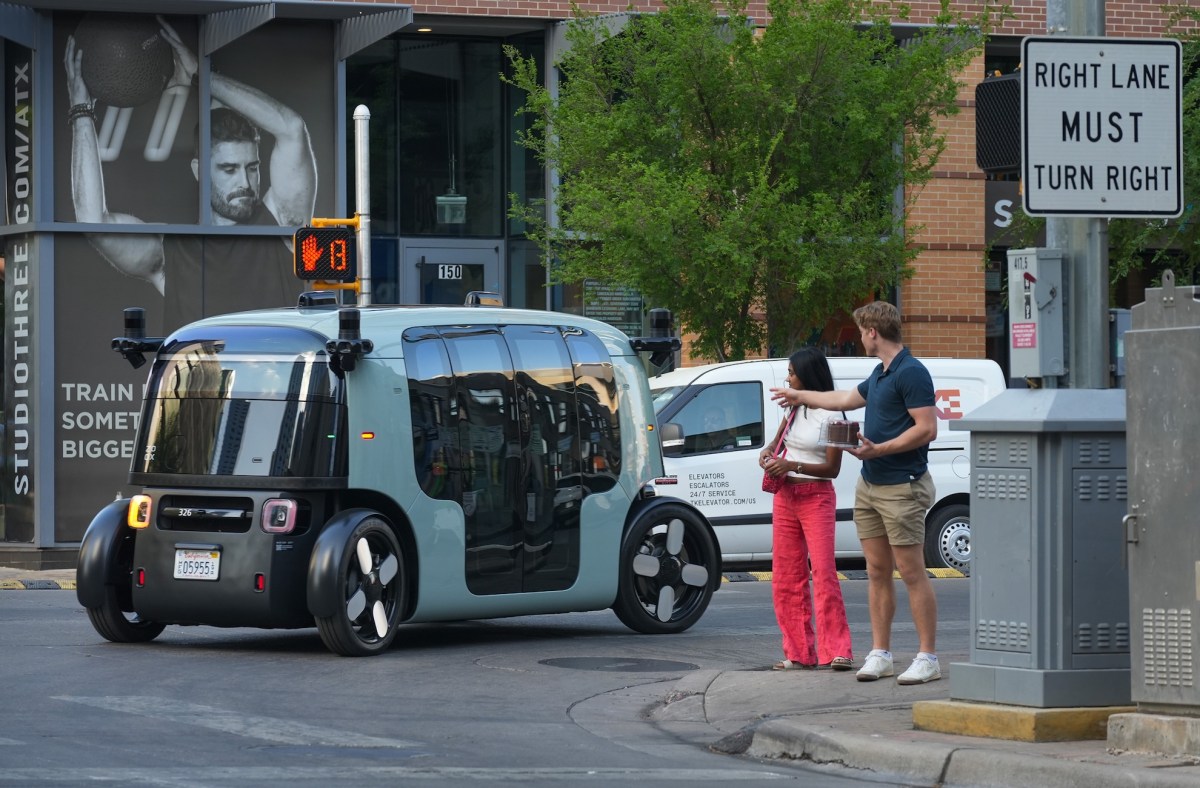
Here’s what happened: The US federal government handed the self-driving company Zoox a temporary exemption from eight federal safety standards, which means it can finally start charging passengers for rides in its custom-built robotaxi. Meanwhile, San Francisco’s mayor asked state regulators to tighten rules after Waymo robotaxis froze in heavy July 4 traffic, ran out of power, and blocked key streets. You have one government pushing the accelerator, and another slamming the brakes. One week. Same industry. Completely opposite directions.
If you think that doesn’t touch your business, think again. This tug-of-war is a perfect mirror of what you face every time you consider a new software tool, an AI assistant, or any automation. The technology looks ready. The hype says “adopt now.” But the real world — roads, regulations, customers, unpredictable conditions — says “not so fast.”
TL;DR: Robotaxis are caught between federal approvals and local resistance. For Malaysian SMEs, the lesson isn’t about self-driving cars. It’s about timing, local fit, and not betting your entire business on a technology that hasn’t proven itself in your environment.
What This Means (In Plain Language)
Let’s unpack the jargon. A robotaxi is a self-driving taxi with no human driver. The US National Highway Traffic Safety Administration allowed Zoox to skip eight standard vehicle requirements, which was one of the last hurdles before charging customers in Las Vegas. On the same week, a California congressman proposed a bill for national safety standards, citing “an unacceptable number of incidents where autonomous vehicles inadvertently interfere with emergency responders,” as reported by TechCrunch Mobility.
So you have a federal agency pushing forward, city officials pulling back, and the vehicle companies stuck in the middle. That’s not chaos — that’s reality. Technology never rolls out evenly. One level of government approves, another gets anxious, and businesses have to adapt. The same thing happens in your industry, just at a smaller scale.
You’ve probably experienced it yourself. You buy an accounting app that works beautifully, but then your accountant’s software can’t sync with it. You try a new CRM, but your team refuses to use it. The tool worked in a demo, but not in your actual workflow. The robotaxi story is the same — just with bigger vehicles and higher stakes.
The story isn’t about robots driving cars. It’s about how every exciting technology still needs a road that’s ready for it — and your business should never assume the road is built.
How This Applies to Malaysian SMEs
First, don’t build your strategy around a single shiny technology. In Malaysia, you don’t need to worry about robotaxis hitting your streets tomorrow. But you do need to worry about whether that new AI-powered customer chatbot, drone delivery partner, or automated inventory system will actually survive contact with your daily reality. Look at how Florida redirected US$200 million — originally allocated for EV charging stations — into building landing pads for electric flying vehicles instead. Policy shifted, and plans changed overnight. If that can happen to a US state government’s transport budget, it can happen to your software vendor’s roadmap. Maintain flexibility in your own plans.
Second, use the lag time to your advantage. While Waymo, Zoox, Baidu, and Uber fight their regulatory battles abroad, Malaysia is still in the early stages of mainstream automation. That’s not a reason to sit still — it’s a reason to automate the boring, reliable parts of your business now. Maybe that’s automating your appointment reminders, your invoice chasing, or your staff shift scheduling. The moment robotaxis actually arrive in Kuala Lumpur or Penang is the moment you want your internal systems to be running smoothly, not the moment you rush to digitise your operations. Big players like GM and Ford have already scaled back their electric vehicle talk compared to before the pandemic, according to a seven-year analysis of their earnings calls. Even giants retreat when hype meets reality. You don’t need to be on the bleeding edge; you need to be on the practical edge.
Third, test before you commit. The robotaxi industry’s biggest stumble was Waymo’s July 4 incident — cars that ran out of power and blocked streets, making traffic worse. For a company that had been testing for years, that was a humbling reminder that real-world conditions always beat controlled demos. For your SME, this translates to a simple rule: pilot a small batch first. Try a new point-of-sale system at one branch, or a new inventory tool for one fast-moving product line. Don’t buy a 12-month contract for a full enterprise system based on a salesperson’s demo. London is shaping up to be the next robotaxi battleground, with Baidu and Waymo testing and companies planning to invite the public by 2027. That gives you roughly two years of runway to sharpen your own automation basics before the transport landscape around you shifts.
Practical Takeaways
- Identify one repetitive task in your business this week and automate it with a free or low-cost tool — no need to get your whole team involved yet.
- Read local and industry-specific news, not just global tech headlines. A breakthrough in the US doesn’t mean it’s practical in your market.
- Run a two-week pilot with any new software before committing to a full rollout.
- Build escape hatches into vendor contracts — make sure you can cancel or downscale without huge penalties if the tech underdelivers.
- Keep digitalising the basics — records, payments, customer data — so that when the next big technology wave hits, you’re ready to plug in.
The Bigger Picture
Here’s what the robotaxi battle tells us about the next five years. Autonomous vehicles and drone deliveries are coming to more cities, including eventually Malaysia. But the path will be messy. There will be regulatory flip-flops, pilot programmes that die quietly, and big announcements that fizzle. The Zoox exemption and the San Francisco pushback in the same week are a preview of what “progress” really looks like — uneven, conflicted, and often frustrating.
For a small business owner, that’s actually a relief. You don’t have to be first. You just have to pay attention, stay adaptable, and keep your operations clean. When the dust settles — whether that’s in two years or five — you want to be the business that can quickly adopt what actually works. The companies that fail are the ones that overinvest in unproven tech, or the ones that ignore the signals entirely and get left behind with manual processes.
So let the robotaxi companies fight their regulatory battles. Let the billionaires argue about test drives and safety standards. Your job is simpler: watch the trend, learn the pattern, and build a business that can switch lanes quickly when the road ahead finally becomes clear.
| Signal from the article | What it means | Your SME takeaway |
|---|---|---|
| Zoox gets federal approval but no local guarantee | Technology can be legal at one level, rejected at another | Check your local compliance before adopting new tools |
| Waymo vehicles blocked roads after running out of power | Real-world conditions break even well-tested products | Run small pilots, not big-bang rollouts |
| Florida shifted US$200M from EV chargers to flying-taxi pads | Government priorities can change overnight | Don’t depend on one technology or funding source |
| GM and Ford talk less about EVs than before the pandemic | Even giants pull back when hype exceeds reality | Stay patient, focus on customer needs, not vendor promises |
Ready to Streamline Your Operations?
Your business should run itself. AutoRunBiz deploys AI agents to automate your daily operations — WhatsApp orders, invoicing, customer follow-ups, and accounting. Book a free 15-min ops audit to see where automation fits your business →