
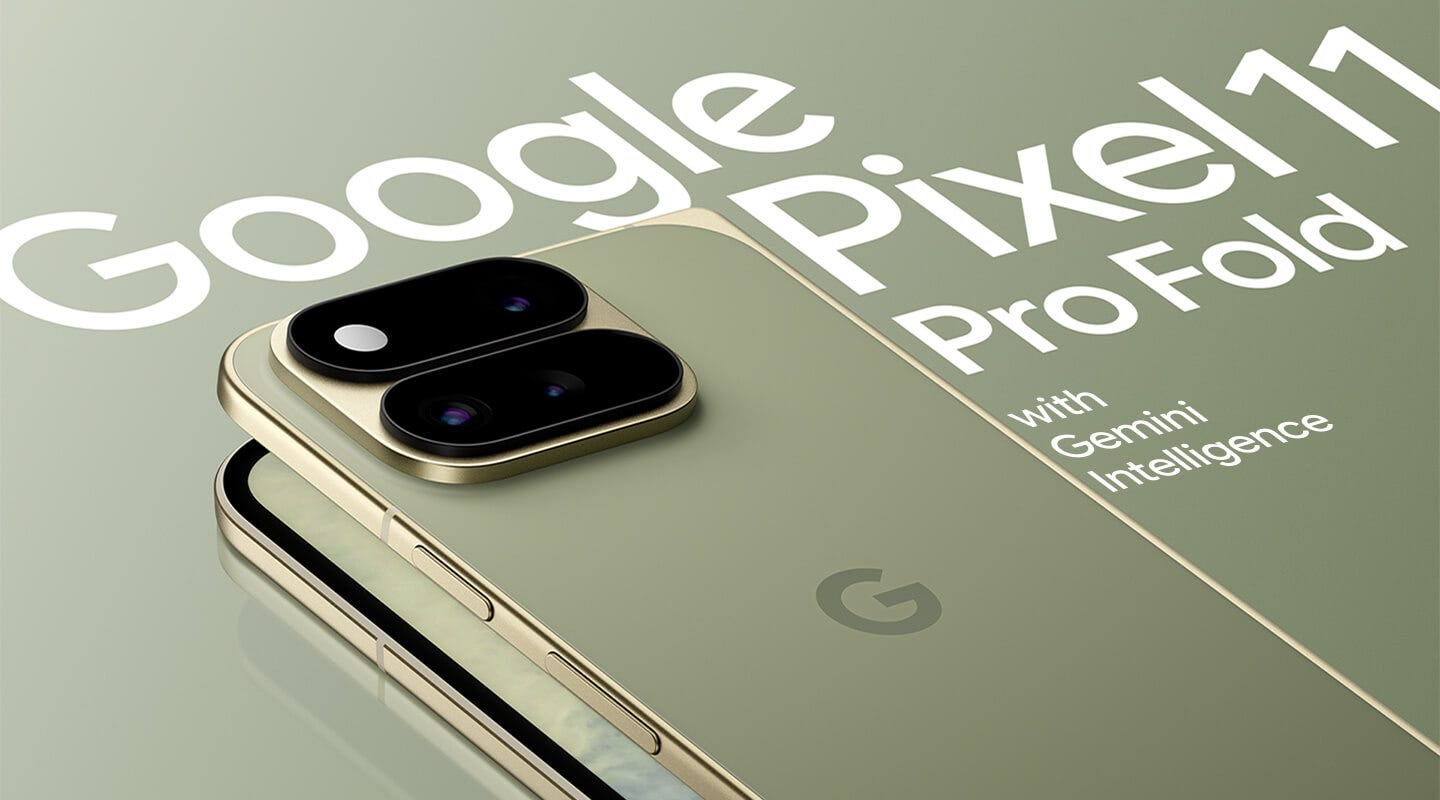
That Pixel 11 Headline in Your Feed? It’s a Planning Signal, Not Just a Notification
You open your phone this morning and there it is: official-looking renders of the Google Pixel 11 and Pixel 11 Pro Fold have leaked online. You scroll past. You have customer messages, a staff schedule, and a supplier chasing you. Who cares about a phone leak when the business won’t run itself?
Here’s the part worth pausing on: you probably have a drawer full of staff phones that are two, three, or four years old. Cracked screens held together with tape. Batteries that give up before lunch. And when the Pixel 11 officially lands in Malaysia, the quiet question starts again — “should we refresh the team’s phones?”
This leak isn’t gossip for tech fans. It’s an early warning system for business owners who make device decisions that affect real people doing real work every single day.
TL;DR (If You Read Nothing Else)
- The leaked renders mean Google’s launch window is months away, not years — the design is already locked.
- For Malaysian SME owners, the real story is device planning: when to refresh, which staff get what, and how long your phones will stay secure.
- Don’t make a knee-jerk phone order. Wait, compare, and plan around software support — not launch hype.
What This Actually Means
When a well-known tipster like Evan Blass (evleaks) publishes renders, those aren’t fan-made guesses. They’re near-final designs — digital mockups of the actual product Google intends to ship, straight from supply chain leaks. The Pixel 11 and Pixel 11 Pro Fold renders show exactly what Google is preparing. For the average consumer, it’s an “ooh, shiny” moment. For you, it’s actionable intel.
Renders equal progress. They mean the phone’s design is final, production lines are warming up, and the official reveal is a matter of months. That gives you a clear picture of what’s coming — and a clearer calendar for your own decisions.
The other piece is Google’s software support policy. Pixel devices get seven years of updates. That’s not a spec-sheet flex; it’s a practical guarantee about how long a device stays useful and secure. Buy a Pixel today and you’re not replacing it next year — or the year after.
“A phone leak isn’t about the phone. It’s about the calendar. When you run a business, every device decision is a timeline decision — and the Pixel 11 just gave you a window.”
What This Means for Malaysian SMEs
Let’s get specific about your world. You run a business with maybe five, fifteen, or forty people. You buy phones for field staff, for your sales team, for yourself. And every purchase locks you into a choice for the next two to three years: hardware reliability, security coverage, and how easily your people can actually do their jobs without fighting their devices.
First, think about refresh cycles. The Pixel 11’s imminent arrival means the Pixel 10 — last year’s model — enters its mature phase: still fully supported, still fast, but no longer the shiny new thing. That’s actually good news for you. You don’t need to put the newest phone in everyone’s hands. Give the new flagship to your heavy users — the ones who video-call clients, edit quotes on the go, and juggle five apps at once. Give the previous generation, which still has over five years of updates left, to staff who mainly need WhatsApp, email, and a decent camera.
Second, the Pixel 11 Pro Fold specifically. A foldable might sound like a luxury gadget, but picture your site supervisor toggling between a floor plan and a photo for a client. Picture your merchandiser doing stock checks while answering supplier calls. Picture your salesperson showing a catalogue to a walk-in customer without squinting at a small screen. The Pro Fold opens into a mini-tablet when needed — one device instead of two, no extra bag, no “leave the tablet in the truck” problem. For Malaysian SMEs in construction, retail, logistics, and F&B, that’s not a gimmick; that’s a tool that removes friction from a working day.
Third, security. Malaysian SMEs are frequently targeted by scam calls, phishing messages, and WhatsApp fraud. A phone that no longer receives security patches is an open door you can’t see — and your staff carry customer data, payment screens, and vendor contacts on those same devices. Google’s long update commitment means your team’s phones stay patched for years, not just until the next model comes out. That reduces a whole class of risk you never get a notification about.
There’s also the local angle. Google has been steadily building its official presence in Malaysia, which means proper support and warranty channels for Pixel devices. Going through grey-market sellers might save you a headache on paper, but it often leaves you stranded when a unit fails and nobody local will help. The Pixel 11 launch is a reminder to keep purchases within official channels — for your own sanity, not just for the device.
And don’t underestimate the rhythm of the Malaysian business calendar. Chinese New Year, Raya, Merdeka — your busy seasons. The phone you hand a new hire during a peak month is the phone they’ll carry through the next three peak seasons. Timing your device refresh matters more than getting the newest model on day one.
Practical Takeaways: Your Device Plan in Six Steps
- Hold your orders. Wait for official Malaysian availability and local warranty confirmation before committing to any fleet purchase.
- Audit your current fleet. Write down every staff phone and which Android version it runs. Which ones are still within their update window? Which are obsolete?
- Match devices to roles. Heavy multi-taskers get the new flagships; light users get older — but still supported — models.
- Set a refresh rule of thumb. Replace a device only when it stops receiving security updates or physically fails — not when a new model catches your eye.
- Evaluate foldables for field staff. If your team currently carries both a phone and a tablet, the Pro Fold might collapse that into one.
- Buy through official channels. Grey-market units can compromise data security and leave you with zero local support when things go wrong.
Which Phone Tier Goes to Which Role?
| Staff Role | Device Tier | Why |
|---|---|---|
| Owner / General Manager | Latest flagship (e.g., Pixel 11 Pro) | Heavy video calls, document review, banking apps — you need the latest security and the strongest camera for impromptu content. |
| Field / Site / Logistics staff | Foldable or flagship with strong camera | Photos, maps, plans, and customer sign-offs in one device. They can’t carry a tablet around a site. |
| Sales / Marketing | Previous-gen flagship (still fully supported) | Strong camera and smooth social media use, without paying the “newest silicon” premium. |
| Office / Admin staff | Older supported model | Email, calendar, and WhatsApp — anything within its security window still does the job. |
The Bigger Picture
Google pushing Pixel hard in Malaysia isn’t a one-off event. Each generation — and each official launch — raises the bar for every other brand. For SMEs, that’s a healthy problem: more choice, better support policies, and phones that stop being disposable items.
More importantly, on-device AI is becoming standard. Transcription of meeting minutes, smart call screening, live translation for conversations with suppliers abroad — these features now appear directly on Pixel devices. For a Malaysian business owner who’s constantly in a meeting, on a call, or chasing a vendor, those are small time-savers that compound every single day.
Long-term, the smartphone is no longer something you replace when an advertisement tells you to. It’s a managed business asset with a lifespan you can predict. The Pixel 11 leak is just the latest reminder to build your device plan around what you control — support timelines, staff needs, and your business calendar — rather than what tech companies release.
So yes, the renders leaked. But the real subject was never the phone. It’s how deliberately you plan for what’s next.
Ready to Streamline Your Operations?
Your business should run itself. AutoRunBiz deploys AI agents to automate your daily operations — WhatsApp orders, invoicing, customer follow-ups, and accounting. Book a free 15-min ops audit to see where automation fits your business →