
The Phone Call That Didn’t Feel Like a Robot
You know the feeling. You call a company, the line clicks, and a flat robotic voice starts reciting, “Your call is important to us.” Within three seconds, you’ve already checked out mentally — you’re dealing with a machine, and you’re bracing for a frustrating transfer.
Now flip it. A customer calls your shop, your clinic, your restaurant. Someone picks up on the second ring. The voice is warm, quick, comfortable switching between Bahasa Malaysia and English, and never makes the caller repeat themselves. The caller never finds out it’s not a person.
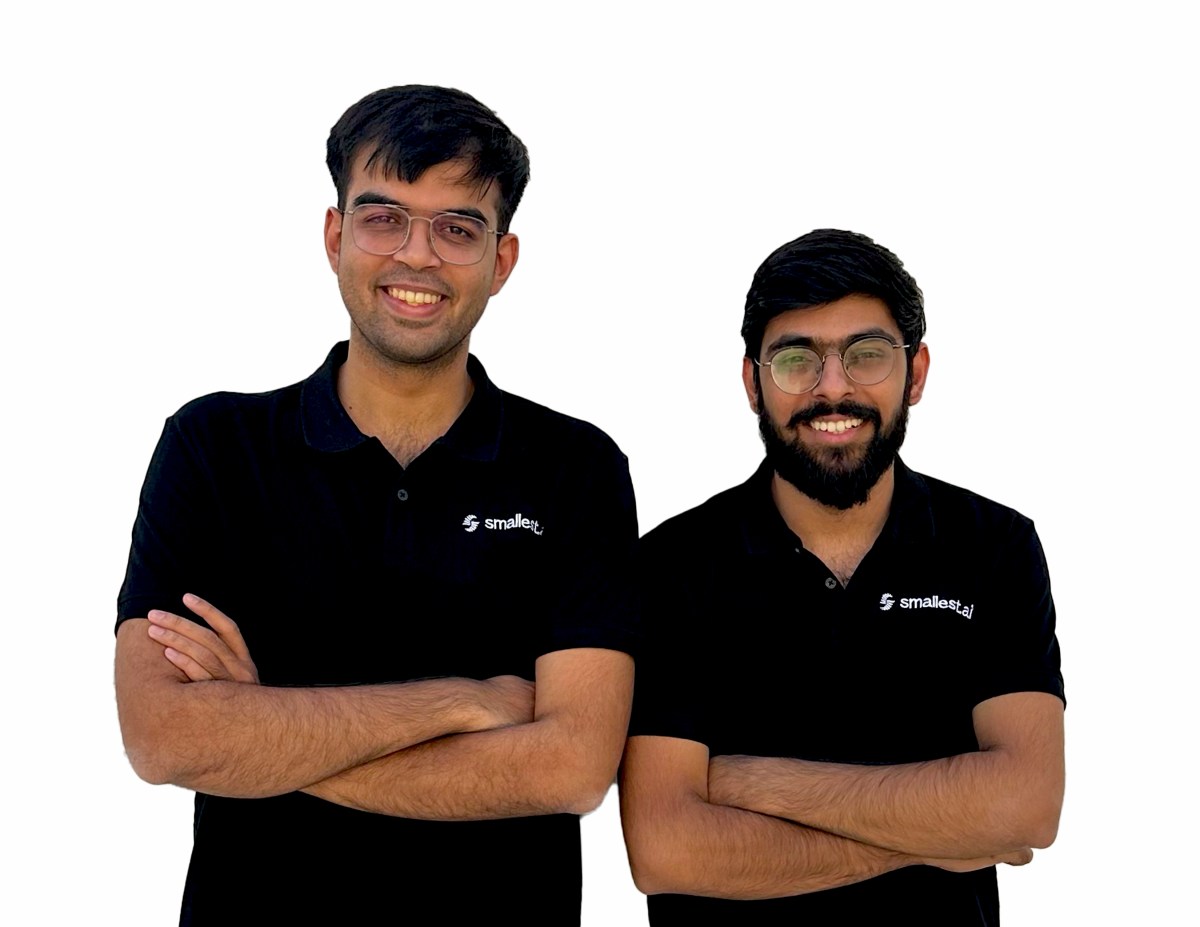
That gap between “robotic phone tree” and “genuinely human conversation” is exactly what a startup called Smallest.ai is chasing. The company just raised US$13 million to build voice AI that listens, thinks, and speaks at the same time — the way humans actually talk (TechCrunch).
TL;DR: A new breed of voice AI uses small, specialised models instead of giant language models to hold phone conversations with almost zero lag. It can handle interruptions, noisy backgrounds, and multiple languages — and hand off to a human when things get complex. For Malaysian SMEs, this changes how you handle booking calls, after-hours enquiries, and missed calls.
What This Means in Plain Language
Most of the voice AI you’ve heard so far is a text chatbot wearing a voice costume. The language model needs your full sentence before it starts “thinking,” then it generates a complete reply, and only then does it start speaking. In a text message, that delay is harmless. On a phone call, even a two-second pause feels cold and unnatural.
Smallest.ai works differently. The company, founded in late 2024, built a small voice-specific model that processes speech as it hears it — listening and preparing a response at the same time, just like a human does (TechCrunch). It can even cope with you interrupting it, or it can interrupt you politely when it already knows the answer.
That last point matters more than you’d think. The founder, Sudarshan Kamath, described it this way: “While I’m speaking to you, you’re already thinking, and you might interrupt me if I talk for too long.” That’s not a flaw in a conversation — that’s what being human sounds like.
And here’s the clever part: when the small model hits a question outside its scope, it doesn’t bluff. It hands the query to a larger foundational model, puts the caller on hold briefly to “research,” and comes back with an answer — exactly like a staff member saying, “Let me check on that for you.”
“You should speak to our model and not know it’s AI or human. That’s the sole focus of the company.” — Sudarshan Kamath, CEO of Smallest.ai (TechCrunch)
How This Actually Applies to Your Business
Malaysian SMEs live and die by the phone. If you run a clinic, every missed appointment call is a patient who booked elsewhere. If you run a restaurant, every unanswered reservation query during the Friday rush is a table sitting empty. If you’re an electrician, a plumber, or an aircon repair technician, a missed call is often a lost job — the customer simply calls the next name on Google.
Voice AI that sounds genuinely human changes this picture. You’re not buying a “phone robot” that customers resent. You’re buying a virtual receptionist that answers on the first ring — at 11pm, during the CNY holidays, or while your one admin staff is stuck in a meeting. It speaks in a natural, conversational tone instead of the monotone that makes callers hang up.
The language factor matters more in Malaysia than almost anywhere else. Your customers flip between Bahasa Malaysia, English, Mandarin, and Tamil — sometimes in the same sentence. The TechCrunch report notes that Smallest.ai focuses on “handling diverse accents, supporting dozens of languages, and operating in noisy environments” (TechCrunch). The noise part is critical here. Think of a restaurant booking line with a live band playing, or a workshop surrounded by machinery. A model that breaks down in background noise is useless in Malaysia; one that doesn’t is genuinely valuable.
Look at what most Malaysian SMEs actually handle on the phone. Confirming appointment times. Answering “what time you all open?” in Manglish. Taking takeaway orders. Explaining why a delivery is late. These are repetitive, high-volume interactions. They don’t need a doctorate-level AI — they need a voice that doesn’t frustrate the caller. That’s exactly the niche these small models target. The fact that established voice platforms like RingCentral and Truecaller are already customers is a strong signal that this approach is production-ready (TechCrunch).
There’s one more angle: consistency. Your best counter staff member — the one who remembers regulars and speaks warmly — takes leave, resigns, or gets promoted. A voice agent trained on that interaction style gives you a consistent front door every single day. You’re not replacing your people; you’re making sure the first impression is never a gamble.
Where Malaysian SMEs Could Use This First
| Industry | Scenario | Why It Fits |
|---|---|---|
| Clinics & dental practices | Booking, rescheduling, lab result enquiries | High call volume, narrow scope, clear FAQs |
| Restaurants & F&B | Reservations, takeaway orders during peak hours | Noise handling; staff stay on the floor |
| Electrical, plumbing & AC services | After-hours calls, emergency requests | Never miss a job lead at midnight |
| E-commerce & retail | Order status, returns, WhatsApp voice notes | Repetitive answers delivered consistently |
| Car workshops & spare parts | “Is the part ready?” “What time can I drop off?” | Specific knowledge base, high repeat calls |
Practical Takeaways
You don’t need to build any of this yourself — and you shouldn’t try. But you should start evaluating your customer service tools with this shift in mind. The “robotic voice” problem is being fixed at the model level, not through better scripts. Here’s what to do:
- Track which incoming calls are repetitive. Those are the first candidates for voice AI — not the complex, emotional ones.
- Count how many calls you miss per week. If it’s more than a handful, an always-available voice agent has obvious value.
- Ask vendors about language coverage and noise handling — not just “AI-powered.” Malaysian calls are Manglish-heavy and often loud.
- Demand a clear handoff path. The best systems pass the call to a human colleague when things get complicated.
- Test it yourself from your personal phone. Ask the same messy, half-broken questions your customers ask. If you can tell it’s a machine, so can they.
The Bigger Picture
Kamath’s prediction is worth writing down somewhere: within a few years, every AI agent will rely on two models — a small, instant voice model for real-time conversation, and a larger “deep think” model that gets called in only when needed (TechCrunch). If that holds, the heavy computing requirements of today’s voice AI stop being a barrier. Small models run faster and are easier to specialise. That means this isn’t a tool reserved for giant call centres with big engineering teams — it becomes something a 15-person boutique or a dental clinic can plug into.
The long-term effect for Malaysian SMEs is straightforward: the phone stops being a liability. Right now, a small business without a receptionist has a phone that rings unanswered, or an IVR that annoys everyone. A genuinely human-sounding voice agent closes that gap. It won’t replace the relationships you build with regular customers — but it will make sure you never lose a new customer because nobody picked up.
The businesses that get ahead here won’t be the ones that buy the flashiest AI. They’ll be the ones that identify the 20% of calls eating 80% of their team’s time, and quietly hand those over to a voice that sounds like someone who actually cares.
Ready to Streamline Your Operations?
Your business should run itself. AutoRunBiz deploys AI agents to automate your daily operations — WhatsApp orders, invoicing, customer follow-ups, and accounting. Book a free 15-min ops audit to see where automation fits your business →