
Your Future Employees Are Being Trained Differently — Here’s What SMEs Need to Know
If you’ve tried to hire in the last year, you already know the pain. The candidates you see might have the paper qualifications, but do they have the real-world skills your SME needs? The education landscape is shifting rapidly, and it’s not just about universities anymore. Schools like Sri Bestari International School are now rolling out strategies specifically designed for an AI-driven economy, combining robotics, coding, and global career pathways. This isn’t just news for parents — it’s a signal for every Malaysian small business owner about the kind of talent that’s about to enter your workforce.
The way young people are being prepared for careers is changing fundamentally. Instead of just chasing exam scores, institutions are focusing on skills that actually matter in a modern workplace: critical thinking, adaptability, technological confidence, and global outlook (Source). For you, the SME owner, this means the talent pool is evolving. But are you ready to tap into it?
Let’s break down what this shift means for your business, and how you can position your SME to benefit from it.
TL;DR: The education system is pivoting from purely academic achievement to skill-based learning with AI and global exposure. For SMEs, this means a more capable talent pool but also a need to adapt your own hiring and training processes. Understanding these changes now can help you attract and retain the best emerging talent.
What This Means
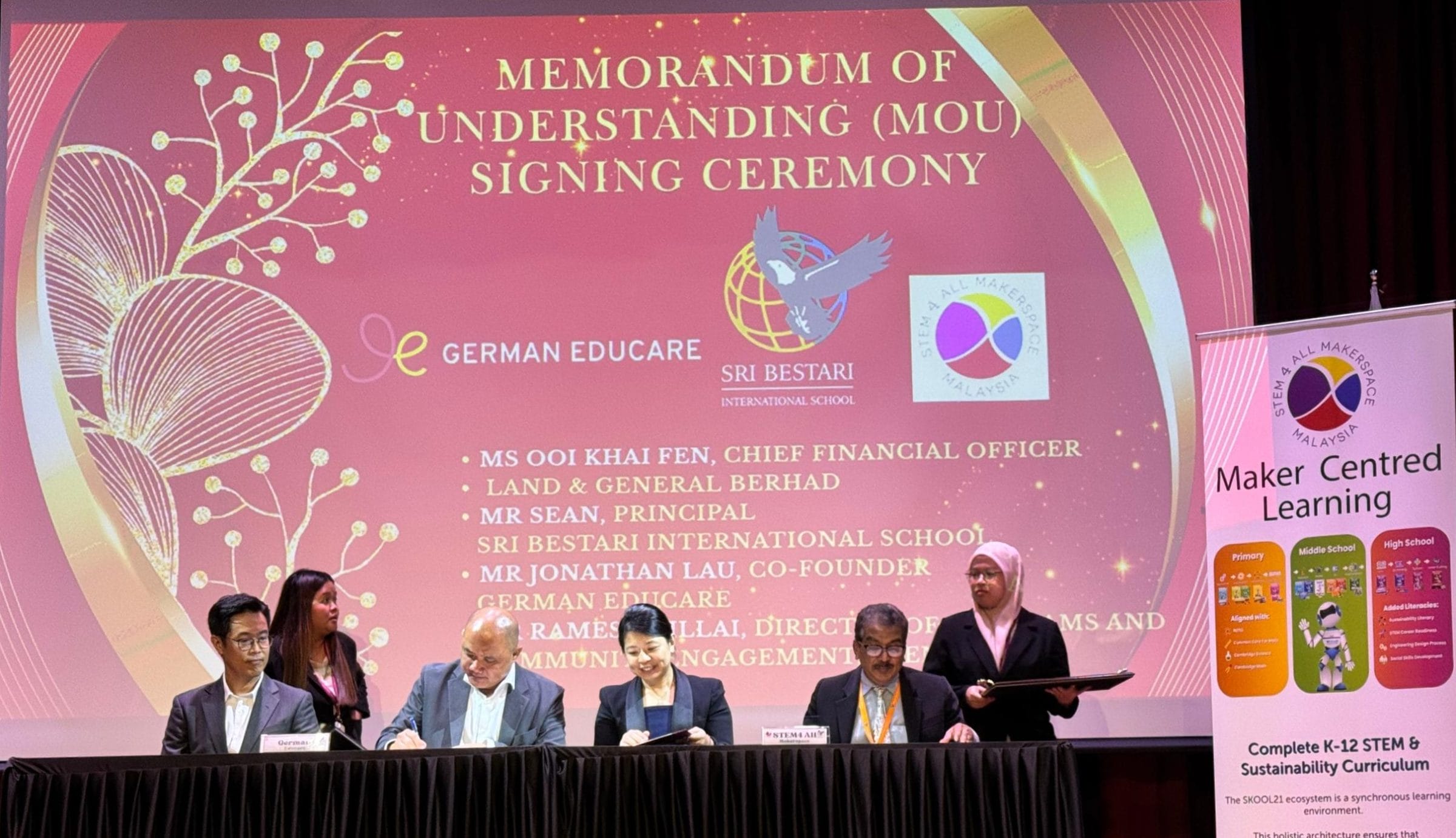
At its core, the strategy outlined by Sri Bestari International School is about preparing students not just for a job, but for a career that can adapt to technological changes. Through partnerships with German Educare and STEM4ALL, the school is embedding robotics, coding, and applied STEM into its curriculum, along with German-language education for global opportunities (Source). This is a move away from rote learning towards experiential, project-based education.
For your SME, this is directly relevant because the students graduating from such programs will have very different expectations and skills compared to traditional graduates. They’re likely more comfortable with technology, better at problem-solving, and more globally aware. They may also expect a workplace that values these traits.
But it’s not just about the students. Sri Bestari is also training its teachers through curriculum co-development and professional upskilling (Source). This highlights a key point: upskilling is essential at all levels. For your SME, this means you need to consider how you’re preparing your current team for an AI-driven world, not just future hires.
How This Applies to Malaysian SMEs
This education trend has three direct implications for you as a small business owner. First, when you hire in the next few years, you’ll see candidates who expect to work with technology from day one. If your SME relies on outdated processes, you might struggle to attract this talent. Second, your existing employees will need upskilling to keep up with these new entrants. Third, the global focus means you might have access to talent with international perspectives, which can help your business expand.
Consider a real use case: Imagine you run a small manufacturing firm in Penang. With the rise of AI and robotics in education, fresh graduates will have exposure to coding and engineering design. This means you can expect them to adapt faster to automated systems on your factory floor. Instead of spending months training them on basic tech, you can focus on advanced applications. This can give your SME a competitive edge in efficiency.
Another example: If you’re in the service industry, say a logistics company, digital skills are crucial. Graduates from schools with AI-era strategies will have project-based learning experience, meaning they can contribute to process improvements right away. They might suggest using data analytics to optimize routes or automate inventory management. Your SME can leverage this by creating a culture that encourages such initiatives.
For a retail SME, the global exposure is key. If you’re looking to expand into international markets, having employees who understand global standards and speak multiple languages, like German as mentioned in the partnership (Source), can be invaluable. You can start small by hiring interns from such programs to test international strategies without a huge commitment.
“The core lesson for SMEs is clear: the value of a degree is being replaced by the value of applied skills. Your hiring criteria needs to reflect this shift.”
To make this tangible, here’s a quick look at the skills being emphasized in AI-era education versus traditional education:
| Traditional Education Focus | AI-Era Education Focus |
|---|---|
| Memorization and exam scores | Project-based learning and critical thinking |
| Single subject expertise | Interdisciplinary skills like robotics + coding (Source) |
| Local curriculum standards | Global career pathways, e.g., Germany (Source) |
| Teacher-led instruction | Curriculum co-development and professional upskilling (Source) |
This table shows a clear pivot. For your SME, the hiring process should start reflecting these new focuses. Look for candidates who have done projects, not just coursework. Ask about their adaptability and global outlook.
Practical Takeaways
- Update your job descriptions: Instead of listing degrees as the main requirement, emphasize skills like problem-solving, tech confidence, and adaptability. Use phrases like “project-based experience” to attract the right talent.
- Create a learning culture: Encourage current employees to upskill through online courses or workshops. This prepares your team to work alongside new graduates with fresh skills.
- Partner with schools: Reach out to institutions like Sri Bestari for internship programs. This gives you early access to talent and helps you shape skills that match your business needs.
- Focus on applied projects: In interviews, use case studies or give small tasks to see how candidates think critically. This aligns with the project-based learning they would have experienced.
- Think global: Even if your SME is local, hire with a global mindset. Employees with international exposure can help you identify new markets or improve processes.
The Bigger Picture
Long-term, this shift in education will change the entire workforce dynamic. As more schools adopt AI-era strategies, the baseline skill level of graduates will rise. For SMEs, this means the competition for talent will be about more than just salary; it will be about how well your business integrates technology and values skills. If you’re proactive now, you can build a reputation as an employer who supports modern careers.
Moreover, the emphasis on teacher training shows that continuous learning is key. In your SME, you should institutionalize this by setting aside time for skill development. The businesses that thrive will be those that adapt their culture to match the new educational paradigms.
Finally, remember that this isn’t an overnight change. The takeaway is to start small. Review your hiring criteria, talk to local schools, and invest in your team’s skills. Your SME doesn’t need to be a tech giant, but it does need to be ready for the talent that the AI era is producing.
Ready to Streamline Your Operations?
Your business should run itself. AutoRunBiz deploys AI agents to automate your daily operations — WhatsApp orders, invoicing, customer follow-ups, and accounting. Book a free 15-min ops audit to see where automation fits your business →