
One AI Tool Can’t Do It All
Think about the last time you used an AI assistant for your business. Maybe you asked it to draft a customer email, summarize a meeting, or generate a social media post. It felt like magic, right? But what if that same tool also stored your customer data, learned from your business processes, and eventually became the foundation of how you run your company?
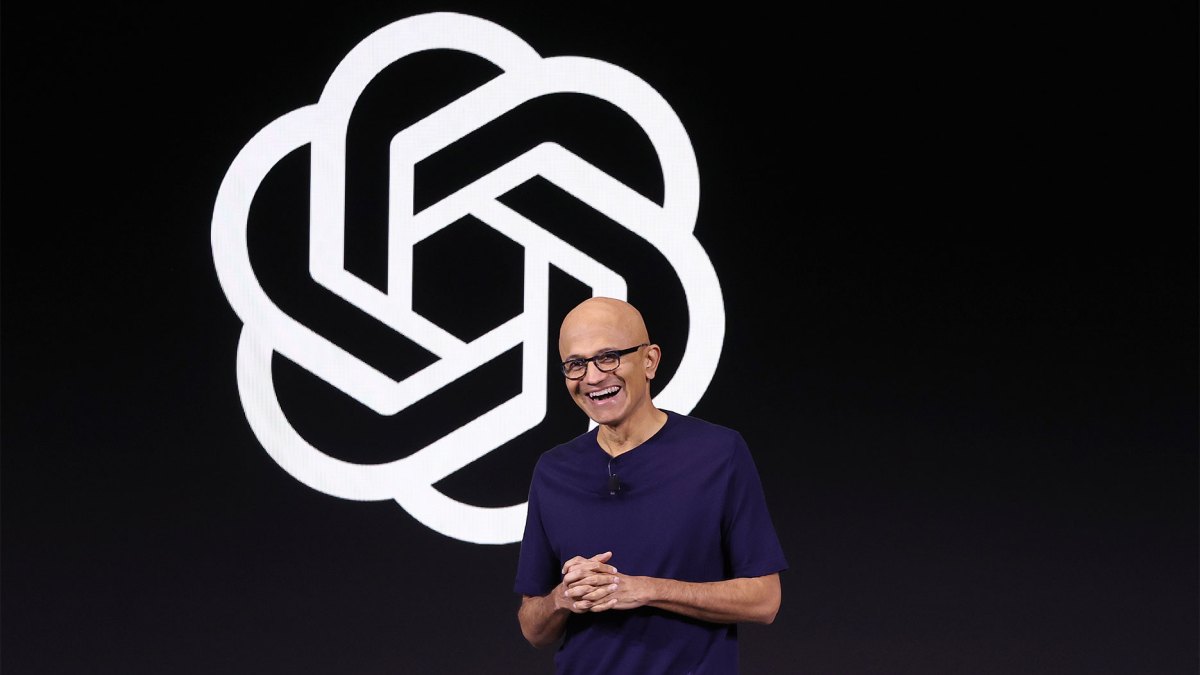
Microsoft CEO Satya Nadella recently warned that relying on a single AI provider could be dangerous for businesses. In an interview, he said companies that outsource their thinking to one AI lab “will not remain a firm” (TechCrunch). This isn’t just big company talk—it’s a relevant warning for Malaysian SMEs like yours.
If you run a small business in Malaysia, you’re likely juggling multiple tools daily. Adding AI should simplify things, not create new dependencies. But as Nadella highlights, without control over your data and model choices, you might be building a house on rented land.
TL;DR:
- Don’t lock your business into a single AI tool—use multiple models to avoid risks.
- Keep your data and usage metadata separate from AI providers.
- Consider open-weight models that you can customize and run yourself.
What This Means
Nadella’s point is about control. When you use an AI tool from OpenAI or Anthropic, you’re sharing data with them. Over time, this creates a risk that they could use your information to build competing services. It’s like giving a supplier the keys to your inventory and customer list.
He advocates for “AI gateways” that separate your prompts from the model itself. This way, you can use different models for different tasks without being tied to one provider. For example, you might use one AI for writing and another for data analysis, all while keeping your business information under your control.
“Every time you use the model, all of the metadata around it is retained by you, so that you could use all of that to train perhaps your own weights or your own open model.” — Satya Nadella (TechCrunch)
This means you should own the records of how you use AI. Just like you keep receipts for expenses, you should keep logs of your AI interactions. This data can help you improve your own systems later.
How This Applies to Malaysian SMEs
Malaysian SMEs are diverse—from nasi lemak stalls in PJ to digital marketing agencies in Penang. AI adoption is growing, but often without strategy. You might use ChatGPT for customer service or Grammarly for content, but if these tools go down or change their policies, your business could suffer.
Consider a boutique in KL that uses an AI chatbot for customer inquiries. If that chatbot is tied to one provider, a service outage or policy shift could force you to revamp your entire setup. Worse, if the provider analyses your conversations to improve their own products, your customer insights might be used against you.
For local businesses, AI needs to be flexible. You might need a model that understands Malay or Chinese dialects, which open-weight models can offer. By using multiple AI tools, you can choose the best for each task—like one for Bahasa Malaysia content and another for English reports. This agility gives you an edge in serving Malaysia’s multilingual market.
Another example: a manufacturing SME in Johor uses AI for inventory management. If the AI provider stores your supply chain data, competitors could benefit. By keeping data on your own servers or using isolated AI tools, you maintain confidentiality. Nadella’s warning about outsourced thinking applies here—your business logic shouldn’t be owned by someone else.
The key is diversification. Just as you wouldn’t put all your savings in one basket, don’t trust one AI for everything. Start with a toolkit of models and platforms that you can swap or combine as your needs evolve.
Practical Takeaways
- Audit your AI use: List every AI tool in your business and identify what data it accesses.
- Separate prompts from providers: Use AI gateways or middleware to anonymize your business data.
- Experiment with open-weight models: Options like Meta’s Llama or Mistral can be tailored to your needs.
- Keep your metadata: Save logs of AI interactions for future optimization.
- Plan for flexibility: Design your workflows so you can switch AI providers easily.
The Bigger Picture
This trend points to a future where AI is more segmented and controllable. For SMEs, this means power in your hands. You won’t be at the mercy of one tech giant. Instead, you can build a custom AI stack that evolves with your business.
In Malaysia, with initiatives like MyDigital and the push for tech adoption, SMEs can lead by creating agile, multi-model AI systems. This approach protects your data, fosters innovation, and ensures you stay competitive without sacrificing control.
Remember, AI is a tool, not a master. Use it wisely, and you’ll thrive.
| Approach | Single AI Provider | Multi-Model Strategy |
|---|---|---|
| Data Control | Shared with provider | Retained by you |
| Flexibility | Low, tied to one model | High, can switch among models |
| Risk of Lock-in | High | Low |
By adopting a multi-model approach, you’re not just protecting your business—you’re future-proofing it.
Ready to Streamline Your Operations?
Your business should run itself. AutoRunBiz deploys AI agents to automate your daily operations — WhatsApp orders, invoicing, customer follow-ups, and accounting. Book a free 15-min ops audit to see where automation fits your business →