
The Silent Ban You Can’t Afford to Ignore
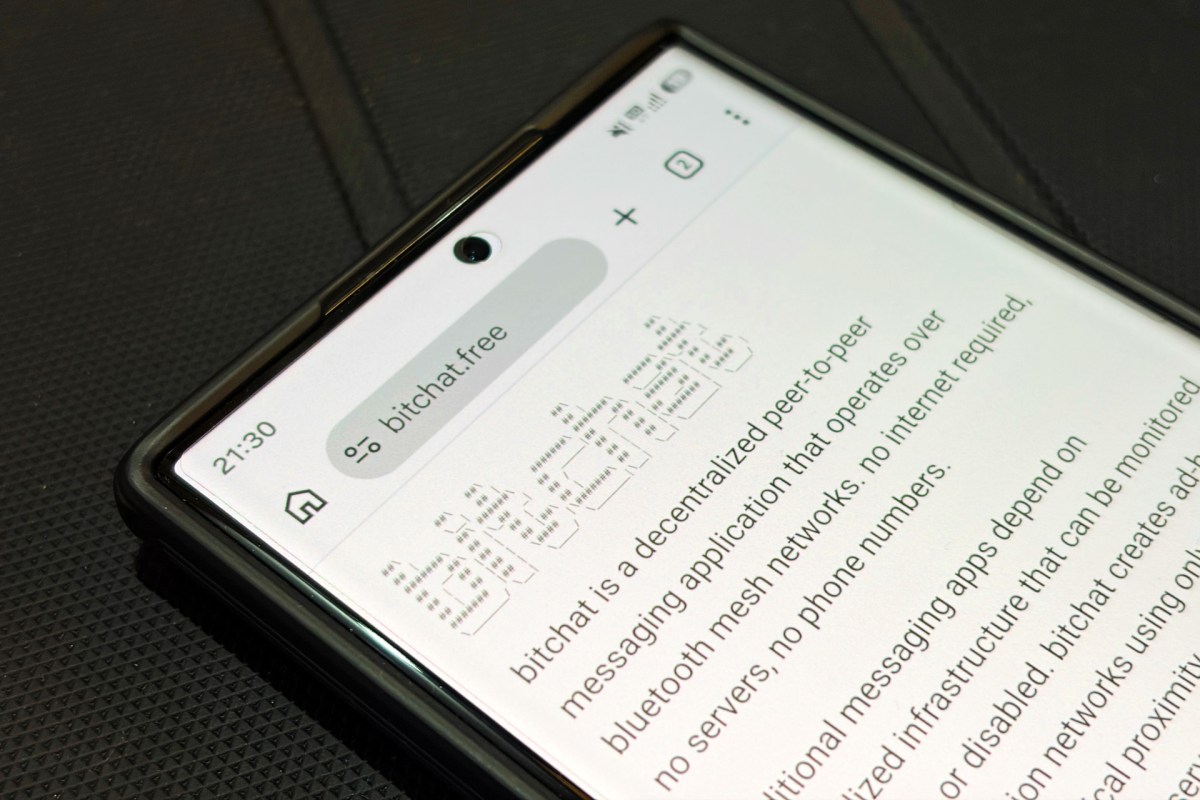
You probably haven’t heard of Bitchat. It’s an offline messaging app created by Jack Dorsey, the founder of Twitter. Last week, the Indian government tried to get its source code completely removed from GitHub [Source: TechCrunch].
This isn’t just another Silicon Valley drama playing out overseas. For Malaysian SME owners, this single legal salvo is a massive red flag for the future of business communication, data control, and operational resilience. If you rely on connectivity to run your business—and you do—you need to understand exactly why this matters.
What Actually Happened in India?
Jack Dorsey posted a notice on X from India’s Ministry of Home Affairs. The document demanded that GitHub restrict access to three repositories for Bitchat… within three hours [Source: TechCrunch]. The government’s reasoning was immediate and chilling: Bitchat’s architecture. The notice argued that the app’s anonymous, decentralized nature “could facilitate unlawful activity.” It specifically highlighted that the app allows communication “even during network restrictions” and “internet shutdowns,” making “lawful interception, attribution, and traceability” difficult [Source: TechCrunch].
This action happened against the backdrop of massive student protests in India, known as the “cockroach” movement, where authorities had shut down the internet [Source: TechCrunch]. Protestors immediately turned to offline messaging apps like Bitchat and Briar to coordinate their movements. The app’s downloads exploded. Market intelligence provider Sensor Tower shared data that showed India accounted for about 85% of the app’s global downloads between July 17 and July 23, compared with about 1% over the previous 30 days [Source: TechCrunch]. Daily active users hit over 330,000.
Why This is a Direct Hit on Your SME Operations
Let’s bring this directly to your office in Malaysia. Your business lives and dies by connectivity. You rely on WhatsApp for customer communication, Telegram for team updates, and cloud-based software for automation. But what happens when the network goes down? Whether it’s flash floods in the Klang Valley, scheduled maintenance by your telco, or internet shutdowns related to political events, your digital lifeline can be severed instantly.
The Bitchat case highlights a tool built precisely for this scenario—a mesh network that uses Bluetooth and peer-to-peer connections, not the internet. The Indian government didn’t ban this tool because it was hosting illegal content on its repositories. It banned it because of its very potential to function when the government turns off the internet [Source: TechCrunch]. For an SME owner, tools like this represent pure business continuity. By trying to kill the open-source code, the government is attacking the principle of resilience itself.
Furthermore, this sets a dangerous legal precedent in our region. The Internet Freedom Foundation eloquently argued that “The order also fails on its own terms as deleting a repository does not delete the application from any phone that carries it, and the mesh keeps functioning without servers. What the takedown actually prevents is scrutiny of the underlying code” [Source: TechCrunch].
Malaysia is currently deep in discussions about its own online safety framework. If the argument that code can be banned for its functional design (privacy, offline capability) wins in India, it opens the door for similar actions against the very tools your business depends on. This is not just a tech policy issue; it is a business continuity issue.
The Digital Divide: A Tale of Two Tech Stacks
| Feature | Standard Cloud Apps (WhatsApp, Telegram) | Offline-First Apps (Bitchat, Briar) |
|---|---|---|
| Internet Required | Yes (No connection = No operations) | No (Connects via Bluetooth/Mesh) |
| Central Server | Yes (Single point of failure) | No (Distributed P2P network) |
| Traceability | High (Metadata tracking potential) | Highly anonymous by design |
| Regulatory Leverage | Target the company (Easier to block) | Target the code (Requires new laws) |
Your Action Plan: 3 Things to Watch Right Now
- 1. Diversify Your Communication Stack. If your entire business relies on a single chat platform, you are vulnerable. Your business continuity plan needs a “no internet” mode. Start evaluating mesh or offline-capable tools for your critical internal teams. You don’t need to switch completely, but you need an alternative.
- 2. Pay Attention to Open Source Attack Lines. The most dangerous part of this takedown is that it targeted the code itself. As digital rights groups pointed out, this stops security experts from auditing the software. If you use open-source tools for your automation and operations, recognize that the fight to keep code open is a fight to keep your security review rights intact.
- 3. Monitor the Regulatory Snowball. The Bitchat case is the ultimate test balloon for regulating “architecture” versus “content.” How the global community reacts to India’s move will directly influence how the Malaysian government approaches its own digital regulation. Watch this story closely—it is a preview of challenges that may land on your doorstep.
“They’re [the Indian government] not just targeting the designated service provider, but they’re trying to say that open source development of this type of product … should not occur.” – Raman Chima, Association for Progressive Communications [Source: TechCrunch]
The Bigger Picture: Your Right to Resilient Tools
The battle over Bitchat isn’t a niche tech story. It is a direct conflict between the desire for state control and the technical architecture of the future. The Indian government’s notice “does not identify specific posts, messages, or repositories containing unlawful material.” It simply didn’t like the architecture [Source: TechCrunch]. This is a massive legal grey area regarding what constitutes “targeting how software works” vs. “targeting what software does.”
For your business, this is a warning signal you cannot afford to miss. The tools that give you the most freedom and resilience—offline communication, end-to-end encryption, decentralized networks—are coming under fire simply because of what they could do. If we allow governments to ban software based on its potential, we hand them a blueprint to dictate exactly how your business can operate in a crisis. That is a risk no Malaysian SME can afford to ignore.
Ready to Streamline Your Operations?
Technology moves fast. Your operations should keep up. AutoRunBiz builds AI systems that run your daily workflows — from WhatsApp order capture to accounting. Book a free 15-min ops audit →