
SpaceX V3 Starlink and Your Business: What You Need to Know
You wake up, grab your coffee, and check the dashboard of your auto-run business. Everything looks fine—until the internet goes down. For Malaysian SME owners, a stable connection is the backbone of operations, from email marketing to inventory management. So when you hear about SpaceX struggling with its latest rocket launch, you might worry about your Starlink service. But this isn’t about current services; it’s about the future of how your business stays connected.
SpaceX just launched the first V3 Starlink satellites—a big step forward for internet capacity—but suffered another booster failure. While it sounds like science fiction, it directly affects how soon you could see faster, more reliable satellite internet in Malaysia. Let’s cut through the noise and focus on what matters for your business operations and growth.
This isn’t about rocket science; it’s about how technology evolves to serve you better—and what you can do to prepare for changes in connectivity.
TL;DR:
- SpaceX successfully deployed V3 Starlink satellites, which promise 20 times more internet capacity per launch than current methods.
- But the rocket booster failed again, meaning a full rollout of these satellites will take longer than hoped.
- For Malaysian SMEs, this signals better satellite connectivity ahead, but with delays. Plan your internet strategy with both current and future options in mind.
What This Means
Starlink is a network of satellites that beam internet directly to your premises, bypassing cables. The V3 version is the latest upgrade, designed to handle more data simultaneously. According to SpaceX, launching 60 of these on its new Starship rocket could increase downlink capacity by 20 times compared to a single Falcon 9 launch. That’s a massive leap for users like you, especially if you’re running bandwidth-intensive tasks like video conferencing or cloud synchronization.
However, the path to deployment isn’t smooth. The Super Heavy booster failed during a simulated landing, marking the second issue with this version. SpaceX is still perfecting the rocket, which means the timeline for deploying V3 satellites globally—including over Malaysia—is uncertain. As the article notes, “without a fully-reusable Starship, progress on Starlink would be at a slower pace.” This directly impacts how quickly you can benefit from faster speeds.
For you, this means: the technology is promising, but patience is needed. The reliability of your internet today depends on current Starlink satellites and other ISPs. But the future could bring significant improvements to your business automation.
How This Applies to Malaysian SMEs
Let’s get specific. Imagine you run a small e-commerce store in Penang. You rely on constant internet for order processing, customer chats, and inventory updates. If you’re using Starlink, you’ve already experienced how it can bypass unreliable terrestrial lines. With V3 satellites, your speeds could improve further, supporting more devices and cloud-based tools like your CRM or ERP systems.
For SMEs in rural areas, like farms in Kedah that use IoT for crop monitoring, or workshops in Kelantan that run automated machinery, Starlink is often the only reliable option. The V3’s higher capacity means you could handle video conferencing with clients, sensor data streams, and data backups without lag. But if SpaceX’s booster issues delay launches, you might have to wait longer for these upgrades—potentially slowing down your automation roadmap.
In urban Malaysia, where fiber is common, Starlink serves as a backup or for temporary setups like trade shows. The enhanced V3 could make it a primary option for businesses that need mobility, such as event planners or logistics companies. For example, if you run a mobile service unit, superior internet could streamline operations with real-time updates.
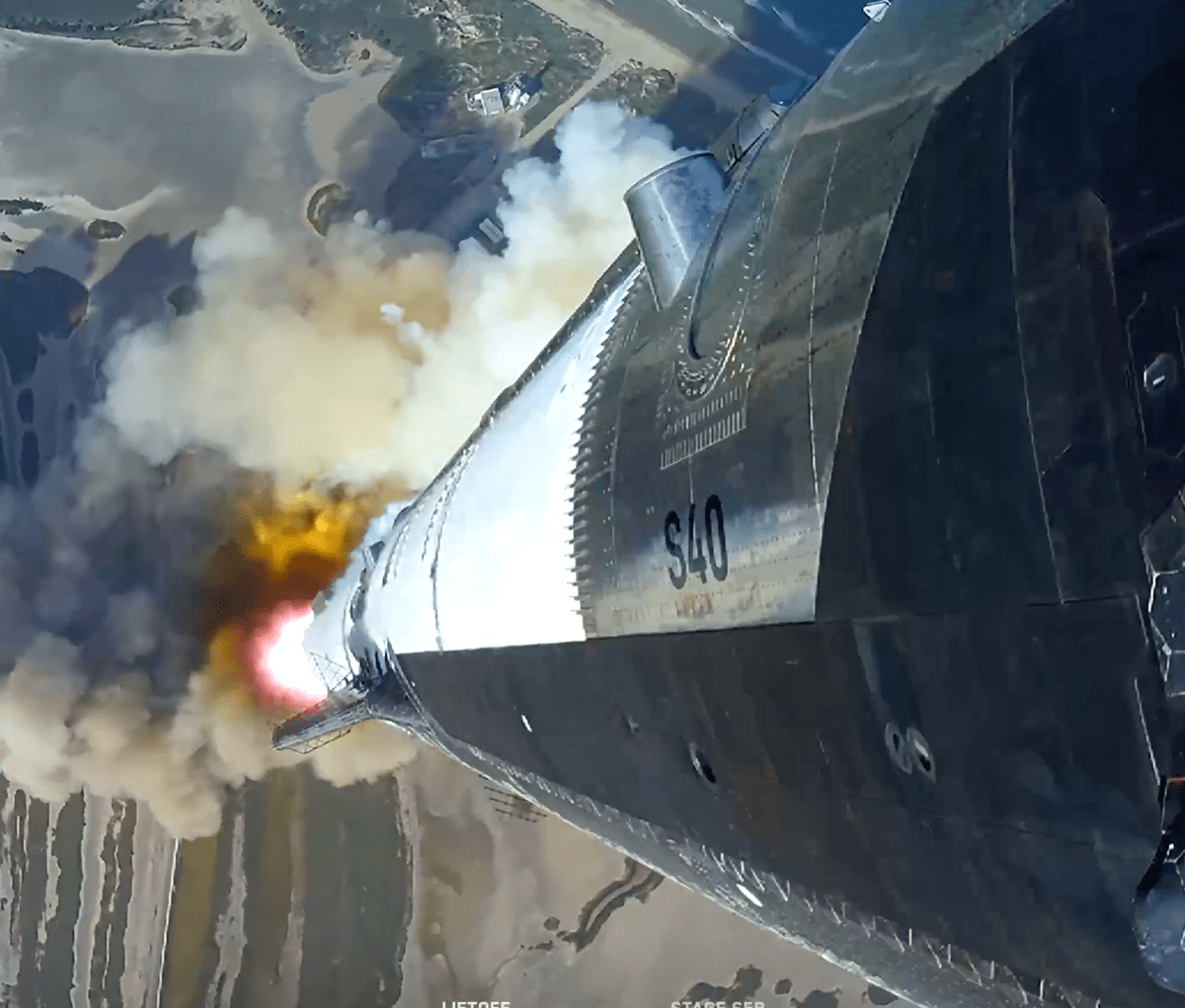
Remember, SpaceX is using Starship to deploy these satellites. As of the latest flight, the upper stage succeeded in deploying the satellites, though they burned up after deployment since the rocket isn’t yet reaching orbit. Still, SpaceX was able to communicate with all of them while they were in space, showing progress. This test flight was the first since the company went public, highlighting its commitment to iterative development.
Practical Takeaways
- Stay informed: Follow SpaceX and Starlink news for when V3 services might reach Malaysia. Companies in the region could see upgrades first.
- Diversify your connectivity: Don’t rely on a single provider. Use Starlink as a backup in remote areas, or combine it with fiber for redundancy in urban settings.
- Optimize your automation: Ensure your tools work with varying internet speeds. Use offline modes or local caching for critical applications.
- Plan for capacity: If your business is growing, consider how improved internet could support more devices, cloud services, or remote work.
- Test your setup: Regularly check your internet performance and adjust your automation tools accordingly.
The Bigger Picture
SpaceX’s efforts are part of a global push to make internet access more equitable. For Malaysia, this aligns with national digital goals like the Malaysia Digital Economy Blueprint. As V3 satellites deploy, they could bridge the connectivity gap between urban and rural areas, empowering SME growth nationwide.
But the booster failure shows that even advanced tech has challenges. It’s a reminder to be realistic about timelines while staying optimistic about innovations. For your business, this means building flexibility into your internet strategy.
Ultimately, this isn’t a setback—it’s a lesson in progress. Companies like SpaceX are iterating quickly, and each test brings them closer to reliable, high-capacity internet for all. For Malaysian SMEs, that means the tools for automation and growth are only going to improve. The key is to stay adaptable.
“The ability to deploy V3 Starlink satellites improves the economics of the company’s space internet network, but without a fully-reusable booster, progress on Starlink would be at a slower pace and higher cost.” SpaceX S-1 filing
Starlink Deployment Potential
| Rocket | Satellites per Launch | Downlink Capacity |
|---|---|---|
| Falcon 9 | ~60 | Baseline |
| Starship (V3) | ~60 | 20x Baseline |
Source: SpaceX statement
For Malaysian SMEs, staying ahead means adopting flexible strategies. Whether you’re in Kuala Lumpur or Kapit, the internet is your link to customers and automation tools. By understanding developments like this, you can make smarter choices for your business needs.
Ready to Streamline Your Operations?
Your business should run itself. AutoRunBiz deploys AI agents to automate your daily operations — WhatsApp orders, invoicing, customer follow-ups, and accounting. Book a free 15-min ops audit to see where automation fits your business →