
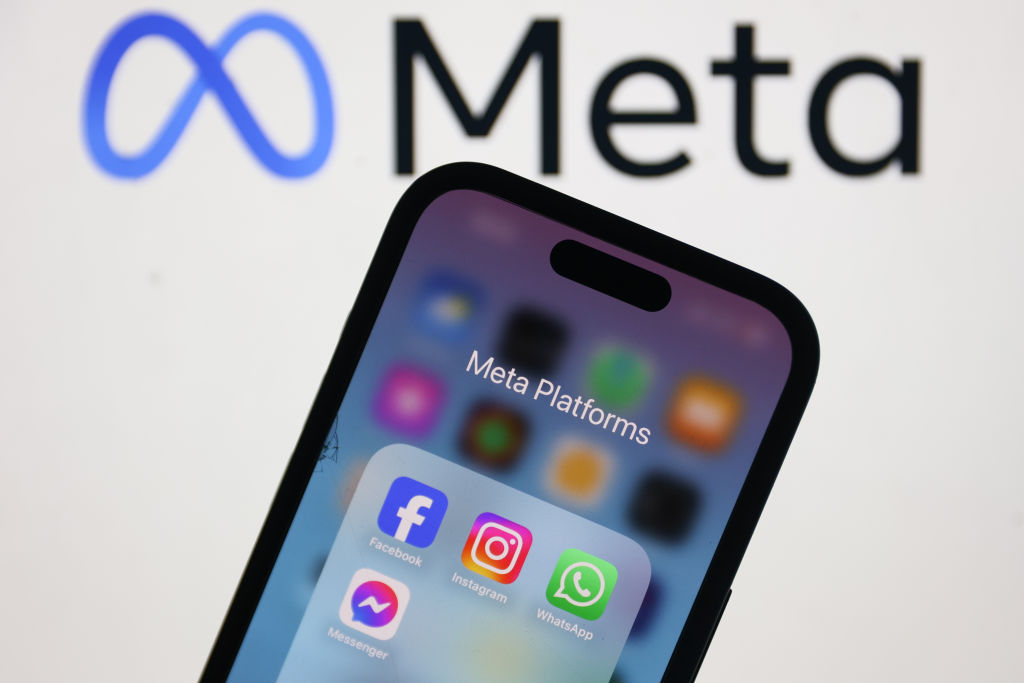
Your Daily Social Media Efforts Could Land You in Legal Waters
You open your phone. Notification from Instagram. A customer complaint. You reply. Then another. You quickly check the analytics on your Facebook page. Hours have passed. This is the rhythm of running a small business in Malaysia. Social media isn’t just a tool—it’s the artery connecting you to your customers. But what happens when the platforms you depend on are accused of designing addiction? And what does it mean for you when a big lawsuit gets dropped?
A recent case against Meta, the parent company of Facebook and Instagram, was dismissed after the plaintiff voluntarily dropped the lawsuit. The teenager, known as R.K.C., had sued Meta, along with Snap, TikTok, and YouTube, for creating addictive platforms. One by one, the other companies settled, but Meta held firm. The trial was set to begin in Los Angeles before the plaintiff chose to withdraw without receiving any payment. This follows Meta’s loss in a New Mexico case earlier this year, where it paid $375 million in penalties for misleading consumers about platform safety Source.
For you, the Malaysian SME owner, this might seem like foreign news. But it hits close to home. Your business likely runs on social media engagement. You use features like infinite scroll, notifications, and algorithms to keep customers interested. The same features being scrutinized in these lawsuits are the ones you rely on. Understanding the landscape can help you navigate risks and build a more sustainable digital strategy.
TL;DR: The dropped lawsuit against Meta doesn’t mean social media platforms are off the hook. It highlights the ongoing debate about platform design and user harm. For Malaysian SMEs, this is a reminder to diversify your marketing channels, understand the ethical use of engagement tactics, and stay informed on regulatory trends that could affect your business.
What This Lawsuit Really Means for Platform Accountability
This lawsuit was part of a broader movement holding tech companies accountable for addictive design. The plaintiff blamed the platforms for harmful experiences caused by features like infinite scroll and non-stop notifications. While this case was dropped, it doesn’t set a precedent that the platforms are innocent. In fact, prior cases have resulted in significant penalties. For example, in a New Mexico case, Meta was ordered to pay $375 million for misleading consumers about safety Source. Another case in March awarded $6 million in damages Source.
The core issue is that platforms are designed to maximize time spent, which can lead to addiction-like behavior. This isn’t just a legal issue; it’s a social one. For businesses, these features are double-edged swords. They help you engage customers but can also create dependency and backlash.
More importantly, the dropped case doesn’t remove the possibility of future litigation. The fact that Meta prepared defenses, arguing the plaintiff only used accounts for minutes per day, shows that engagement metrics are central to these cases Source. This means that if you use similar engagement tactics, you could be indirectly exposed to risks if the regulatory environment changes.
How This Applies to Your Malaysian SME
Malaysia has a vibrant social media ecosystem. Platforms like Facebook, Instagram, TikTok, and WhatsApp are integral to daily operations for many SMEs. Over 30 million Malaysians use social media, and for businesses, it’s a primary channel for brand building, sales, and customer service. But this reliance comes with considerations. The engagement features you use are the same ones being questioned in courts.
Consider your typical marketing strategies. You might run Facebook contests that encourage frequent check-ins. You use Instagram Stories with polls to keep customers engaged. You send push notifications for promotions. These tactics drive engagement, but they also mirror the addictive designs that are under fire. If regulations tighten, your business practices could face scrutiny.
Imagine you own a café in Penang. You use Instagram to post daily specials and interact with customers in comments. You might feel pressured to reply immediately to maintain satisfaction. This creates a cycle of constant checking. While it seems harmless, it contributes to the overall social media usage patterns that concern regulators. Similarly, using WhatsApp Business for instant responses sets expectations for continuous availability, which could be seen as exploitative in a future regulatory climate.
Moreover, Malaysian regulators are paying attention to digital wellbeing. The Malaysian Communications and Multimedia Commission (MCMC) has started discussions on online safety and data privacy. There’s potential for new guidelines that could impact how you use social media for business. For instance, if platforms are required to include usage warnings or limit engagement, it could affect your reach and strategy. Staying ahead of these changes can protect your business from compliance surprises.
Another dimension is customer trust. As awareness of digital wellness grows, customers may prefer brands that respect their time. A business that bombards users with notifications could be seen negatively. Building a reputation for ethical engagement can be a competitive advantage. In the long term, aligning with these values can foster loyalty and differentiate your brand in a crowded market.
Practical Takeaways for Your Business
- Audit your engagement tactics: Review how you use notifications, auto-responses, and content loops. Are you contributing to over-engagement? Consider balancing with off-platform activities like newsletters or in-person events.
- Diversify your marketing channels: Don’t rely solely on social media. Invest in email lists, directly owned websites, or offline community building. This reduces dependency on platforms with controversial features and gives you more control.
- Stay informed on regulations: Follow MCMC updates and global trends. Subscribe to industry newsletters to know about potential changes in platform accountability laws. Knowledge is your first line of defense.
- Focus on value, not volume: Instead of maximizing screen time, aim for meaningful interactions. Quality engagement is more sustainable and less likely to be deemed harmful. Measure success through customer satisfaction, not just clicks.
- Educate your team: Share insights about digital wellness and ethical marketing. Ensure your staff understand the implications of aggressive engagement strategies. A well-informed team can help you pivot quickly when needed.
The Bigger Picture: Long-Term Trends
The dropped lawsuit is a single event in a larger narrative. Social media platforms are under increasing pressure to redesign their products for wellbeing, not just engagement. This could lead to features that limit time spent, like usage warnings or breaks. For SMEs, this means the current marketing tactics may become less effective. You might need to adapt to a world where platforms prioritize user health over daily active users.
“The end of this lawsuit doesn’t end the conversation about platform harm. For businesses, it’s a signal to build marketing strategies that prioritize user well-being over raw engagement metrics.”
In the long run, reputation matters. Businesses that align with ethical digital practices could build stronger trust with customers. In Malaysia, where community and trust are valued, being known as a brand that respects user time can be a differentiator. As regulation evolves, early adopters of responsible marketing will have a competitive edge.
Key Legal Actions Against Social Media Platforms
| Case | Outcome | Penalty/Action |
|---|---|---|
| New Mexico v. Meta (2026) | Meta lost | $375 million penalty Source |
| Los Angeles bellwether trial (2026) | Defendant awarded damages | $6 million in damages Source |
| R.K.C. v. Meta et al. (2026) | Case dropped, no payment | Plaintiff withdrew without compensation Source |
This table shows that while this specific case ended without penalty, other cases have set a precedent with substantial damages. It’s a clear indicator that the legal landscape is shifting, and SMEs need to pay attention.
What This Means for Your Next Steps
This news is more than a legal update. It’s a wake-up call for Malaysian SMEs to rethink their relationship with social media. While platforms remain important for growth, blind reliance on addictive features carries risks. By understanding the trends, you can make informed decisions that protect your business and serve your customers better. The lawsuit may be dropped, but the issues it raised are here to stay. Start auditing your tactics today—your business’s future depends on it.
Ready to Streamline Your Operations?
Your business should run itself. AutoRunBiz deploys AI agents to automate your daily operations — WhatsApp orders, invoicing, customer follow-ups, and accounting. Book a free 15-min ops audit to see where automation fits your business →