
The News That Should Catch Your Attention
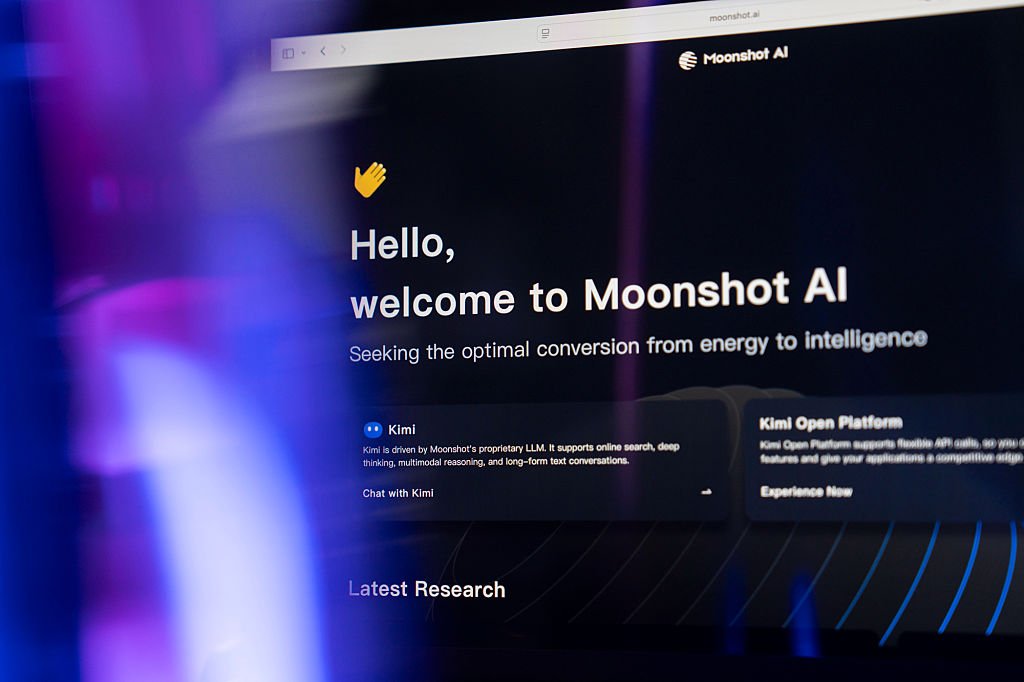
You’re a busy Malaysian SME owner. You’ve probably adopted AI without thinking too much about its origins. But this week’s news from the US-China tech cold war should make you pause. The U.S. Treasury is threatening sanctions against a Chinese AI company called Moonshot for allegedly stealing technology from Anthropic, a leading U.S. AI lab. The technique used? Model distillation. source
This might sound like distant politics, but it directly affects you. If you use AI tools from unknown sources, you could be endorsing or using software built on stolen intellectual property. In some cases, this could expose your business to legal risks or service disruptions. It’s time to take a closer look at the AI you rely on.
TL;DR: The U.S. is cracking down on Chinese AI IP theft claims. For your Malaysian SME, this means auditing your AI tools, choosing reputable vendors, and staying informed about global AI regulations. Being proactive can save you from future legal headaches.
What This Means
Model distillation is a standard AI practice where a smaller model learns from a larger one to become more efficient. It’s often beneficial, but when done without permission, it constitutes IP theft. The White House claims Moonshot performed this on Anthropic’s Fable model at an industrial scale, even using Nvidia GB300 servers banned for Chinese firms. source
Treasury Secretary Scott Bessent has warned: “When firms conduct covert, industrial-scale distillation attacks that cross the line into IP theft, sanctions and Entity List designations will be on the table.” source This signals a hard line that could reshape how AI models are developed and shared globally.
Some experts dispute the idea that Moonshot’s Kimi K3 could have been built solely through distillation from Fable, which was only released July 1. source Regardless, the accusations have sparked a policy debate about restricting Chinese open-weight models in the U.S. source
How This Applies to Malaysian SMEs
Malaysian SMEs are technology adopters. Many use AI for marketing, sales, customer service, and operations. Open-source models are popular due to low cost and flexibility. However, this controversy highlights a vulnerability. If your AI tool is based on a model that infringes IP, you could be implicated in legal disputes.
For example, if you run an e-commerce site with an AI chatbot that uses a distilled model, you might face claims from the original model owner. Similarly, if you use AI for content creation, the outputs might be subject to copyright issues. Beyond legal risks, geopolitical tensions can lead to service discontinuation. If sanctions restrict certain AI models, your access could be cut off.
Moreover, the debate in Washington includes calls to ban Chinese open-weight models. source If this happens, Malaysian SMEs using these models might need to migrate to alternatives, causing disruption and cost. It’s essential to plan for such scenarios.
In practical terms, this means diversifying your AI sources. Explore local Malaysian AI initiatives that comply with international standards. When buying off-the-shelf AI tools, request information about model origins and training data. For in-house developed AI, ensure you have clear documentation of your methods.
Consider this: Malaysia has a growing AI ecosystem. By supporting local developers, you reduce reliance on geopolitically exposed models. Also, the export control issues mention Thailand—showing how regional dynamics can complicate hardware access. source Stay informed about regulations from both the US and ASEAN to ensure your business remains compliant.
Practical Takeaways
- Audit your AI usage: List every AI tool your SME uses. For each, identify the base model and its developer. Check for any public litigation or accusations.
- Demand transparency: Contact vendors and ask about their AI model sources. Prefer companies that publish model cards or documentation.
- Stay updated on regulations: Follow news about AI sanctions and trade policies. Subscribe to updates from relevant government bodies.
- Diversify your AI toolkit: Don’t put all your eggs in one basket. Use models from multiple sources to mitigate risk.
- Engage with local AI communities: Participate in Malaysian AI forums to understand best practices and discover local solutions.
- Document your compliance: Keep records of model selections and vendor communications to demonstrate due diligence.
The Bigger Picture
This incident is a preview of how AI will be regulated in the future. We’re moving toward a world where geopolitical boundaries affect technology access. For Malaysian SMEs, building resilience is key. This includes investing in AI skills, fostering partnerships with ethical providers, and advocating for clear local regulations.
The AI cat-and-mouse game between the US and China is unlikely to end soon. By understanding these dynamics, you can make informed decisions that protect your business and allow you to harness AI’s benefits safely.
“Open source is not open season on American IP,” Treasury secretary Scott Bessent warned, highlighting the seriousness of the allegations. source
Here’s a timeline of events from the article:
| Date | Event | Details |
|---|---|---|
| July 1, 2026 | Anthropic releases Fable model | Public availability of the model alleged to be distilled |
| July 2026 | Moonshot releases Kimi K3 | Open-weight model with advanced capabilities |
| July 22, 2026 | White House accuses Moonshot | Allegations of large-scale distillation and hardware violations |
| July 22, 2026 | Treasury threatens sanctions | Sanctions and Entity List designation considered |
Source: TechCrunch article on the Treasury threat. link
For your SME, the message is clear: be proactive about your AI choices. The landscape is changing, and being prepared is the best strategy.
Ready to Streamline Your Operations?
Your business should run itself. AutoRunBiz deploys AI agents to automate your daily operations — WhatsApp orders, invoicing, customer follow-ups, and accounting. Book a free 15-min ops audit to see where automation fits your business →