
What if you could just… talk? And the AI could talk back, naturally, handling interruptions and understanding your messy context?
That future just got a lot closer. OpenAI released a new set of voice models this week, and it feels like a genuine leap forward for how small businesses might interact with software—especially for busy owners who can’t afford to stop moving.
What Happened: OpenAI’s GPT-Live Models
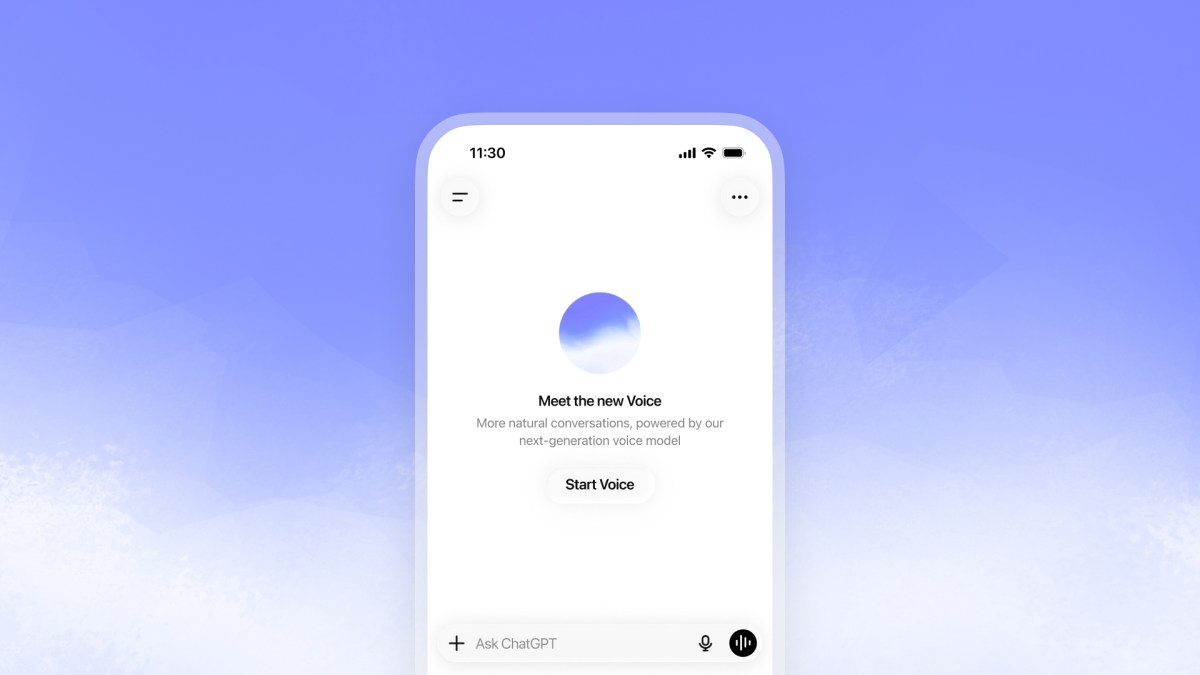
On July 8th, OpenAI announced GPT-Live-1 and GPT-Live-1 mini (source). These are “full-duplex” models. In plain English, that means the AI can listen and speak at the same time. It’s a major upgrade from the previous version, which worked like a walkie-talkie (you speak, it processes, it replies).
Now, you can interrupt the AI mid-sentence. You can hesitate, and it will wait patiently for you. The company claims it solves the old problem where AI would just bulldoze over you while you were thinking. It also brings in the latest reasoning models, meaning the AI can answer complex questions or even show you visual information while staying in the conversation.
One product lead at OpenAI casually mentioned having 30-to-40 minute conversations with the new model while on walks. It sounds less like a tool and more like a real assistant.
Why This Matters for Your Business
You run a business in Malaysia. Your time is your most expensive resource. Here is where this specific shift hits home for an SME owner.
1. A Phone Agent That Actually Works
Many local businesses still rely heavily on the phone. A natural voice agent can handle the first line of customer service. Imagine a system that takes a reservation, answers product questions in perfect BM or English, and never puts a caller on hold. It can route complex issues directly to you. This is a direct upgrade from clunky chatbots that people tend to ignore.
2. Control Your Business Hands-Free
Whether you are a contractor on site, a retailer on the floor, or a restaurant owner in the kitchen, your hands are full. Being able to ask “How many units of Item A do we have?” or “What does my schedule look like today?” and getting a spoken answer without pulling out your phone is a genuine productivity win.
3. The Language Potential (Work In Progress)
The article notes that the demo in Hindi had a heavy accent and sounded bookish. It isn’t perfect yet. But for a Malaysian audience who often mixes Malay, English, and dialects, the direction of this tech is clear. It is learning to handle the messiness of real human speech, not just scripted lines.
The Bigger Picture
“We think voice can be the primary interface to computing, and to manage increasingly complex long-running agentic work.” — Atty Eleti, OpenAI
This quote from the briefing perfectly captures the trend. The mouse and keyboard have ruled for 40 years. Touch screens changed how we browse, but voice might change how we work. If you can simply speak a complex task into existence, it levels the playing field for smaller teams.
Rivals like Apple, Amazon, and startups like Sesame are all pushing in this direction (source). The race is on to make the primary interface an audio one. For your business, it means the software you use should start feeling less like a tool you operate and more like a team member you talk to.
This doesn’t have to be a futuristic vision. AutoRunBiz helps Malaysian SMEs implement practical automation that saves hours every week.
Book a free 15-min call to see how AI voice agents could work for your SME →