
Your Automation is Only as Safe as Your Monitoring System
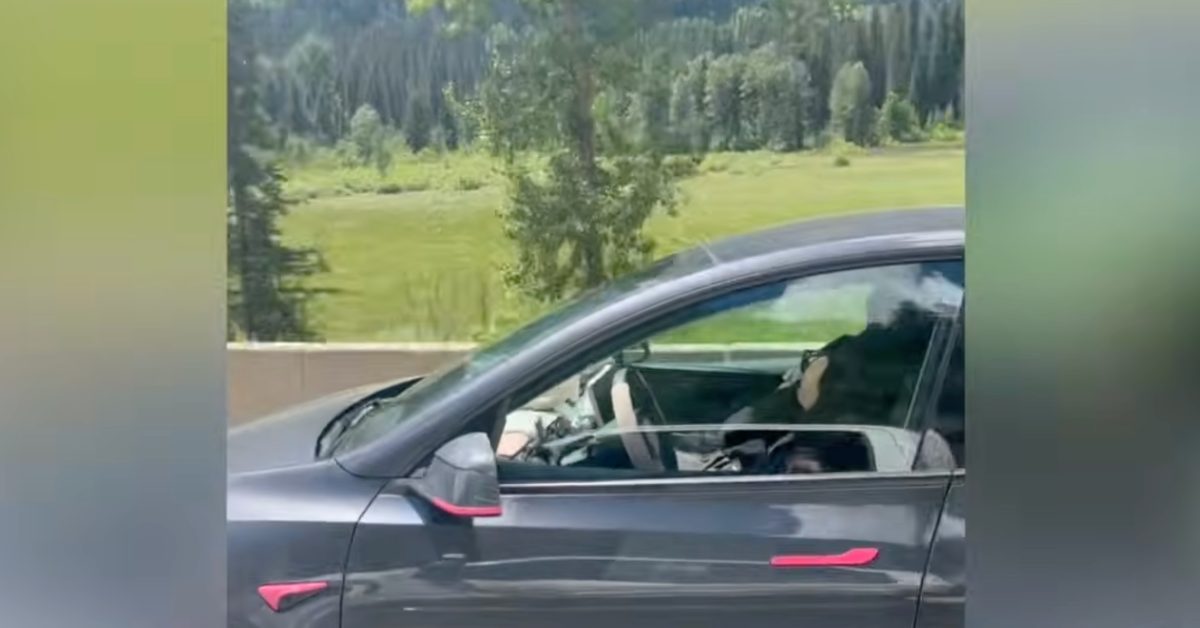
You’ve probably seen the headline. A Tesla driver was filmed fast asleep behind the wheel while their car cruised down a highway in British Columbia at 100 km/h. Two kids in the back. The video is terrifying. But here’s the detail that should genuinely make you pause if you run a business: the car’s driver monitoring system didn’t catch it because the driver was wearing large sunglasses.
If you are a Malaysian SME owner who relies on software to handle your daily operations, this story is a direct mirror of the risk you are managing right now. The system worked too well… until the one moment it couldn’t work at all.
What Happened on Highway 1
The story broke over the weekend. A witness spotted the Tesla on the Trans-Canada Highway with the driver completely slumped over, apparently unconscious. The car maintained speed perfectly. According to the report, the RCMP was called and the driver was tracked down. Legally, this is a grey area—Tesla’s Full Self-Driving is only a Level 2 system, meaning the driver is legally responsible for the vehicle at all times, regardless of how well the software performs.
The real shocker is why the software didn’t stop the car. Tesla’s monitoring relies on a cabin camera to track your eyes. If it can’t see your eyes (e.g., you are wearing large sunglasses), the system falls back to an older, weaker check—a “steering wheel nag” that just looks for physical torque on the wheel. If the driver’s body slumps against the wheel, it provides just enough force to satisfy the system.
“If a cheap plastic doll head can fool the system on purpose, a pair of sunglasses defeating it by accident is entirely consistent.”
This isn’t theoretical. Electrek previously reported on Chinese Tesla owners using simple plastic doll heads to trick the cabin camera. The monitoring system was built to keep honest drivers honest, not to stop a dangerously drowsy person from checking out.
Why This Matters for Your Business
Let’s move this from the highway to your office—whether that’s a shop lot in PJ, a factory in Johor, or your warung in Penang.
You invested in automation to save time. Maybe it’s a chatbot handling customer service, or software automatically generating your financial reports. These tools are your “Full Self-Driving” for business operations. They work incredibly well… until they don’t.
The “sunglasses” in your business are the gaps that defeat your monitoring. This could be:
- Bad Data: Your automated CRM imports leads perfectly, but the source data has errors. The system runs smoothly, but it’s running on garbage.
- Edge Cases: Your marketing AI writes brilliant subject lines for 90% of your list, but when a customer uses a very specific local context, it responds in a way that hurts your brand.
- Blind Spots: You rely on a single dashboard that doesn’t report certain types of failures. Just like the camera can’t see behind sunglasses, your dashboard might not see the problems brewing.
The temptation to “set it and forget it” is the biggest risk here. Just because a software tool works well 99% of the time, the 1% of failure is often the one that causes the biggest headache. The news from Canada suggests that the most dangerous moment is when you start trusting the system too much.
The Bigger Picture
This isn’t an anti-AI post. It’s a pro-supervision post. The trend we are seeing is that as software gets more capable, the human role shifts from operator to supervisor.
Tesla is in a weird spot. They have marketing that pushes the idea of autonomy (“time saved”, “working in the car”) while legally maintaining it is just a driver assist. As a business owner, you must avoid this same contradiction. If you buy a tool that feels like a full auto-pilot, you have to train yourself and your team to supervise it actively.
The long-term winner in business won’t be the company that uses the fanciest AI. It will be the company that builds better “driver monitoring” for their own processes. It isn’t enough to have an automated workflow. You need a system that checks the work of the system—something that flags when the outputs start looking weird, or when a process stalls out.
It feels like we are in the “sunglasses phase” of business automation. The tools are powerful, but the safety checks are still easy to fool. Your job isn’t to avoid automation. Your job is to stay awake at the wheel while it does the heavy lifting.
Your Next Step
Are your business systems running on autopilot, and are you sure the “camera” is working? We help SMEs build workflows that aren’t just automated, but actually audited and monitored.
Book a free 15-min call to see how AI tool governance and monitoring applies to your business →