
Tesla Just Showed Us Why Your SME Needs Identity Verification (And You Probably Didn’t Realise It)
You might have brushed off the Tesla news this week. It feels like just another tech story about a fancy car feature for early adopters in the US.
But wait. Tesla is building a system where the car says, “” They are turning identity into a key. And if a car company is doing this to control access to a feature, your business should be paying close attention. This is a loud signal that identity verification is becoming a standard layer for security, even for everyday tools.
If a car company is building identity checks into its hardware, it is a clear signal that this kind of verification is becoming a standard expectation for access control.
What Happened
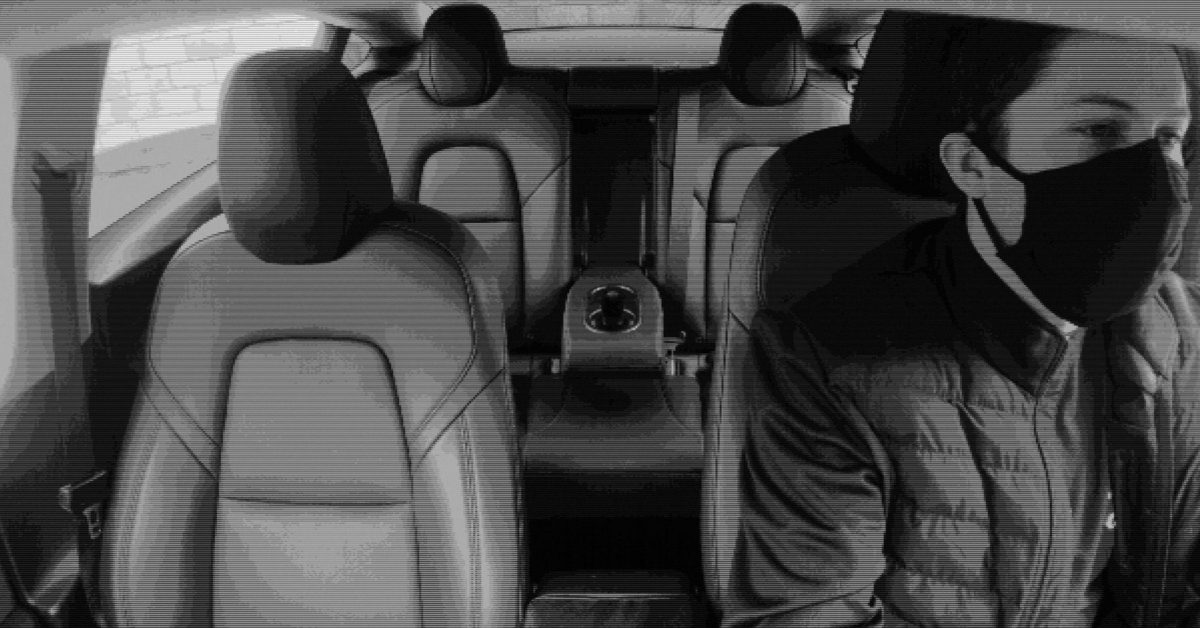
Code buried deep inside the latest Tesla app update points to a new feature. It uses the small camera above the rearview mirror to check who is in the driver’s seat. If the face doesn’t match an “authorised profile”, Full Self-Driving won’t turn on. You would get a failure message sent to your phone instead.
This isn’t a live feature yet. It’s just strings of code found in version 4.58.5 of the app. Still, Tesla didn’t upload this by accident. They have been building up to this for years. Driver monitoring in the cabin started back in 2021 to check if you were looking at the road. Now they want to check who you actually are.
Why the shift in focus? Tesla sells FSD as a subscription now. If you want to rent your car out, or let a teenager borrow it, they can’t just turn on your paid feature without permission. Tesla wants a “permission gate” for the world’s most advanced driver-assistance system. It is about tying an expensive digital service to a specific person.
Why This Matters for Your Business
Okay, you probably don’t run a Malaysian robotaxi fleet (yet). But look at the logic Tesla is using:
- They wanted to tie a paid digital feature to a specific person.
- They didn’t want to trust a password or a key fob. They wanted to use biometrics to verify the user physically.
- They are using identity as a security checkpoint.
Let’s bring this back to your SME. How do you currently know who is actually using your systems?
Scenario 1: Your Company Vehicles
If you have a delivery van or a company car, who is driving it? A shared logbook or a common fleet app login doesn’t tell you the truth. An identity check—like a driver verification step before the engine starts or before accessing the vehicle’s data—prevents misuse and gives you clear accountability.
Scenario 2: Sensitive Data Access
Who logged into your client database, your accounts software, or your CRM last night? “Shared passwords” are the enemy of security for SMEs. Tesla is saying, “We don’t trust a shared password. We trust a face.” For your business, verifying the user before they access sensitive data is the same logic applied to your most valuable asset: your customer information.
Scenario 3: Customer Identity
Are you verifying the identity of your customers before providing a high-value service or processing a request? If you are a service-based SME, knowing exactly who you are dealing with prevents fraud and chargebacks. Automating an identity check for customer onboarding or service delivery protects both your business and your legitimate customers.
Tesla’s hardware has limits. The owner’s manual admits the camera struggles in poor light or if the driver wears sunglasses. It is not a perfect system. But the intent is what matters for you. They are building a system where the software doesn’t run unless the identity is confirmed. Your business can use this same thinking. You don’t need to wait for self-driving cars. You need identity-aware systems right now to protect your data and assets.
The Bigger Picture
We are moving into a world where software asks “who” before it asks “what”.
Ten years ago, a password was enough. Now, the trend is demanding physical identity. Apple does it with Face ID. Google does it with passkeys. Tesla is doing it with cabin cameras. The idea is the same: software must be sure of the person before it grants power.
For the long term, this means SMEs cannot rely on simple logins anymore. The standard is shifting. If you aren’t thinking about how to verify identity automatically—for your employees or your customers—you are opening the door to risk.
Automation isn’t just about saving time. It is about getting the right access to the right person. Tesla is doing this to protect a specific feature. You should probably be doing it to protect your entire business model.
Book a free 15-min call to see how identity verification can protect your SME business →